Commercial Landscape Care
Trees and shrubs around entrances, signs, parking areas, courtyards, and common spaces need more than occasional attention after something goes wrong. Insects, disease, poor soil, root stress, and Atlanta weather can gradually weaken valuable landscape plants.
Simply Green provides commercial plant health care in Atlanta through seven seasonal visits. The program includes plant inspections, targeted pest and disease care, root-zone fertilization, biostimulants, and horticultural oil. Service is planned around the plants, property layout, and the site’s daily use.
Care Beyond Commercial Turf
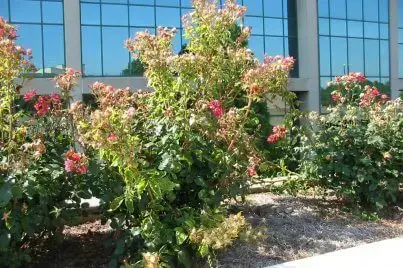
Landscape plants frame entrances, soften parking areas, screen equipment, define walkways, and support the overall appearance of a commercial site. When leaves turn yellow, branches thin out, or shrubs develop visible damage, the problem is often first noticed in the areas that customers, residents, and tenants use most.
Simply Green follows suitable ornamental trees and shrubs through Atlanta’s changing seasons. Seven visits allow us to look for new insect activity, disease symptoms, stunted growth, and weather-related stress before an issue becomes widespread. Treatments are directed to plants that need them, rather than applying the same material to every bed.
Our Six-Step Plant Plan
The first step is to assess the trees and shrubs within the service area. We note plant types, current condition, visible damage, and the location of each group on the property.
Plants near entrances, signs, sidewalks, parking lots, loading areas, courtyards, and building foundations face different conditions. That layout matters when planning access and deciding where closer monitoring is needed.
Yellow leaves or weak growth do not automatically mean disease. Poor drainage, compacted soil, root damage, reflected heat, deep shade, irrigation trouble, and recent landscape work can create similar changes.
The leaves, stems, branches, and root zone are checked for useful signs. Finding the likely cause helps avoid applying an insect or disease treatment to a plant suffering from a watering or site issue.
Commercial service must fit around employees, residents, tenants, customers, and other vendors. We confirm gates, restricted areas, loading schedules, outdoor seating, busy entrances, and any notice requirements with the property contact.
Changes such as construction, pressure washing, pruning, new plant installation, or irrigation repair should also be shared before service. Those activities can affect both plant condition and access.
Each visit has a purpose based on the time of year. The work may include a plant inspection, targeted insect or disease care, root-zone fertilization, biostimulants, or horticultural oil.
Not every plant receives every material during every visit. Applications follow the plant, current activity, and seasonal need.
The property contact receives information about visible plant concerns and any practical action needed from another vendor. This may include correcting irrigation, removing damaged material, adjusting pruning, improving drainage, or watching a specific group of plants.
Clear findings help the property manager decide what needs immediate attention and what can be monitored through the next visit.
Plant conditions can shift quickly during Atlanta’s growing season. Scale, mites, aphids, leaf-feeding insects, and disease symptoms may become active at different times. Heat and irregular rainfall can also change how plants respond between visits.
Returning through the year gives Simply Green a chance to compare current conditions with earlier visits and adjust care where needed.
Seven Visits Through the Year
Simply Green’s commercial plant health care program includes seven visits scheduled around common Atlanta plant needs. The timing follows seasonal conditions rather than dividing the year into identical appointments.
Timing and plant suitability matter. The application is made when current conditions allow it and only to plants that can receive the treatment.
Fertilizer is applied around the root zone of suitable trees and shrubs before spring growth begins. Root-zone application places nutrients in the soil where plant roots can use them.
This service supports plant growth, but fertilizer will not repair damaged roots, poor drainage, or an unsuitable planting location. Those conditions are noted separately.
As temperatures rise and new growth begins, plants are checked for developing insect and disease concerns. Preventive care is used where plant type, history, and seasonal risk support it.
Early attention is useful because some problems are easier to manage before insects spread or symptoms become severe.
Three Integrated Pest Management visits take place during the busiest part of the growing season. Integrated Pest Management, or IPM, simply means checking the plants first and choosing care based on what is found.
Leaves, stems, branches, and visible root areas are reviewed for pests, disease, and stress. Treatment is directed to affected or at-risk plants rather than automatically spraying every ornamental on the property.
Biostimulants are applied to suitable plants as Atlanta moves out of peak summer heat. These materials support natural plant processes and help plants manage seasonal stress.
Biostimulants are not fertilizer replacements or cures for damaged plants. They are one part of the broader program.
Horticultural oil is applied during the dormant period to suitable plants. The oil coats certain overwintering insects, mites, and eggs that remain on plant surfaces.
Timing and plant suitability matter. The application is made when current conditions allow it and only to plants that can receive the treatment.
Find the Actual Cause
Commercial trees and shrubs often exhibit similar symptoms even when the causes differ. A correct response begins with more than the color of the leaves.
Aphids, scale insects, mites, and leaf-feeding pests can affect ornamental plants around Atlanta properties. Signs may include sticky residue, distorted leaves, speckling, webbing, chewed edges, or visible insects beneath leaves and along stems.
Some beneficial insects also live in commercial landscapes. Integrated Pest Management helps distinguish a damaging pest from an insect that does not require treatment.
Leaf spots, early leaf drop, discoloration, and branch dieback can point to disease, but the plant and site conditions need to be considered. Humidity, poor air movement, crowded planting, and leaves that stay wet for long periods can increase disease pressure.
Treatment choice depends on the plant and the likely disease. Removing one damaged leaf does not always address the larger issue, while treating an irrigation problem as a disease wastes time.
Roots near parking lots, walkways, utilities, and building foundations often have limited growing space. Compacted soil, construction disturbance, poor drainage, and repeated foot traffic can reduce root function.
A stressed root system can produce thin growth, smaller leaves, weak color, or branch loss. Those symptoms may continue even when no insect is present.
Plants beside pavement, brick, glass, or south-facing walls receive extra heat. Another part of the same property may stay shaded and wet. One irrigation schedule may not suit both areas.
Atlanta can also move quickly between heavy rain and hot, dry weather. Regular visits help show whether a plant problem is tied to pests, moisture, or both.
The University of Georgia Cooperative Extension provides information on insects and diseases affecting landscape plants throughout Georgia.
Protect Key Property Areas
Every landscape area contributes differently to a commercial property. The program can cover suitable ornamental trees and shrubs across these sections. Turf, annual flowers, pruning, and irrigation repair are separate from plant health care.
Trees and shrubs around the main approach receive close attention from customers, residents, and visitors.
Overgrown, thinning, or discolored shrubs can block signs or make the entrance look poorly maintained.
Limited soil, reflected heat, vehicle exposure, and inconsistent irrigation create difficult growing conditions.
Plants may face deep shade, roof runoff, restricted airflow, or heat reflected from walls.
These spaces are used regularly and often contain higher-value ornamental plants.
Plant condition matters where people spend time close to the landscape.
Shrubs used to hide equipment, dumpsters, utilities, or property boundaries need enough density to continue doing that job.
Easier Property Oversight
A property manager should not have to diagnose leaf damage or decide which product belongs on a shrub. The useful information is simpler: what changed, what is likely causing it, what Simply Green addressed, and whether another property vendor needs to act.
Our service keeps that communication with the assigned property contact. Notes about irrigation, drainage, pruning, or physical damage can then be directed to the appropriate team.
This is especially useful at properties where several vendors share responsibility. A maintenance crew may handle pruning, another company may manage irrigation, and Simply Green handles plant health care. Clear responsibilities reduce duplicated work and prevent important site problems from being passed back and forth.
Seasonal Landscape Care
Commercial trees and shrubs are affected by insects, disease, roots, soil, irrigation, pruning, and daily site activity. Simply Green considers those conditions together before deciding what each plant needs.
Simply Green’s plant health care specialists are certified by the Georgia Department of Agriculture and maintain Category 24 applicator licenses. The program gives property managers regular oversight without asking onsite staff to diagnose every leaf or branch problem.
More Grounds Support
Plant health care supports ornamental trees and shrubs. Services are selected for the part of the property they are intended to support. Plant health care does not replace mowing, pruning, irrigation repair, or general landscape maintenance.
Commercial weed control and fertilization provides nine scheduled applications for Bermuda, Zoysia, or fescue turf.
Commercial mosquito control treats likely breeding and resting areas every three weeks.
Commercial liquid aeration supports water and air movement through compacted lawn soil.
Commercial fire ant control addresses colonies in suitable lawn and landscape areas.
Commercial armyworm and grub control treats insects damaging turf blades or roots.
Commercial Hydretain Water Saver helps manage available moisture around turf and landscape roots.
Commercial Plant Care FAQs
Waiting until entrance shrubs are bare or a prominent tree is in serious decline leaves fewer practical options. Simply Green’s seven-visit program follows commercial trees and shrubs through the seasons, responds to pest and disease activity, and keeps the property contact informed about concerns that need attention.
Tell us which parts of the landscape matter most, what problems have been reported, and how service access should be handled. We will review the property and recommend a plant health care program for its ornamental trees and shrubs.