Commercial Mosquito Care
Mosquitoes around entrances, patios, pools, common areas, and employee spaces can quickly become a property management issue. One wet drain, shaded planting bed, or container holding rainwater may be enough to support ongoing activity.
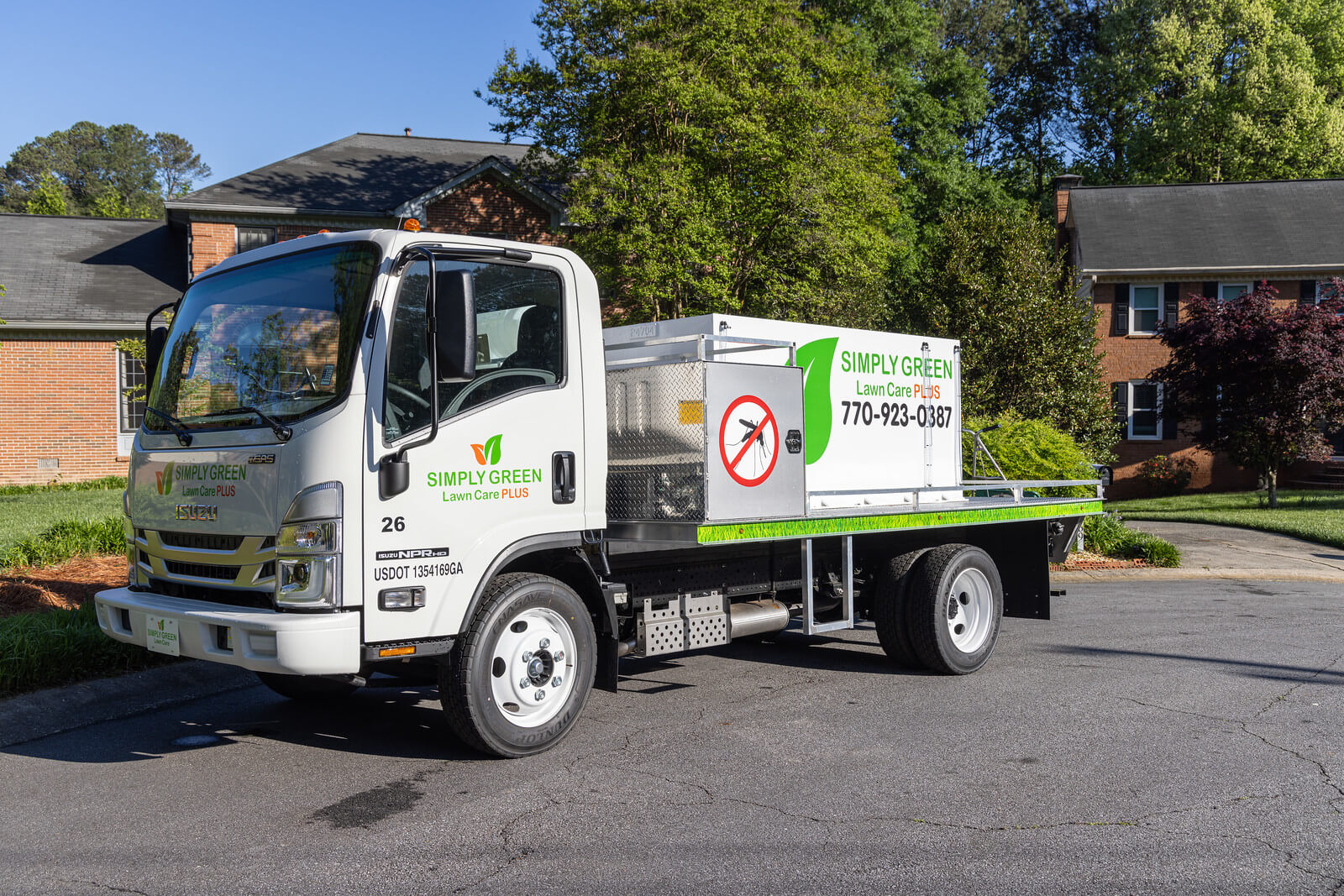
Simply Green provides commercial mosquito control in Atlanta with targeted applications every three weeks. We inspect the property, identify standing water and likely resting areas, and treat the sections where mosquitoes are most likely to be found. Commercial service is coordinated with the property contact to account for access, shared spaces, tenant activity, and daily business operations.
Fewer Mosquito Complaints
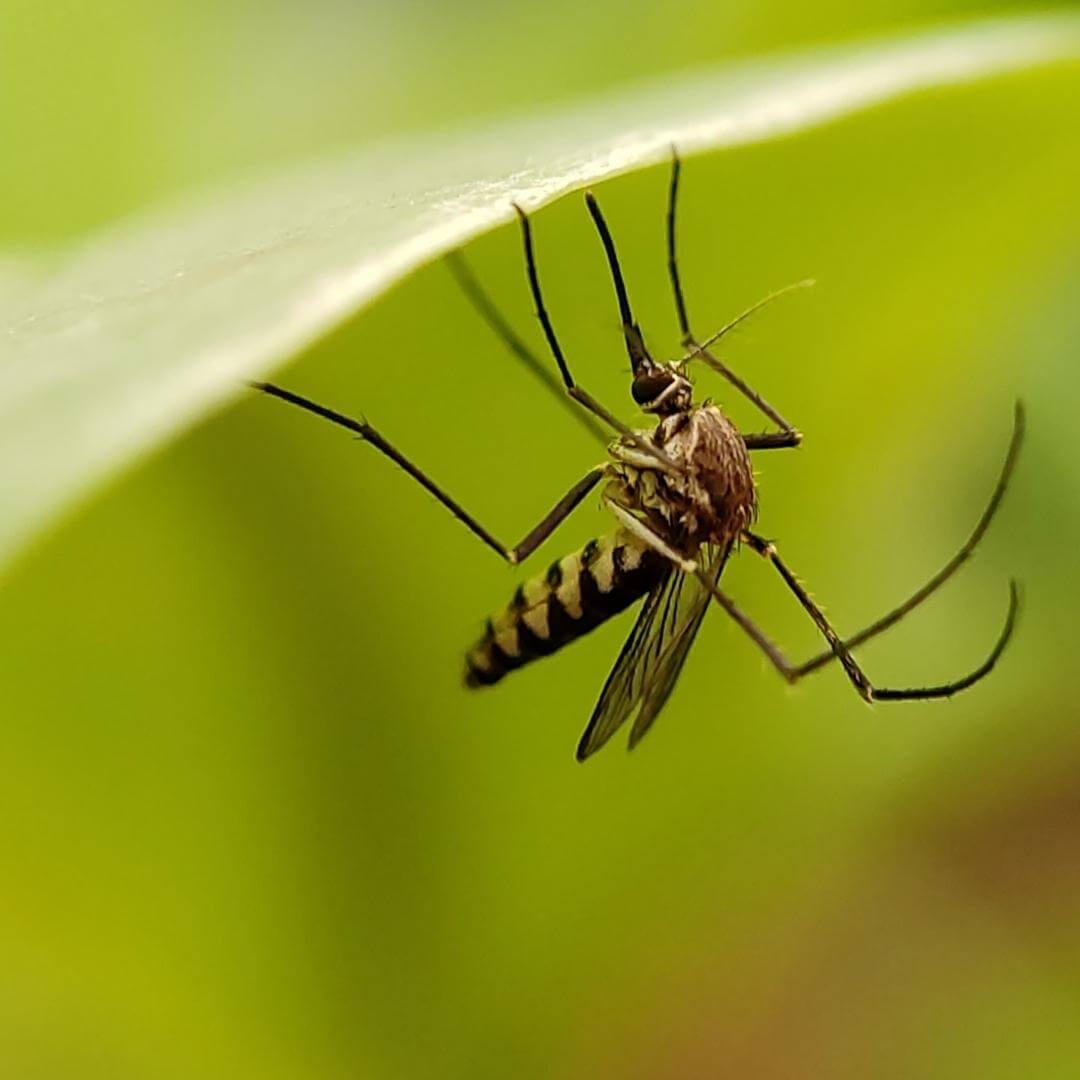
Customers, residents, guests, and employees do not need to understand where mosquitoes came from. They only know when outdoor areas are uncomfortable to use. Complaints may begin around a restaurant patio, apartment pool, office entrance, shaded courtyard, or employee break area. After rain, activity can increase near clogged drains, planters, low ground, and other places that hold water.
Simply Green looks for conditions that support mosquitoes across the property. Treatment is directed toward likely resting and breeding areas rather than applied only to open turf. Regular visits every three weeks help maintain coverage through Atlanta’s warm, humid mosquito season.
Our Six-Step Site Plan
The first visit begins with the areas that matter most to the people who use the property. These may include entrances, outdoor seating, leasing offices, pool surroundings, walkways, playgrounds, loading areas, and employee spaces.
We also confirm gates, restricted sections, operating hours, and any areas that require advance notice. Knowing when and how the site is used helps us plan service with fewer interruptions.
Mosquitoes need water during their early life stages. We check for standing water in planters, buckets, drains, gutters, tarps, decorative features, landscape equipment, and low sections of the grounds.
Some sources can be emptied or corrected by the property team. Others, such as drains or permanent water features, may require ongoing attention. The inspection separates removable water from areas that need treatment or maintenance.
Adult mosquitoes often rest in cool, protected vegetation during the day. Dense shrubs, groundcover, leafy plants, and shaded building edges are more useful treatment targets than short grass in full sun.
We review landscaped areas around entrances, patios, walkways, pool surroundings, courtyards, and gathering spaces. This keeps the application focused on places where adult mosquitoes are more likely to remain between feeding periods.
Treatment is applied to suitable foliage, shaded resting sites, property edges, and other identified areas. Standing water that cannot be removed may receive a product intended for mosquito larvae when appropriate.
The entire property is not sprayed without a reason. Open pavement, occupied spaces, and exposed lawn areas where mosquitoes are unlikely to rest are handled differently from dense vegetation and protected zones.
The property contact receives instructions for reopening treated areas. Employees, residents, guests, customers, and pets should remain away until the application has dried and the stated re-entry period has passed.
For a business with outdoor dining, an apartment community with a pool, or an office with shared grounds, those instructions may need to be passed to several groups. Advance coordination makes that easier.
Simply Green applies scheduled mosquito treatments every three weeks during the service period. Regular service matters because rainfall, heat, plant growth, and mosquitoes arriving from nearby properties continue to change conditions.
If noticeable activity returns within 14 days of a visit, contact us. We will reassess the property and determine whether re-treatment is appropriate.
Target the Right Areas
Mosquito activity is rarely distributed evenly across an entire site. Certain areas provide more shade, moisture, shelter, or access to people.
Foundation plants and covered entrances often stay cooler than open parking areas. These spaces also have regular foot traffic, making mosquito activity more noticeable.
Restaurants, offices, hotels, and shared commercial properties may rely on outdoor seating. Nearby planters, dense landscaping, drains, and water-holding furniture can support mosquito breeding near customers and employees.
Pools, playgrounds, dog areas, grilling stations, clubhouses, and shaded paths are used frequently. Treatment planning must account for both mosquito pressure and the schedule of residents using these spaces.
Storm drains, catch basins, clogged gutters, and depressions in the landscape may hold water after Atlanta rain. Water does not need to remain for months to become relevant. A recurring source deserves regular attention.
Buckets, tarps, tires, equipment, and open containers behind a building can collect water unnoticed from the front of the property. These sections should be included in the site review when accessible.
Shrubs, ivy, groundcover, and shaded foliage give adult mosquitoes protected places to rest. Treating the undersides of suitable leaves helps reach mosquitoes where they spend time during the day.
Atlanta’s Long Warm Season
Atlanta’s combination of heat, humidity, summer storms, and planted commercial grounds supports a long mosquito season. Activity often begins in spring and continues into fall, with the busiest periods occurring during warmer weather.
Rain can create new breeding sites throughout a commercial property. A dry planter tray may hold water after one storm. Debris may block a drain that worked properly the previous week. Irrigation can also leave water in low areas even when there has been little rain.
Plant growth changes the property too. Shrubs become denser, ground cover spreads, and shaded areas retain moisture longer. A one-time application does not account for those ongoing changes. A three-week service keeps the treatment plan aligned with current site conditions.
The Centers for Disease Control and Prevention explains that mosquitoes lay eggs in or near water and that some species remain near where they hatch. Removing water sources and treating likely activity areas work together as part of practical mosquito management.
Clear Expectations on Site
Commercial mosquito control is intended to reduce activity in treated outdoor areas. It cannot create a sealed boundary around the property or stop every mosquito from entering.
Mosquitoes can travel from neighboring businesses, unmanaged land, stormwater areas, and nearby homes. New standing water can also appear between visits. For those reasons, scheduled treatment and property maintenance both matter.
The service can:
Results are strongest when drains work properly, containers are emptied, gutters remain clear, and property teams report new trouble spots. Treatment handles mosquito activity. Site maintenance removes the conditions that keep inviting it back.
Fit Service Around Business
No two commercial properties use their outdoor areas in the same way. The service plan should reflect who uses the site and when.
Service timing, access, and priority areas are discussed with the property contact. This keeps the work tied to actual operations rather than using a residential yard plan on a commercial site.
Pools, dog areas, playgrounds, courtyards, and walking paths need attention without disrupting resident schedules.
Patios, entrances, event spaces, valet areas, and landscaping close to guests are common priorities.
Employee seating, shaded entrances, courtyards, parking routes, and break areas may need coverage.
Treatment planning must account for customer traffic, storefront access, shared landscaping, and delivery schedules.
Loading areas, retention zones, fenced sections, drains, and equipment storage can create less obvious water sources.
Play areas, entrances, shaded gathering spaces, and re-entry communication require careful coordination.
Direct Site Communication
Commercial pest service works better when one property contact receives the schedule, instructions, and follow-up information. Simply Green coordinates through that contact so site details do not get lost between staff, tenants, residents, and outside vendors.
Let us know about outdoor events, construction, locked sections, irrigation repairs, or changes to landscaping. A blocked courtyard or newly installed planting bed can affect where treatment is needed.
If mosquitoes return within 14 days, the property contact can request a reassessment. We will review the affected area, look for new water or access issues, and decide whether re-treatment is appropriate. That follow-up keeps one complaint from becoming a recurring property problem.
More Grounds Support
Mosquitoes may not be the only outdoor concern affecting customers, residents, or employees. Simply Green also provides.
Each service addresses a separate need. Site findings determine which options are relevant to the property.
Commercial weed control and fertilization for Bermuda, Zoysia, and fescue turf.
Commercial fire ant control for colonies in suitable lawn and landscape areas.
Commercial flea and tick control for outdoor sections where these pests are more likely to travel or rest.
Commercial plant health care for suitable ornamental trees and shrubs.
Commercial liquid aeration to support water movement through compacted turf soil.
Commercial armyworm and grub control when insects are damaging grass blades or roots.
Control Across the Site
Mosquito activity around a commercial property is rarely limited to one patio or entrance. Water, shade, plant growth, drains, and neighboring land can affect several areas at once. Simply Green looks across the site before treatment begins.
Simply Green gives property managers a consistent mosquito-control schedule and one route for follow-up. The service reduces activity across treated outdoor areas without making an unrealistic mosquito-free promise.
Commercial Service FAQs
Repeated mosquito complaints call for a consistent plan, not another short-term response focused on a single entrance or patio. Simply Green checks the entire property, treats the areas mosquitoes use, returns every 3 weeks, and gives your property team a direct path for follow-up.
Tell us which outdoor areas matter most, when they are busiest, and where mosquito activity has been reported. We will build the service around your property’s layout and operating needs.