Commercial Turf Defense
A section of commercial turf can lose color, thin out, or turn brown before the cause is obvious. Armyworms feed on grass blades and can quickly damage large areas. Grubs stay below the soil and weaken the roots, making the problem easier to miss at first.
Simply Green provides commercial armyworm and grub control in Atlanta. We offer a once-yearly preventive spring treatment and targeted service when active insects are found. The property is checked first so the response fits the pest, turf damage, and way the grounds are used.
Find Turf Damage Early
Brown grass near an entrance, common lawn, monument sign, or parking area can create an immediate concern about appearance. In an apartment community or HOA, the same damage may also prompt resident questions. Since heat, irrigation trouble, disease, compaction, and mowing damage can look similar, adding a lawn treatment before checking the cause may not solve the problem.
Simply Green looks at the damaged grass, roots, soil, and surrounding turf before recommending service. If armyworms or grubs are found, we determine whether the property needs active treatment or whether an annual preventive application is the better fit for future protection.
Our Six-Step Turf Plan
We start with the sections that changed first. The size, shape, location, and speed of the damage help show what may be happening.
Armyworm feeding usually affects the visible grass blades. Grub damage starts around the roots, so the turf may look dry or weak even when the soil has moisture. Knowing how the problem developed gives the inspection a clear starting point.
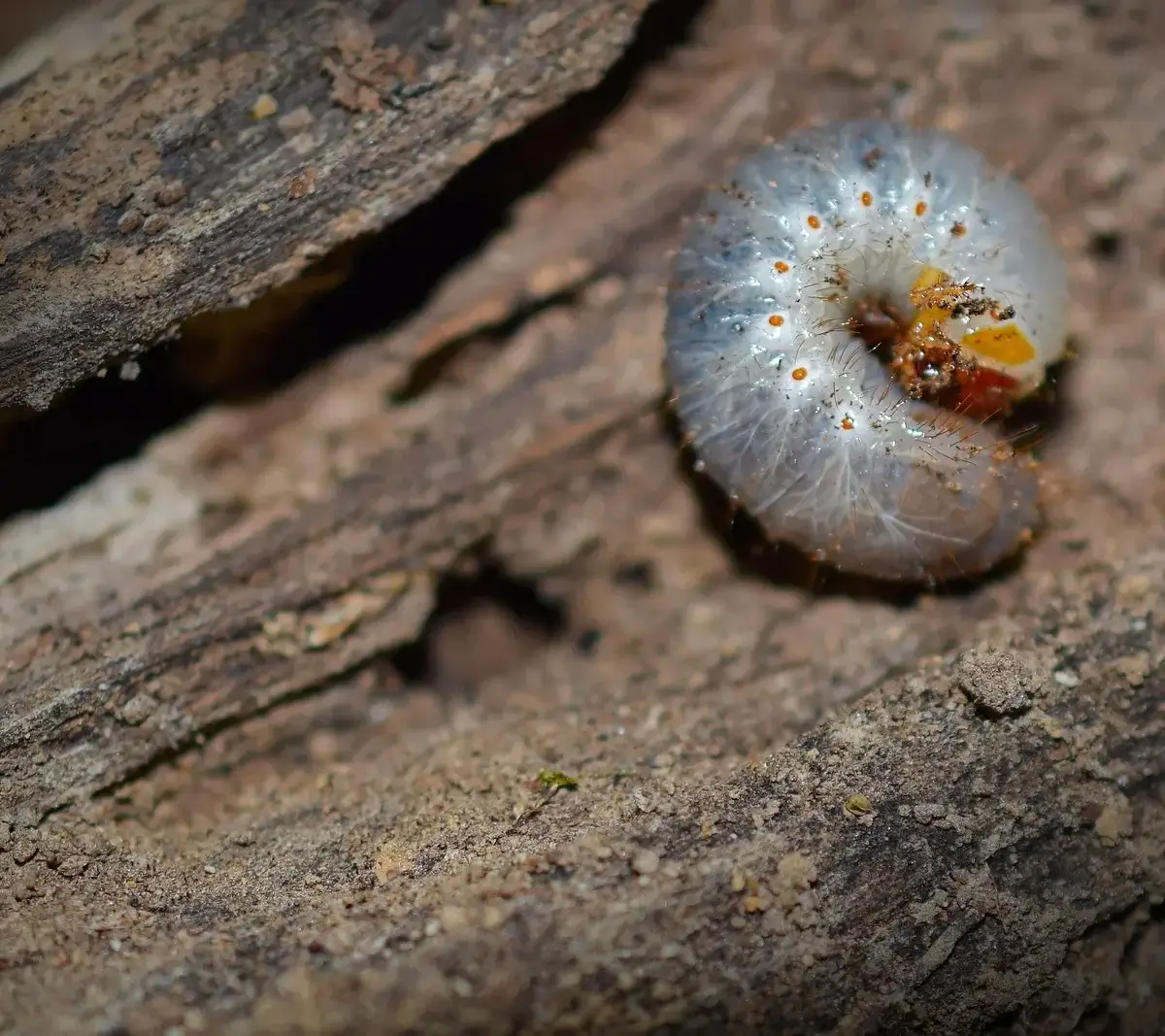
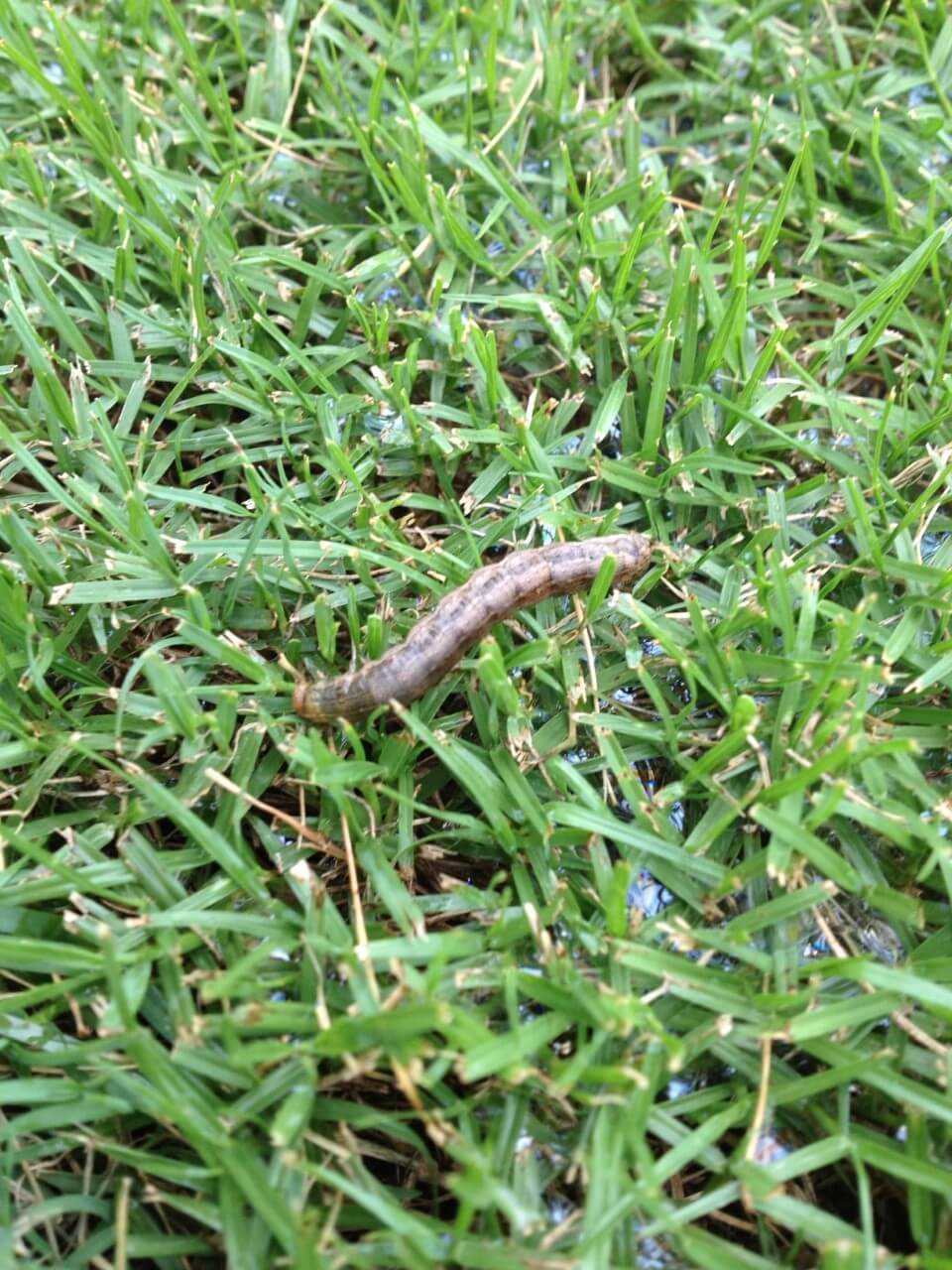
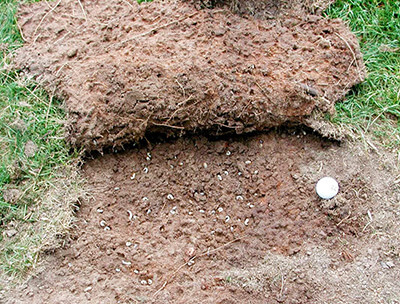
Grass blades, thatch, roots, and the upper soil are checked for insects and feeding damage. Armyworms are caterpillars that may be visible in or around thinning turf. Grubs are pale, C-shaped larvae found beneath the surface.
Loose or spongy grass can point to root loss. In heavier cases, sections may lift from the soil because the roots have been eaten. Birds, armadillos, or other animals repeatedly disturbing one area can provide another clue, although wildlife activity alone does not confirm the presence of grubs.
property without active insects may be suitable for the once-yearly spring preventive service. This option is useful for commercial grounds with a history of armyworms, grubs, or repeated turf damage.
When insects are already feeding, targeted treatment is needed. We explain what was found, which sections are affected, and what the property team should expect after service.
The property contact confirms gates, restricted sections, tenant areas, outdoor events, irrigation schedules, and landscaping work before the visit.
Vehicles, construction materials, event equipment, temporary fencing, and active mowing crews can block coverage. Clear access helps us reach the damaged turf and surrounding areas without having to return to a missed section.
Treatment is applied to suitable turf based on the pest and extent of activity. Armyworm service reaches grass where the caterpillars are feeding. Grub treatment needs to reach the soil around the roots.
Only treating the first brown patch may leave nearby activity untouched. Coverage follows the inspection findings, including grass with active insects that has not yet lost color.
Controlling the insects stops further feeding, but damaged grass does not recover immediately. The amount of healthy turf and intact roots determines what comes next.
We may recommend fertilization or another lawn service after insect activity is under control. New chewing, spreading discoloration, loose turf, or continued animal activity should be reported so the area can be reassessed.
Two Different Turf Pests
Armyworms and grubs can both leave turf brown, but they feed on different parts of the grass. That difference affects how the problem appears across the property.
Armyworms are caterpillars that chew grass blades. They can move through commercial turf in large numbers and leave sections looking closely cut, ragged, thin, or brown.
Damage may spread much faster than ordinary heat stress. Newly installed sod and actively growing grass can face added pressure because adult moths are attracted to fresh growth. The University of Georgia Cooperative Extension notes that new sod can be vulnerable for 30 to 60 days after installation.
Commercial sites with new landscaping should keep a close watch on fresh sod around entrances, signs, common areas, and renovated grounds. Waiting for the next regular lawn visit may allow the feeding to spread.
White grubs are the early stage of several beetles found in Georgia. They stay below the soil and feed around the root zone.
Grass may fade even when it has received water because damaged roots cannot support the turf properly. The surface may feel spongy, and heavily affected grass can lift more easily than healthy sections.
The University of Georgia Cooperative Extension identifies yellowing, browning, and drought-like symptoms as common signs. Those symptoms still need to be checked because irrigation trouble and disease can create a similar appearance.

Signs Worth Reporting
Property teams do not need to identify the insect before reporting a concern. A clear location and description of the change are more useful than guessing.
A photo and exact location help Simply Green review the area quickly. Use a building number, entrance, sign, parking row, or other fixed landmark when reporting the damage.
or closely clipped can indicate armyworms feeding on the blades.
Fast-moving damage during warm weather deserves prompt attention.
Visible armyworms are often found close to the edge of current feeding.
Root loss caused by grubs can change how the lawn feels underfoot.
Weak attachment may indicate that insects have damaged the roots.
Birds may be feeding on caterpillars or grubs, although their presence does not prove an infestation.
Wildlife may damage the surface while searching for grubs.
Protect Turf Before Damage
Simply Green’s preventive armyworm and grub treatment is applied once per year in spring. It provides seasonal protection before a large insect population begins feeding.
Prevention can be useful for properties with extensive turf, newly installed sod, a history of repeated insect issues, or high-visibility lawns that would be costly or disruptive to repair. It also gives the property manager one planned service instead of waiting for visible damage to appear.
Preventive care lowers risk, but the lawn should still be monitored. Armyworm moths can enter the property from outside, and several conditions can damage commercial grass. Any rapid change should be reported while the affected area remains limited.
The service does not replace routine weed control, fertilization, irrigation, or mowing. Each part of the lawn program has a separate role.
Respond to Active Damage
Armyworms can remove a noticeable amount of grass in a short time. Once active caterpillars are confirmed, Simply Green treats the affected and surrounding turf. The service controls the current population and provides 14 days of control. Later activity or another generation may require re-treatment.
Grub treatment reaches larvae feeding around the roots. It controls the current population and provides up to 28 days of control against new grub activity. If grubs return after that period, an additional application may be needed.
These control periods refer to insect activity, not complete turf recovery. Bermuda and Zoysia may begin filling suitable areas as they actively grow. Fescue does not spread in the same way and may need seeding during the correct season if too much grass has been lost.
A badly damaged section should be given time before the next decision is made. Fertilizer can support rthe emaining turf, but it cannot rimmediately eplace roots or blades.
Plan Around Property Use
Some parts of a commercial property need a faster response because they are seen or used every day.
The inspection covers both the reported section and nearby turf. This helps identify activity that has not yet produced obvious brown grass.
Damage in these areas affects the property’s first impression. Heat reflected off the pavement can also make it harder to distinguish insects from ordinary summer stress.
Common areas, pet routes, mail stations, playground surroundings, and open lawns may receive regular resident traffic. Turf damage can lead to repeated questions for the onsite team.
Grass near walkways, employee spaces, and building entrances needs to remain accessible. Treatment and re-entry instructions should be coordinated with the property contact.
Turf around signs, patios, event lawns, and parking areas is highly visible to customers and guests. Fast armyworm damage in these sections can stand out quickly.
Large sites may include street-facing lawns, fenced turf, drainage zones, and grass around loading routes. Accurate service boundaries and gate access are important.
Clear Commercial Follow-Up
Brown grass can send the property manager between the irrigation company, mowing crew, lawn provider, and maintenance team. Each vendor sees one part of the site, and the cause can remain unclear.
Simply Green explains whether insect activity was found and what treatment was completed. If the grass is dry because a sprinkler is broken, cut too short, or sitting in poorly drained soil, that concern is also noted.
This keeps the response practical. Active insects receive insect control. Irrigation trouble goes to the irrigation provider. Mowing damage is discussed with the landscape crew. Turf recovery is considered only after the cause has been addressed.
Good reporting helps. Include the exact location, when the change was first noticed, and whether it is spreading. Photos taken a few days apart can show how quickly the damage is moving.
Protect Commercial Turf
Brown turf can send a property manager between the irrigation company, mowing crew, and lawn provider before anyone confirms the cause. Simply Green checks for insect activity first and explains what was found.
Simply Green works with Bermuda, Zoysia, and fescue across Metro Atlanta. The service separates insect damage from heat, irrigation, disease, and compaction so the property receives the right response.
More Commercial Turf Care
Lawn insects are one possible cause of weak turf.
The property should receive the service that matches the problem. Armyworm and grub treatment will not correct irrigation failure, compacted soil, or routine weed pressure.
Commercial weed control and fertilization for scheduled nutrition and weed management.
Commercial liquid aeration for compacted turf without mechanical soil plugs.
Commercial Hydretain Water Saver to help manage available moisture around turf roots.
Commercial fire ant control across suitable lawn and landscape areas.
Commercial flea and tick control through three scheduled applications.
Commercial mosquito control every three weeks around likely breeding and resting areas.
Commercial Lawn Pest FAQs
Fast blade loss and hidden root damage can turn a limited insect problem into a visible turf repair. Simply Green provides annual spring prevention and targeted treatment when armyworms or grubs are already active.
Tell us where the turf has changed, how quickly the damage appeared, and which sections matter most to the property. We will check the grass and roots, identify the likely cause, and recommend the right level of commercial protection.