Commercial Fire Ant Care
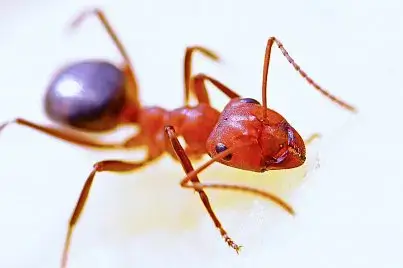
Fire ant mounds near entrances, sidewalks, common lawns, pet areas, and outdoor workspaces can quickly turn into a property complaint. Disturbing a mound may bring hundreds of stinging ants to the surface, while the rest of the colony remains below ground.
Simply Green provides commercial fire ant control in Atlanta through a granular treatment applied to suitable lawn and landscape areas. It controls existing colonies and helps prevent new colonies from becoming established for up to one year. Service can be arranged annually or requested when a commercial property needs treatment.
Stop Treating One Mound
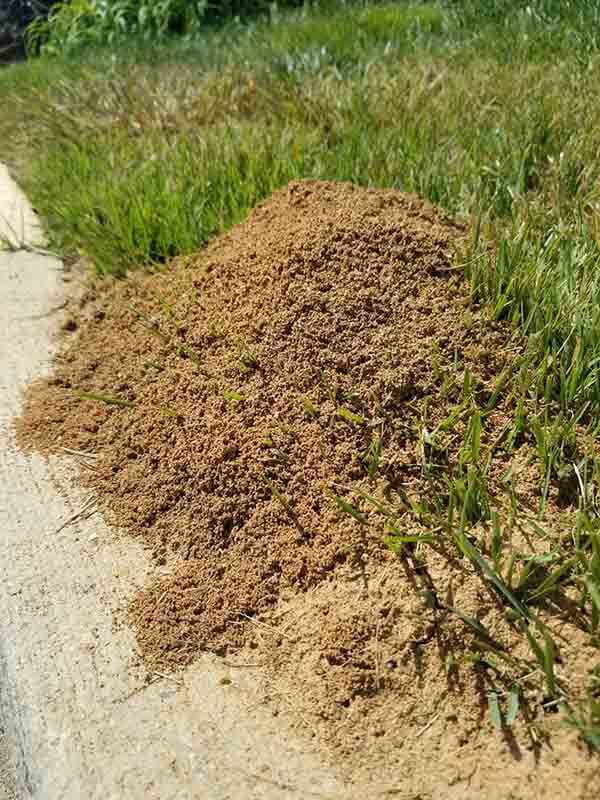
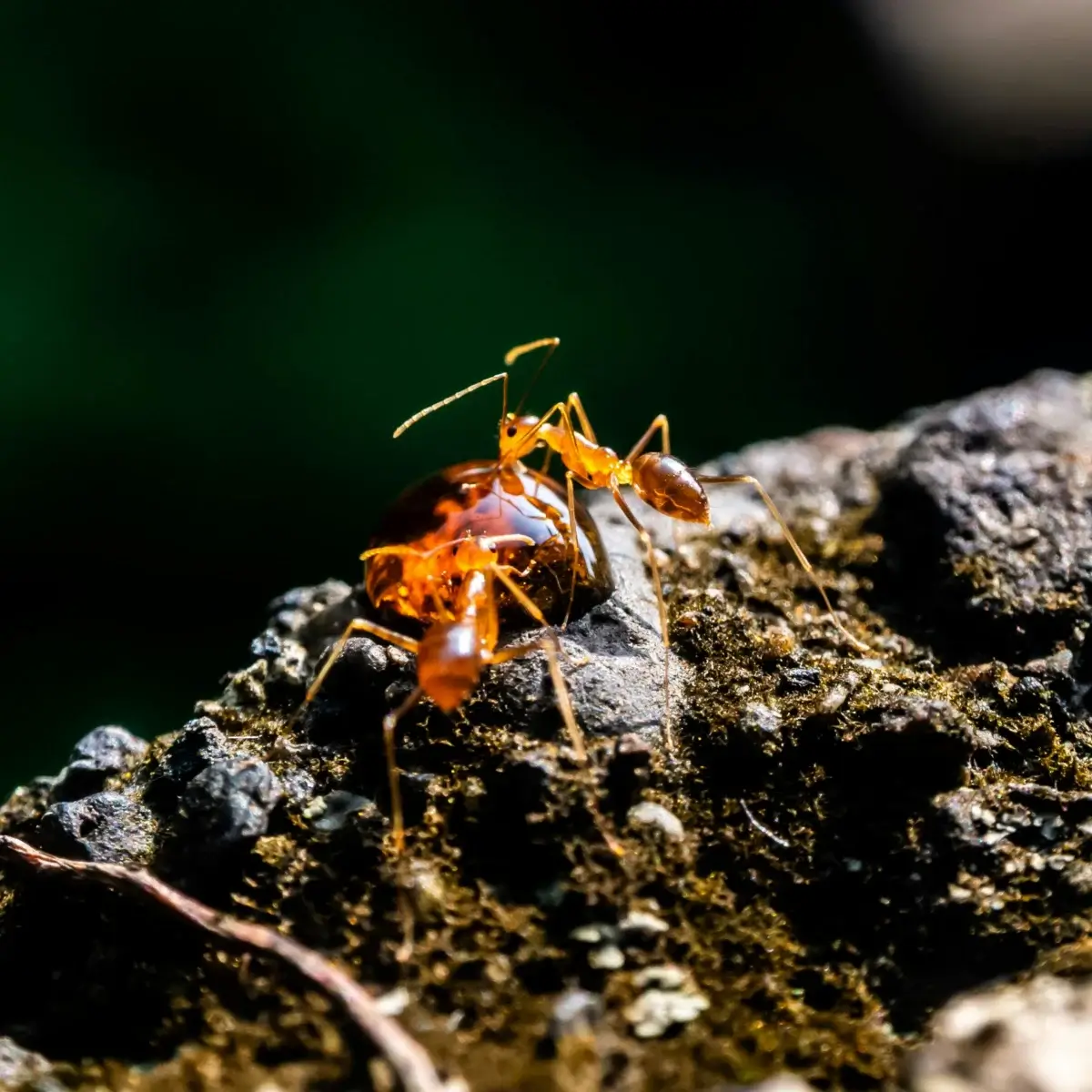
The mound near a walkway is only the part of the colony that can be seen. Fire ants live underground and may build new mounds elsewhere on the property. Treating one visible spot at a time leaves the rest of the grounds open to existing colonies and new activity.
Simply Green applies fire ant treatment to suitable turf and landscape areas rather than chasing individual mounds. Broader coverage is useful for apartment communities, HOAs, offices, retail sites, industrial properties, and other managed grounds where people regularly walk, work, gather, or exercise pets.
Our Six-Step Ant Plan
The visit begins with the areas where fire ants have been reported or where mounds are most likely to create problems. Priority sections often include entrances, sidewalks, courtyards, pet stations, playground surroundings, lawns beside parking areas, and employee gathering spaces.
We also confirm which parts of the property are included in service. Large grounds may contain fenced sections, retention areas, utility zones, or land maintained by another party. Clear boundaries help prevent missed areas and confusion after treatment.
Visible mounds are noted, but they are not the only focus. Fire ants can be active below the surface before a mound becomes obvious.
The ground is reviewed for fresh soil, colony activity, and places where ants are more likely to establish. Sunny turf, landscape edges, sidewalk joints, curbs, irrigation boxes, and open ground often deserve attention. Conditions vary with moisture, temperature, and site maintenance.
The property contact confirms gates, restricted areas, tenant spaces, outdoor events, mowing schedules, and other access needs before application.
Commercial sites remain active throughout the day. Apartment residents may be using common lawns, employees may be crossing between buildings, and landscape crews may be scheduled at the same time. Advance coordination helps keep people out of treatment areas and gives Simply Green access to the full service zone.
We apply granular fire ant treatment across suitable lawn and landscape areas. The service covers more than the visible mounds so existing colonies and surrounding ground are addressed together.
The treatment works gradually within the soil and reaches ants below the surface. It also helps prevent new colonies from becoming established in treated areas for up to one year.
The property contact receives instructions for watering and reopening treated sections. Irrigation or rainfall helps move the granules from the surface into the soil.
Employees, residents, tenants, visitors, and pets should remain away from treated areas until the stated re-entry requirements have been met. Those directions should be shared with onsite teams and other vendors responsible for outdoor access.
Fire ant control provides long-term coverage, but the property should still be monitored. Soil work, landscaping changes, untreated neighboring land, and new ant activity can affect what appears on the site.
New mounds, heavy surface activity, or colonies found outside the original treatment area should be reported. We can review the location, confirm whether it was included, and decide on the appropriate action.
After the Granules Go Down
Keep people and pets away from the treated grounds until the service instructions allow them to return. For apartment communities, HOAs, offices, schools, and other shared properties, this information may need to be shared with residents, employees, maintenance staff, security, or another landscape provider.
Follow the watering directions provided after service. Moisture helps carry the treatment into the soil. If another company manages irrigation, pass the instructions to that team and confirm that the necessary zones are working.
Leave visible mounds undisturbed. Kicking, raking, mowing over, or pouring water onto a mound can bring defensive ants to the surface and cause the colony to move. Simply mark or report new activity instead.
Mowing and other landscape work should follow any timing included in the service notes. Avoid moving untreated soil into a treated section or spreading soil from an active mound with mowing and grading equipment.
Construction, trenching, new sod, utility work, and major landscape changes can disturb treated soil. Let Simply Green know when those projects affect a service area so the coverage can be reviewed.
Fire Ants Below the Surface
A fire ant mound does not show the full size or shape of the colony. Tunnels extend below the surface, and ants move through the soil beyond the loose dirt visible above ground.
Mounds can seem to appear suddenly after rain. Moist soil is easier for ants to move, so a colony that was already present may become more noticeable after wet weather. During hot, dry periods, activity often shifts deeper into the ground, and fewer ants may be seen at the surface.
Atlanta’s long warm season gives fire ants plenty of time to remain active. Commercial irrigation also creates pockets of suitable moisture even when rainfall is limited. Open turf, landscape edges, and ground near pavement can all support colonies.
Imported fire ants defend the nest when it is disturbed. Workers move quickly and can sting more than once. That makes mounds near pedestrian routes, pet areas, playgrounds, and outdoor work zones more than an appearance concern.
The University of Georgia Cooperative Extension advises against disturbing fire ant mounds during treatment and explains that control methods must reach the colony below the surface.
Protection Where People Walk
Fire ant activity can occur across a property, but some locations create more immediate concerns.
Broad treatment helps cover both the obvious locations and the quieter sections where new colonies may otherwise become established.
A mound beside a walkway can be stepped on before it is noticed. Loose soil may also spread onto concrete, drawing attention at the property’s main approach.
Residents, children, guests, and pets use lawns around clubhouses, pools, dog stations, mail areas, and walking paths. Repeated mound reports in these areas can create additional work for onsite staff.
Fire ants may establish colonies near play equipment, benches, fields, and open grass. These sections need clear access and careful re-entry communication during treatment.
Lawns near building entrances, smoking areas, picnic tables, and outdoor break spaces receive regular foot traffic. A small mound in the wrong location can interrupt how the area is used.
Customers and guests may encounter fire ants near patios, signs, parking islands, event lawns, and landscaped entrances. These high-visibility areas should be included in the property review.
Fire ants may build near loading routes, fence lines, equipment pads, utility boxes, and turf that is less frequently maintained. Access details are important because these areas may be locked or restricted.
Up to One Year of Control
Simply Green applies a granular fire ant treatment across suitable lawn and landscape areas. It works gradually within the treated soil, reaching the colony below the visible mound.
The treatment controls existing colonies and helps prevent new colonies from becoming established for up to one year. Fire ant activity can still be affected by untreated neighboring land, soil disturbance, and areas outside the confirmed service boundary.
The material binds to the soil after it is watered in. It can be applied at different times of year, although temperature and moisture affect when ants are most active near the surface. During hot or dry weather, the treatment remains in the soil until conditions bring ants back into contact with it.
“One year” describes the product’s stated control period under labeled use. It does not mean ants can never appear near the property. Untreated land, soil disturbance, missed sections, and areas outside the service boundary can still affect what is seen.
Annual or As-Needed Care
Simply Green can provide commercial fire ant treatment annually or as an as-needed service.
Annual treatment is a practical choice for properties with large turf areas, frequent outdoor use, or a history of repeated colonies. It places coverage across suitable grounds before onsite teams are left responding to each new mound.
As-needed treatment may suit a property that has limited turf or occasional activity. The site is reviewed when service is requested, and the treatment area is confirmed before application.
The choice depends on property size, previous activity, outdoor amenities, surrounding land, and how much onsite exposure the grounds receive. A multifamily community with dog areas and play spaces may approach the problem differently from an office with two small lawn sections.
Property-Wide Ant Care
Repeatedly treating individual fire ant mounds keeps property teams in response mode. Simply Green applies granular fire ant treatment across suitable lawn and landscape areas, addressing both visible colonies and the ground where new colonies may form.
Simply Green offers annual and as-needed commercial service. Property size, outdoor use, previous activity, surrounding land, and access all help determine which approach makes sense.
More Commercial Pest Care
Fire ants are one concern among several that can affect outdoor commercial spaces.
Each service has a separate purpose. Fire ant treatment does not replace mosquito control, flea and tick care, or routine lawn management.
Commercial mosquito control every three weeks around likely breeding and resting areas.
Commercial flea and tick control for suitable outdoor sections where these pests are more likely to be active.
Commercial armyworm and grub control for insects damaging grass blades or roots.
Commercial weed control and fertilization for scheduled turf nutrition and weed management.
Commercial plant health care for suitable ornamental trees and shrubs.
Commercial liquid aeration for compacted turf soil without mechanical plugs.
Commercial Fire Ant FAQs
Sending maintenance staff after every new mound keeps the property in response mode. Simply Green treats suitable lawn and landscape areas as a whole, controls existing colonies, and helps stop new colonies from settling in for up to one year.
Tell us where mounds have been reported, which outdoor areas receive the most use, and whether any sections have restricted access. We will review the grounds and recommend annual or as-needed fire ant treatment for the property.