Commercial Hydretain Atlanta, GA | Simply Green

Commercial Water Support

Commercial Hydretain Water Saver in Atlanta, GA

A commercial irrigation system may run on schedule, while parts of the property still dry out. Turf beside pavement, on sunny slopes, in parking islands, and at exposed entrances often loses moisture faster than shaded sections.

Simply Green provides commercial Hydretain Water Saver treatment in Atlanta to keep more available moisture near turf and landscape roots. It works with rainfall and irrigation, helping the grounds use water more efficiently during hot, dry weather. Hydretain does not replace regular watering, repair irrigation, or correct drainage.
Improve Moisture Use

Get More From the Water Already Reaching Your Property

Running irrigation longer is not always the right response to dry turf. One sprinkler zone may provide uneven coverage, a slope may shed water, or heat from a parking lot may dry nearby grass before the next cycle. Increasing the schedule across the whole property can leave protected areas too wet while the original dry spot continues to struggle.

Simply Green applies Hydretain to help keep usable moisture around the root zone. The service can support commercial turf, trees, shrubs, and suitable ornamental plantings. Hydretain may reduce landscape watering needs by up to 50 percent under suitable conditions, although actual results depend on the property, weather, soil, irrigation, and plant needs.

Our Six-Step Water Plan

How Commercial Hydretain Treatment Works?

Review the Dry Areas

The visit begins where turf or landscape plants lose moisture first. We look at open lawns, slopes, narrow strips, parking islands, entrance plantings, and sections beside sidewalks or buildings.

Dry color does not always mean the property needs more water. Disease, root damage, insects, compacted soil, sprinkler failure, and mowing stress can look similar. The area is reviewed before Hydretain is recommended.

Check Irrigation and Site Conditions

We consider where water comes from, how it reaches the landscape, and what happens after it lands. Sprinkler coverage, runoff, standing water, drainage, shade, and reflected heat all affect moisture.

Simply Green does not repair irrigation systems, but obvious coverage concerns can be noted for the property manager. This prevents a blocked nozzle or broken head from being mistaken for a soil-moisture problem.

Confirm Plants and Priority Zones

Bermuda, Zoysia, fescue, trees, shrubs, and ornamental plants do not use water in the same way. Their needs also change through the season.

The property contact helps confirm which areas matter most. These may include turf around an entrance, street-facing lawns, common spaces, parking islands, newly installed plants, or sections that repeatedly dry between irrigation cycles.

Coordinate Access and Daily Operations

Gates, outdoor seating, resident areas, tenant spaces, loading routes, and other access needs are discussed before service. The grounds should be clear enough for the application to reach the planned areas.

If another company manages irrigation, that team should know when treatment is scheduled. Hydretain must be watered into the soil, so service and irrigation timing need to work together.

Apply Hydretain to Suitable Areas

Hydretain is sprayed across the turf and landscape sections included in the service. The treatment needs even coverage so it can move into the soil around the roots.

Once watered in, it helps collect small amounts of moisture in the soil and keep it available to plants. Thi

Adjust Irrigation From Actual Conditions

After the treatment has been watered into the soil, irrigation should follow the property’s current needs. Rainfall, temperature, plant growth, soil, and exposure continue to change how quickly each area dries.

Hydretain may allow longer gaps between watering under suitable conditions. Adjustments should be made carefully rather than cutting the schedule everywhere at once. Monitor the landscape and avoid reducing water in areas that are still showing signs of stress.

What Property Teams Should Do After Hydretain Treatment?

Watering the treatment into the root zone is the priority. Follow the service instructions and ensure the affected irrigation zones are functioning. If rain is expected, confirm whether it will provide enough water or whether scheduled irrigation is still needed.

Keep employees, residents, tenants, customers, visitors, and pets away from treated areas until the stated re-entry requirements have been met. Share the instructions with security, maintenance, landscape crews, and other onsite teams when needed.

Once the initial watering is complete, monitor the driest parts of the property. Turf near pavement, south-facing walls, slopes, and open parking areas often shows moisture stress first. Those sections provide a better guide than a shaded area that stays wet longer.

Avoid setting every irrigation zone to the same run time. A small courtyard, open lawn, and parking island may have very different water needs. Property-wide overwatering can cause runoff, soil saturation, unnecessary plant stress, and increased utility use.

Report sections that stay dry after treatment and irrigation. Hydretain cannot make up for a sprinkler that does not reach the area or water that runs away before entering the ground.

Plain Moisture Management

What Hydretain Does Around the Roots?

A small amount of moisture remains in soil as vapor or droplets that plant roots cannot easily use. Hydretain helps collect that moisture near the root zone and makes more of it available to turf and landscape plants.

The service is best understood as moisture management. It does not feed the grass like fertilizer and does not physically loosen the soil like core aeration. Its job is to help plants make better use of rainfall and irrigation.

That distinction matters on a commercial property. Hydretain will not:

  • Repair damaged sprinkler heads or leaking lines
  • Redirect water from roofs, pavement, or slopes
  • Correct the grade of a low lawn area
  • Remove heavy soil compaction
  • Treat lawn insects or disease
  • Replace water during an extended dry period
  • Make every irrigation zone perform the same way

When one of those issues is present, Simply Green explains what was observed so the property manager can direct it to the right provider.

Implementing Water-Saving Strategies

Manage Atlanta Dry Periods

Support Turf Through Heat and Uneven Rainfall

Atlanta properties do not receive moisture in a steady pattern. Several inches of rain may fall over a short period, followed by hot days that quickly dry exposed turf. Automatic irrigation can also continue after heavy rain unless it is adjusted.

Hard surfaces add another challenge. Asphalt, concrete, brick, and stone absorb heat during the day, raising the temperature of nearby grass and plants. Parking islands and narrow lawn strips often dry before larger open areas because they are surrounded by pavement.

Clay-heavy soil can hold plenty of moisture once water enters it, but compacted sections may resist infiltration at the surface. Water then runs down a slope or across the ground. Hydretain supports moisture retention in the soil but does not physically open severely compacted soil.

For general turf guidance, the University of Georgia Cooperative Extension recommends deep, less frequent irrigation rather than shallow daily watering for established lawns. Commercial schedules still need to reflect grass type, soil, slope, plant material, and current weather.

Where Water Is Lost First

Commercial Areas That May Benefit From Hydretain

Hydretain can be applied to suitable commercial turf and landscaped areas, but certain sections often show a greater need for moisture.

The service area should be based on actual need. A permanently wet section does not need more moisture held around the roots.

Parking Islands

These small planting areas are surrounded by heat and may have limited soil volume. Irrigation can also be difficult to aim without spraying nearby pavement.

Street-Facing Turf

Grass along roads, signs, and property entrances receives direct sun, heat, and wind. Because these areas are visible, dry color is noticed quickly.

Slopes and Raised Areas

Water may move downhill before it enters the root zone. Shorter irrigation cycles and moisture support may be useful when runoff is part of the problem.

Apartment and HOA Grounds

Large shared lawns, pet areas, and open common spaces may have several irrigation zones. One section can dry while another stays wet.

Office and Retail Landscapes

Entrance lawns, courtyard plants, and grass beside sidewalks face a mix of foot traffic, shade, reflected heat, and restricted root space.

New Sod and Plantings

Young turf and recently installed plants have developing root systems and need steady moisture. Hydretain can support establishment, but careful irrigation remains necessary.

Practical Property Benefits

Why Commercial Properties Use Hydretain?

The value of Hydretain lies not simply in the fact that less water may be used. It gives property teams another way to manage landscapes where moisture disappears too quickly.

Potential benefits include:

  • Better use of irrigation: More available moisture remains near the root zone after the system runs.
  • Support during hot weather: Turf and plants retain moisture longer during suitable dry periods.
  • Help for recurring dry areas: Sections near pavement, on slopes, and at exposed entrances may retain usable moisture longer.
  • Fewer unnecessary irrigation cycles: Watering needs may drop by up to 50 percent when conditions support it. Results vary by property.
  • Support for new sod and plants: Consistent moisture availability can help during early establishment.
  • Less pressure to overwater the whole site: One dry section does not have to dictate the schedule for every zone.

Hydretain is most useful when irrigation is working, the soil can accept water, and the landscape is otherwise receiving suitable care.

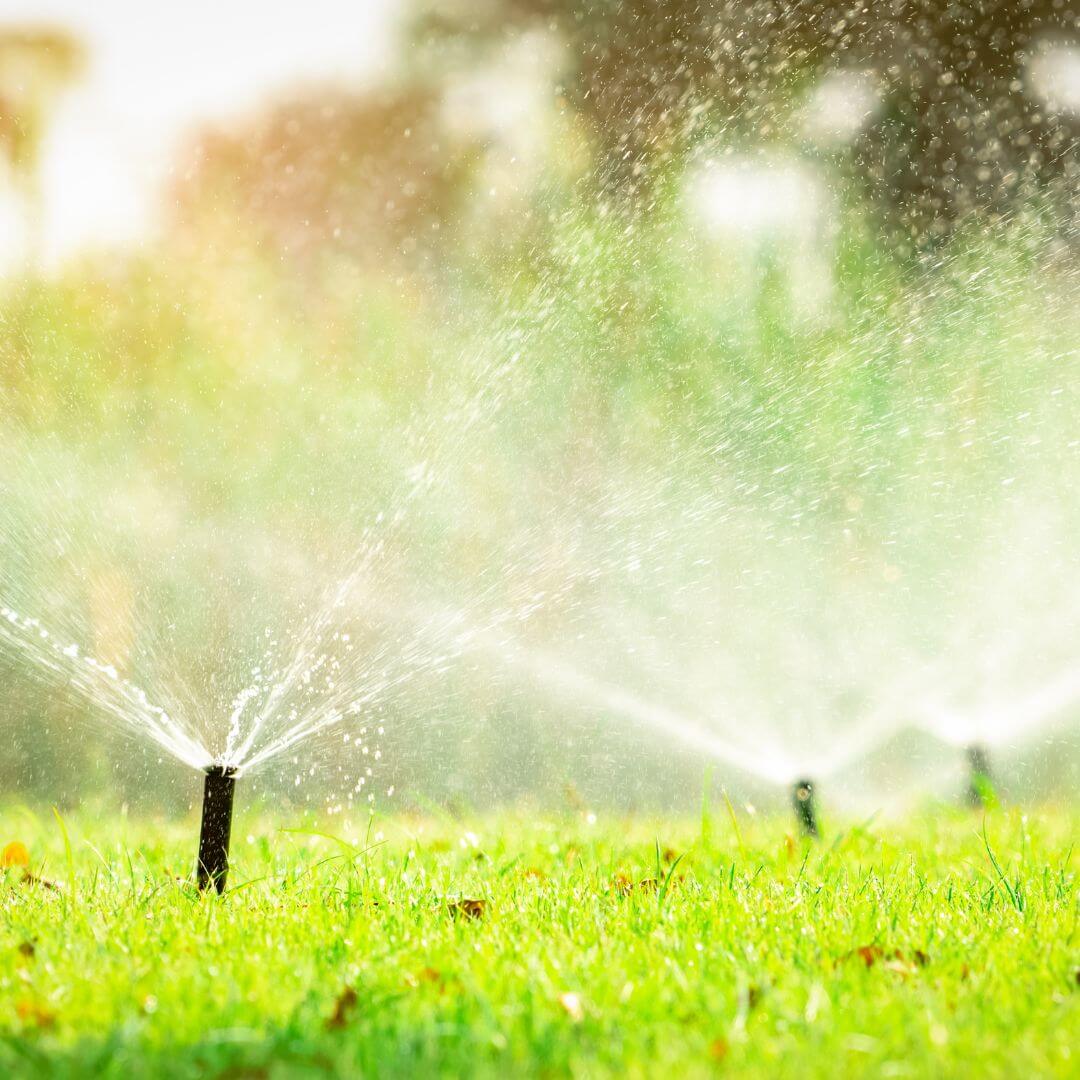
lawn sprinklers

Connect the Treatment With Irrigation and Landscape Care

Commercial water management often involves several vendors. Simply Green applies Hydretain, an irrigation company manages the system, and a landscape crew handles mowing, pruning, or plant replacement.

The property contact keeps those services connected. Irrigation staff need the watering instructions. Landscape crews should know when treated areas are safe to enter. Property maintenance should report leaks, blocked drains, and construction that affects soil or plant roots.

Service notes should also be shared when irrigation schedules change. Cutting water too quickly can stress active turf, while failing to reduce unnecessary cycles can limit the treatment’s water-saving value.

A useful plan begins with the driest areas and follows what happens after service. If one zone remains dry while the rest improves, sprinkler coverage or soil condition may need attention.

Local Commercial Support

Why Choose Simply Green?

A commercial water-management service should account for more than the driest patch of grass. Irrigation coverage, turf type, landscape use, soil condition, and reflected heat can vary across one property. Simply Green reviews those differences before recommending Hydretain or deciding where it should be applied.

  • Attention to recurring dry areas: We look at the sections that lose color first, dry between irrigation cycles, or remain stressed during hot weather. This may include parking islands, slopes, street-facing lawns, entrance plantings, and turf beside pavement.
  • Care based on the site: Bermuda, Zoysia, fescue, trees, and shrubs have different moisture needs. Treatment areas are selected according to the plants, exposure, root conditions, and how the grounds are used.
  • Coordination with the property contact: Irrigation schedules, locked areas, tenant spaces, landscape work, and daily operations are discussed before service. This gives the treatment a better chance to reach the planned areas without creating unnecessary disruption.
  • Clear watering instructions: Hydretain must be watered into the root zone. The property contact receives practical directions that can be passed to the irrigation company, maintenance team, or landscape provider.
  • Honest recommendations: Hydretain will not repair a sprinkler, redirect runoff, remove severe soil compaction, or treat disease. When another issue is affecting the landscape, we explain what was found so it can be sent to the right vendor.
  • Support beyond one application: Changes in turf color, irrigation coverage, or soil moisture can be reviewed as the commercial lawn program continues. Related services are recommended only when they fit an identified need.

Simply Green works with the heat, heavy storms, sudden dry stretches, clay-heavy soil, and mixed growing conditions found across Metro Atlanta properties. The result is a Hydretain service planned around the site instead of one standard application used the same way everywhere.

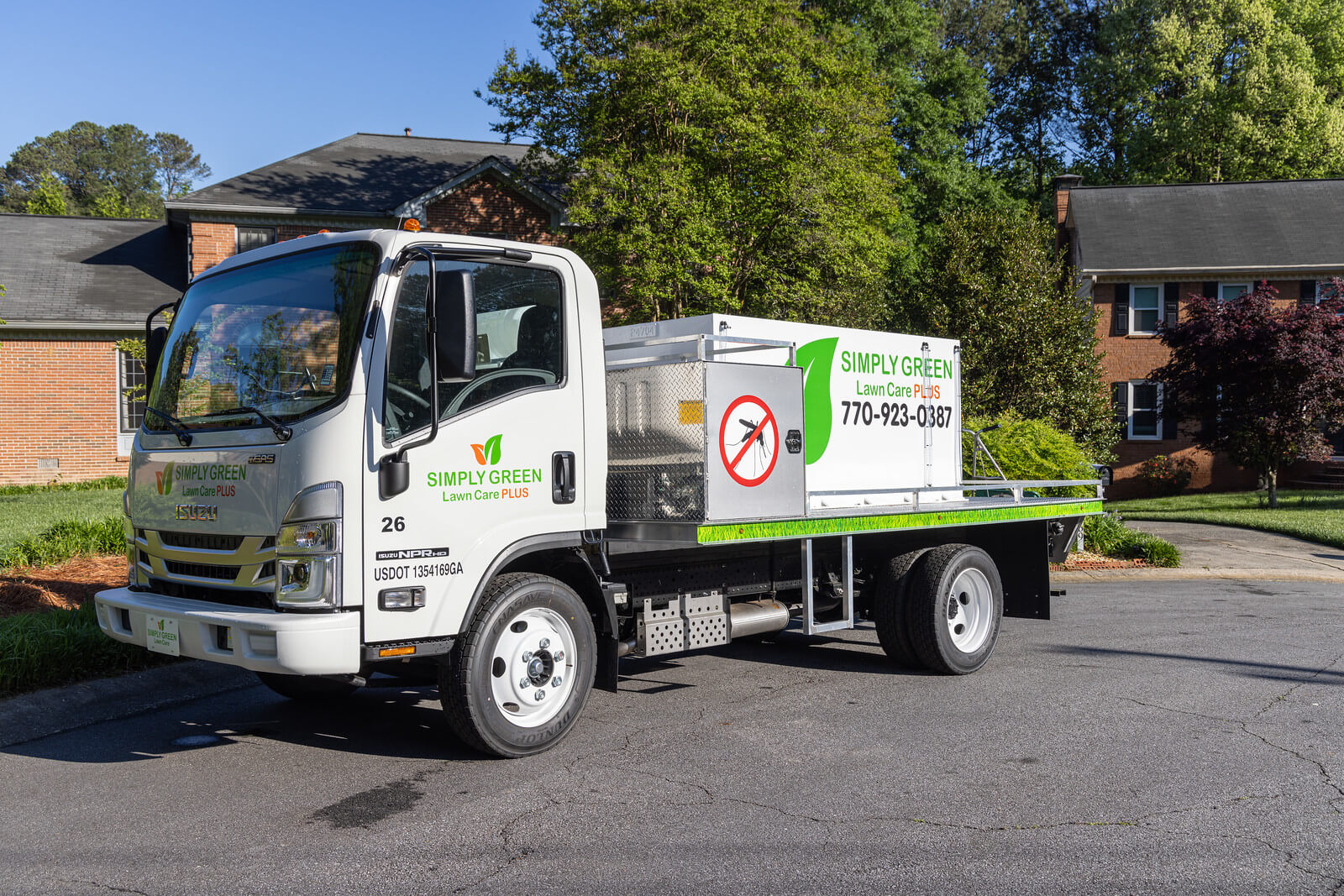
Photo of a Simply Green Lawn Care service truck

More Commercial Lawn Care

Related Services for Managed Grounds

Hydretain supports moisture use. Hydretain does not replace any of these services. It should be added only when moisture management is part of the property’s lawn or landscape problem.

Other services address separate turf and landscape concerns:

Commercial weed control and fertilization

Commercial weed control and fertilization provides scheduled nutrition and weed management.

Commercial liquid aeration

Commercial liquid aeration supports water and air movement through compacted turf soil.

Commercial plant health care

Commercial plant health care provides seven seasonal visits for suitable trees and shrubs.

Commercial armyworm and grub control

Commercial armyworm and grub control targets insects that feed on turf blades or roots.

Commercial fire ant control

Commercial fire ant control treats colonies across suitable lawn and landscape areas.

Commercial mosquito control

Commercial mosquito control focuses on likely breeding and resting areas every three weeks.

Commercial Hydretain FAQs

Frequently Asked Questions

Put a Smarter Irrigation Support Plan in Place

Running the system longer across the entire property is costly when only a few exposed areas are drying too quickly. Simply Green’s commercial Hydretain treatment helps keep available moisture near the roots so turf and landscape plants can make better use of the water they already receive.

Show us where grass loses color first, where runoff occurs, and which landscape areas matter most to the property. We will review the site and determine whether Hydretain belongs in the commercial water-management plan.