
Protect Commercial Turf
Simply Green provides annual armyworm and grub prevention for Atlanta commercial properties, along with targeted treatment when these turf-damaging insects are already active.
Your Turf Protection Plan
We start by assessing the damaged turf, checking for armyworms or grubs, and deciding whether the property needs preventive or active treatment.
We look at brown patches, thinning grass, chewed blades, bare areas, and loose turf to see where the damage is happening and how far it has spread.
Next, we check the grass and root zone for armyworms or grubs. Irrigation, drainage, mowing, and other conditions are considered simultaneously.
Entrances, monument signs, leasing offices, shared amenities, walkways, and other highly visible lawn areas get a closer look during the assessment.
Annual spring treatment protects the turf before feeding begins. Active armyworm or grub infestations receive treatment based on what we find.
Professional-grade insect treatment is applied to the lawn areas that need it. We also provide the watering and access instructions for the application.
Stopping the insects prevents more feeding, but existing turf damage takes time to recover. Additional lawn care may be recommended when damage is more extensive.
Follow the watering, access, and lawn care instructions provided after service. Make sure mowing, irrigation, landscaping, and maintenance teams know the property has been treated.
Use the watering amount and timing provided after service. Share the instructions with whoever manages the property’s irrigation.
Let mowing crews and maintenance teams know treatment has taken place and pass along any temporary instructions that affect their work.
Brown or thin areas will not turn green immediately. Continue checking the turf while the healthy grass begins to recover.
Let us know about any new brown patches, chewed blades, loose turf, or damage that continues to spread after treatment.
Fast Turf Damage
Armyworms feed directly on grass blades. When large numbers are active, commercial turf can become brown, bare, or look unusually short within a short period.
Significant damage can develop in as little as two days. Property and grounds teams should watch for:
Active treatment controls the current armyworm population and provides up to 14 days of protection. A new infestation after that period may require another treatment.
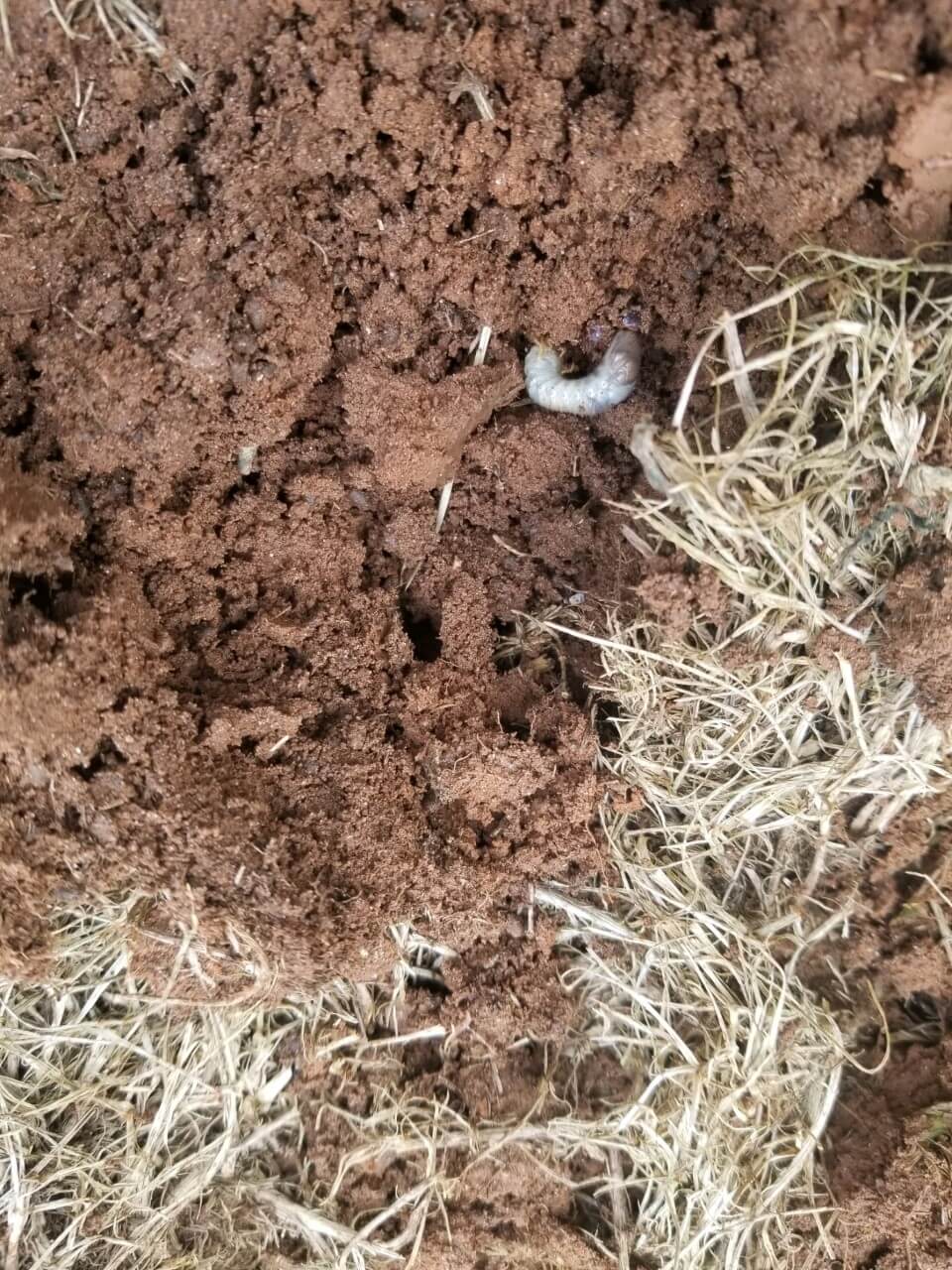
Damage Below the Turf
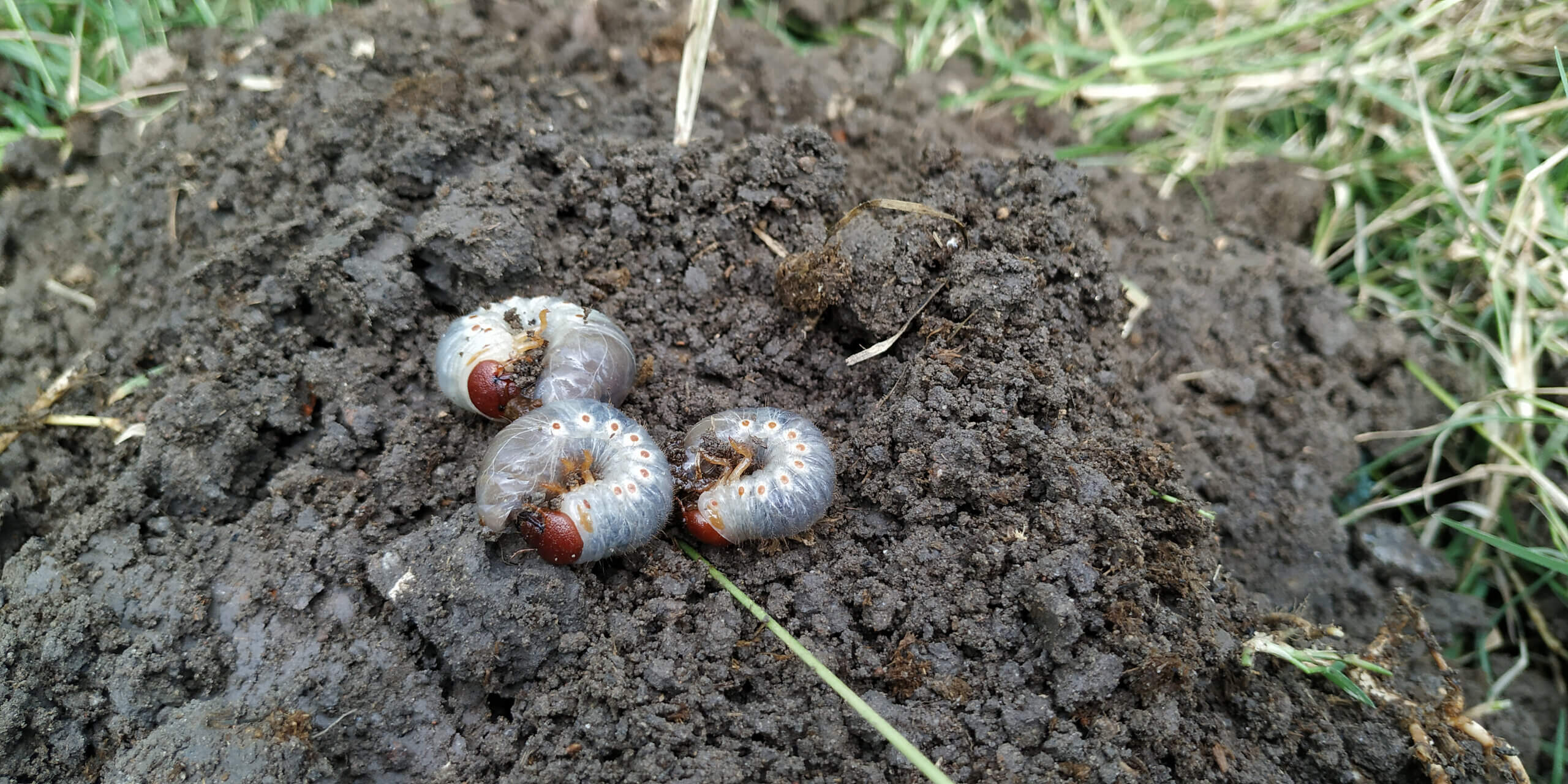
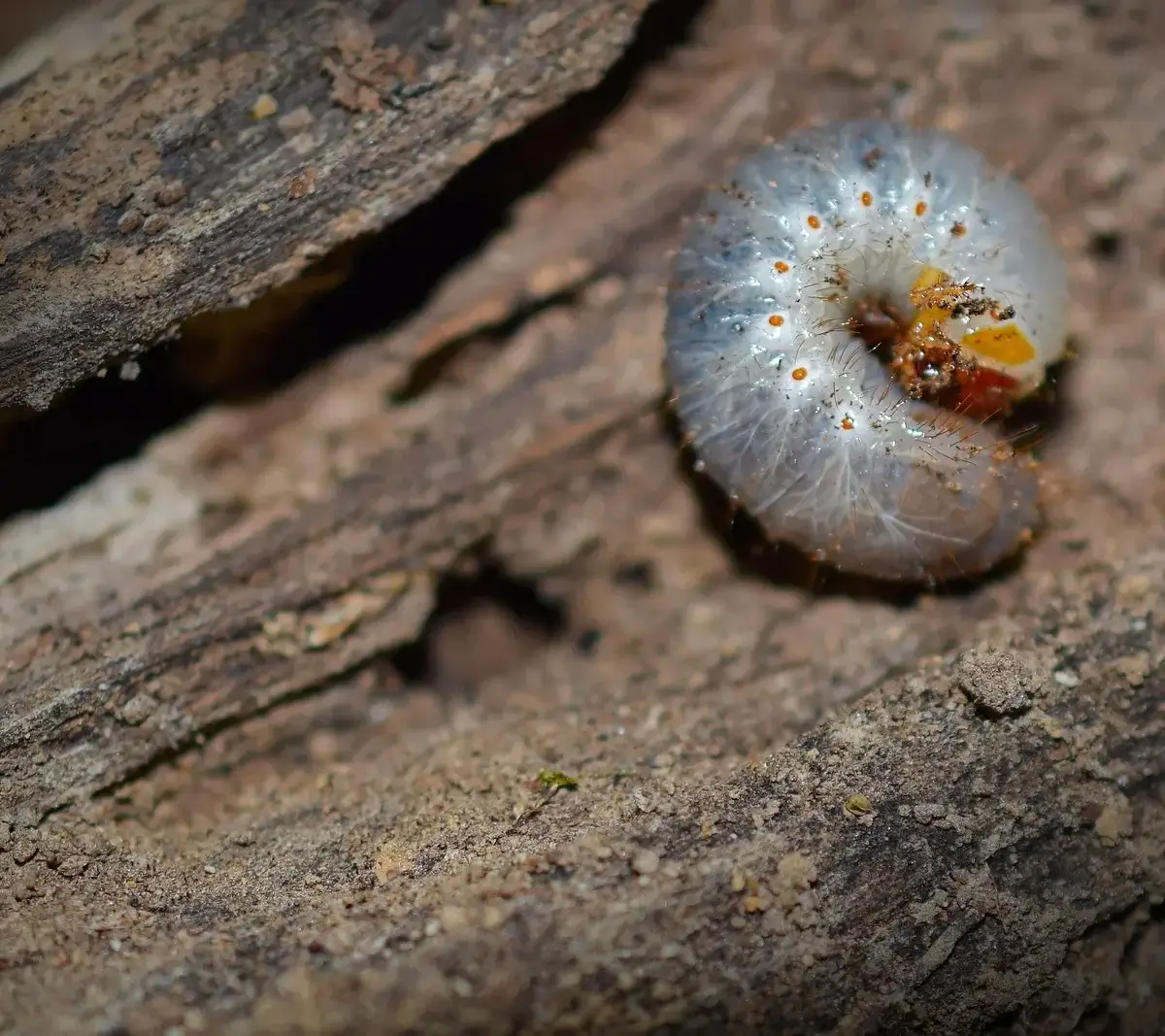
Grubs are harder to spot because they stay below the soil. As they feed around the roots, turf may turn yellow or brown, thin, or feel loose underfoot.
More serious root damage can cause sections of grass to lift away from the soil. Birds or other animals repeatedly digging in one area of the lawn can also be a sign of grubs beneath the surface.
Active grub treatment controls the current population and provides protection against new grub activity for up to 28 days. We base treatment on what we find in the turf and root zone.
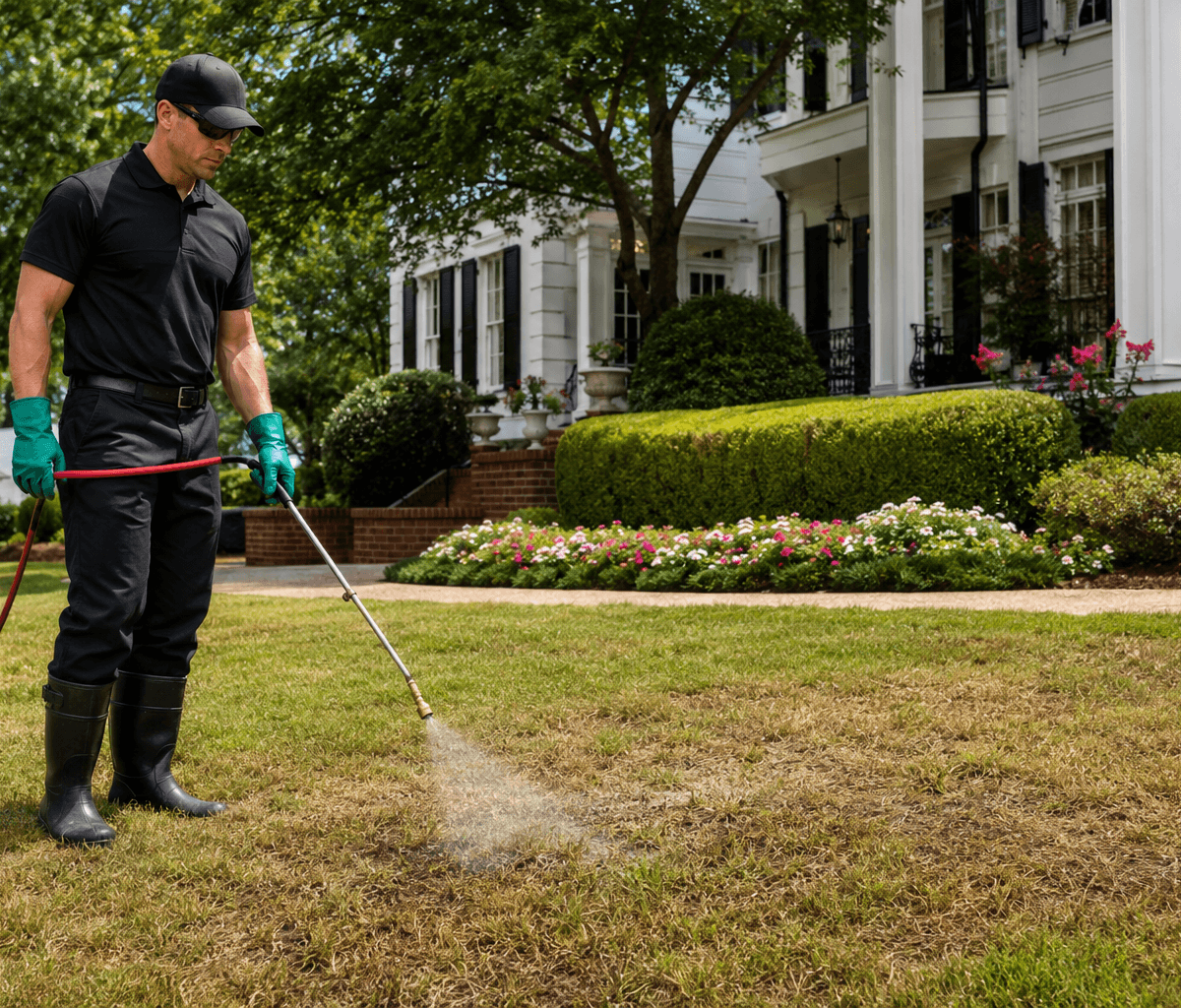
Protect High Visibility Turf
Armyworms and grubs can show up anywhere across commercial turf. Some areas deserve extra attention because the damage there is more visible or affects regularly used lawn areas.
We check turf around entrances and property signs for thinning, discoloration, feeding damage, and other signs of insect activity.
Lawn areas around leasing offices and model areas can be covered by preventive treatment and checked when insect activity is suspected.
Common lawns and grass around clubhouses, pools, and other shared areas are checked for active damage and changes in turf condition.
Turf around buildings, parking areas, sidewalks, and entrances can be covered as part of the property's prevention or treatment plan.
Lawns around event spaces, outdoor gathering areas, and guest access points can receive additional attention when insect damage is present.
A More Complete Turf Protection Plan
Armyworm and grub control starts with identifying the cause of turf damage, choosing prevention or active treatment based on what is found, and giving damaged grass the right conditions to recover after insect feeding stops.
Brown, thin, or loose turf does not automatically mean insects are responsible. Simply Green checks grass blades, the root zone, irrigation, drainage, mowing, and other lawn conditions before deciding whether armyworms or grubs are causing the damage.
Annual spring prevention is available before armyworms and grubs begin feeding. When an active infestation is already present, treatment is directed toward the insect problem found in the turf.
Stopping the insects prevents additional feeding, but damaged turf still needs time to recover. Watering, mowing, grass type, season, soil conditions, and the amount of healthy turf remaining can all affect how the lawn responds afterward.
Know What the Turf Actually Needs
Armyworms usually damage grass blades, while grubs feed around the roots. The location and pattern of damage help determine where to inspect before treatment is recommended.
A property planning ahead for seasonal turf insects may use annual spring prevention. A lawn with confirmed armyworm or grub activity needs treatment for the current infestation instead.
Armyworm damage can spread rapidly, while grub damage may show up as loose, thinning, or easily lifted turf. Property teams should report sudden changes so the affected areas can be inspected before damage becomes more extensive.
Heat, disease, irrigation, drainage, mowing, and soil conditions can create brown or thin turf. Those problems may need separate attention even when insect treatment is not appropriate.
Mowing schedules, irrigation cycles, gated access, events, and busy operating periods should be shared when service is arranged so treatment and aftercare instructions can be coordinated with the property team.
Best-Fit Commercial Properties
Commercial armyworm and grub service is most useful for properties where turf appearance, shared outdoor use, or recurring seasonal insect concerns make early diagnosis and timely treatment important.

Plan Prevention and Active Treatment
Program Point | Timing / Frequency | Commercial Planning Note |
Turf assessment | Before preventive or active treatment | Review brown areas, chewed blades, loose turf, roots, irrigation, drainage, mowing, and other possible causes. |
Annual preventive application | Once in spring | Protect commercial turf before armyworms and grubs begin causing seasonal feeding damage. |
Active armyworm treatment | When armyworms are confirmed | Controls the active population and provides up to 14 days of protection; a new infestation after that period may require another treatment. |
Active grub treatment | When grubs are confirmed | Controls the current population and provides protection against new grub activity for up to 28 days. |
Post-treatment monitoring | After service | Watch for new brown patches, chewed blades, loose turf, or damage that continues to spread. |
Recovery review | As damaged turf responds | Additional lawn care may be recommended when insect feeding has left more extensive turf damage. |
Commercial Turf Protection Value
The lawn is inspected before service so insect treatment is not used simply because turf has turned brown or thin. This helps separate armyworm or grub damage from irrigation, drainage, disease, mowing, heat, or soil problems.
Commercial properties can plan a spring preventive application and still have access to targeted treatment when an active armyworm or grub problem is found.
Entrances, monument signs, leasing areas, amenity lawns, sidewalks, office turf, and event spaces can receive closer attention when visible damage or insect activity is suspected.
Watering, access, mowing, irrigation, and lawn-care instructions can be shared with the teams responsible for the property while damaged grass begins to recover.

Plan the Commercial Scope
Commercial properties differ in turf area, damage patterns, access, and whether service is preventive or treating an active infestation. Simply Green provides an estimate after reviewing the property and the treatment scope.
Estimate Factor | What Is Reviewed |
Amount of turf | The total lawn area included in prevention or the sections that need active treatment. |
Preventive vs. active service | Whether the property is scheduling annual spring prevention or treatment for a confirmed infestation. |
Type and extent of damage | The location, spread, and severity of turf symptoms and whether armyworms, grubs, or another lawn condition is responsible. |
Property layout and priority areas | Entrances, signs, leasing areas, shared amenities, sidewalks, office turf, event lawns, and other sections that may require inspection or treatment. |
Access and operating schedule | Gated areas, mowing days, irrigation cycles, events, and other property requirements that affect service planning. |
Commercial Turf Experience
Simply Green has served Metro Atlanta properties since 2004. We do not assume every brown patch is an insect problem. The turf is checked first to determine whether armyworms, grubs, or another lawn condition is responsible.
Properties can use annual prevention before seasonal insect activity begins or request treatment when armyworms or grubs are already active. We explain what was found, what treatment is being applied, and what needs to happen afterward.
Have a mowing schedule, irrigation cycle, gated entrance, busy operating period, or other access requirements? Let us know when service is scheduled so the visit can be coordinated with the property team.
Complete Commercial Care
Armyworms and grubs are not the only problems that can affect commercial turf. Simply Green also provides lawn, soil, and outdoor pest services across Atlanta properties.
Treats existing colonies and provides broader protection against fire ants across suitable commercial turf.
Covers lawns, landscape areas, shared grounds, and other places where fleas and ticks may remain.
Treats areas where mosquitoes breed and rest, such as around vegetation and frequently used outdoor spaces.
Provide seasonal weed control and nutrition for commercial turf.
Addresses hard, compacted soil that can restrict the movement of water, air, and nutrients through the root zone.
Common Turf Pest Questions
Here are answers to common questions about armyworm and grub activity, treatment, prevention, and turf recovery.
Simply Green provides annual spring prevention and targeted treatment for active armyworm and grub infestations across Atlanta commercial turf. We inspect the lawn first, identify the cause of the damage, and determine the appropriate treatment for the affected areas.
For commercial armyworm and grub control, call us today or request an online estimate. We can inspect the turf, check for current insect activity, and recommend the right prevention or treatment plan for your property.