Commercial Pest Coverage
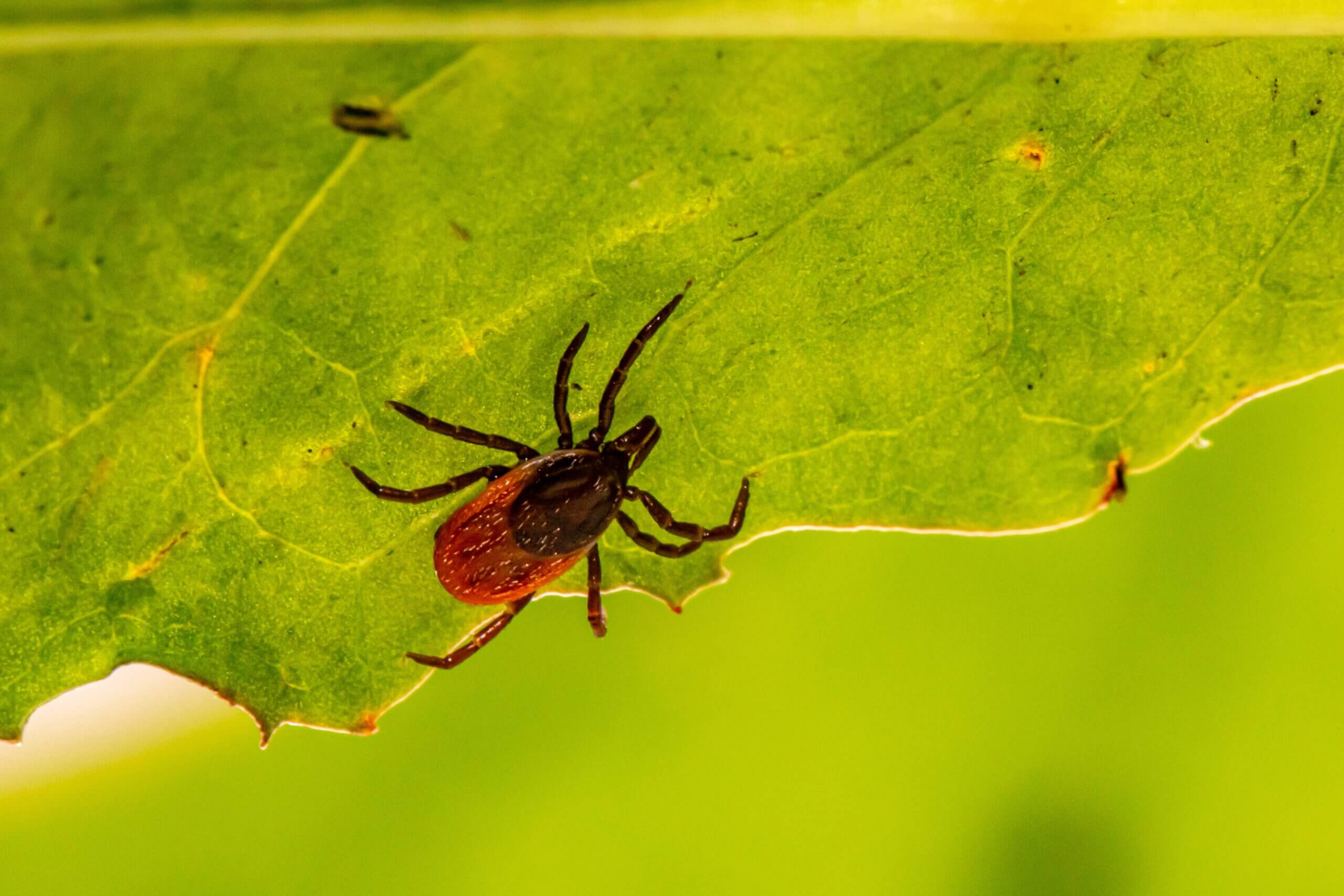
Fleas and ticks are easy to miss in commercial landscaping. They stay low to the ground, under shrubs, among fallen leaves, and along shaded property edges. Complaints may not begin until a resident finds fleas on a pet or someone picks up a tick after using an outdoor area.
Simply Green provides commercial flea and tick control in Atlanta through three scheduled applications. Service begins in April, continues in June, and finishes in August. Treatment focuses on suitable outdoor areas where these pests are more likely to remain, including shared lawns, pet spaces, shaded vegetation, and property edges.
Cover High-Use Grounds
Apartment communities, HOAs, offices, retail properties, and other managed sites often include outdoor spaces used throughout the warmer months. Dog stations, walking paths, shaded lawns, picnic areas, and common grounds can also provide the cover and moisture fleas and ticks prefer.
Simply Green treats suitable parts of the property on a set seasonal schedule. The program reduces activity on the serviced grounds, but it does not protect people or animals when they leave the property. Pet owners should continue veterinary flea and tick prevention, especially when pets visit dog parks, trails, boarding facilities, or other outdoor locations.
Our Six-Step Pest Plan
The service begins with the areas used by residents, employees, customers, visitors, and pets. We ask where activity has been reported and which outdoor sections receive regular use.
A pet area at an apartment community needs different attention from an office lawn beside woods. Property layout, surrounding vegetation, shade, wildlife movement, and daily use all help set the treatment priorities.
leas and ticks are not usually spread evenly across an entire property. Shaded soil, leaf litter, brush, low-lying plants, fence lines, and areas used by animals provide them with better places to remain.
We check beneath shrubs, around property edges, near wooded boundaries, beside shared paths, and in suitable pet areas. Open pavement and short grass in full sun are less likely to provide the same cover.
Before treatment, we confirm gates, restricted spaces, pet-area schedules, playground use, outdoor events, and any notice required for tenants or employees.
Commercial access changes often. A lawn may be blocked by parked equipment, contractors, temporary fencing, or an event setup. Letting us know in advance makes it easier to cover the planned service areas.
Treatment is applied to the parts of the commercial grounds where fleas and ticks are most likely to be active. Coverage may include shaded turf, vegetation edges, areas beneath suitable shrubs, pet routes, and the borders between maintained lawn and heavier plant growth.
The service is focused. Spraying exposed pavement or every open lawn section would add work without addressing where these pests are most likely to stay.
After treatment, employees, tenants, residents, visitors, and pets should remain away from serviced areas until the application has dried and the stated re-entry period has passed.
The property contact receives the instructions and can share them with onsite staff, residents, tenants, or other vendors. Clear notice is especially important around apartment dog areas, playgrounds, courtyards, and employee break spaces.
Simply Green’s commercial program includes three applications:
1. April, with coverage through May
2. June, with coverage through July
3. August, with coverage through September
Completing all three visits keeps treatment in place through the main service period. Weather, site maintenance, animal movement, and nearby untreated land can still affect pest activity between applications.
Three Seasonal Applications
Atlanta’s warm, humid weather supports flea and tick activity through much of the year. Simply Green’s three-application program places scheduled coverage across the main warmer-weather period.
The first application begins the program and provides coverage through May. This visit establishes treatment as temperatures rise and outdoor areas receive more use.
Leaf litter, spring plant growth, shaded ground, and animal traffic are considered during the property review. Any access changes since the estimate should be shared before this first service.
The second application provides coverage through July. By this point, vegetation is more abundant, outdoor activity has increased, and Atlanta is consistently warm and humid.
Shrubs, groundcover, lawn edges, pet areas, and wooded borders may need another look because plant growth can change the amount of shade and shelter available.
The third application provides coverage through September. Warm conditions often continue well into Atlanta’s early fall, so ending the program after spring would leave a long gap.
This final scheduled visit extends coverage through the remaining service period. It is not a permanent barrier, and new exposure remains possible when wildlife, people, or pets move through the grounds.
Where These Pests Hide?
Fleas and ticks spend much of their time in protected areas. They depend on animals for movement and feeding, which means that both the landscape and how animals use it matter.
Soil beneath shrubs stays cooler and holds moisture longer than open ground. Fallen leaves and dense branches add more cover. These areas may sit directly beside entrances, patios, or walkways.
Dogs use the same routes and lawn sections repeatedly. Pets may also arrive from other properties carrying fleas or ticks. Regular veterinary prevention remains important even when the grounds receive treatment.
The transition between maintained turf and thicker vegetation can support ticks and the wildlife that carries them. These edges deserve attention when they border walking paths, lawns, parking areas, or apartment grounds.
Shared outdoor spaces often combine grass, shade trees, shrubs, seating, and steady foot traffic. Treatment should cover suitable pest habitat without assuming every square foot presents the same risk.
Leaf piles, unused materials, tall weeds, and plant debris can collect behind buildings or near service areas. Cleaning these sections removes cover and makes future service easier
Grounds Care Matters Too
Treatment works better when the site does not provide unnecessary shelter. Property teams and landscape vendors can support the program with routine maintenance.
The CDC notes that rodents can carry ticks, mites, and fleas that can indirectly transmit disease. Keeping trash, food sources, and clutter under control supports the outdoor treatment plan.
Leaf litter holds moisture and creates cover beneath shrubs, along fences, and around wooded edges.
Overgrown turf provides more shelter. Scalping is not the answer either because stressed grass can create other maintenance problems.
Dense, unmanaged growth along active areas gives ticks and animal hosts more cover.
Remove waste, address standing water, and keep the surrounding vegetation under control.
Tarps, unused containers, boards, and equipment can create sheltered areas for rodents and other animals that carry fleas or ticks.
Open trash, spilled birdseed, and accessible food waste can draw animals closer to occupied areas.
Fit Different Property Uses
Commercial priorities change by property type.
The property contact helps identify which of these areas matter most. That keeps the service focused on actual use rather than applying a residential yard plan to a commercial site.
Seasonal Grounds Coverage
Fleas and ticks tend to remain in shaded, protected parts of a commercial landscape. Simply Green focuses on those areas and follows a clear three-application schedule through the main service period.
Simply Green gives apartment communities, HOAs, offices, and other commercial sites a set seasonal plan instead of waiting for one complaint to become several.
More Outdoor Pest Care
A property dealing with fleas and ticks may have other lawn or outdoor pest concerns. Each service covers a different need. Flea and tick treatment does not replace mosquito control, fire ant treatment, interior pest control, or veterinary prevention.
Commercial mosquito control every three weeks around likely breeding and resting areas.
Commercial fire ant control for colonies across suitable lawn and landscape areas.
Commercial armyworm and grub control for insects feeding on turf blades or roots.
Commercial weed control and fertilization for scheduled turf nutrition and weed management.
Commercial plant health care for suitable ornamental trees and shrubs.
Commercial liquid aeration for compacted turf soil without mechanical plugs.
Commercial Flea Tick FAQs
Waiting for repeated complaints leaves property staff responding to one pet area, walkway, or landscape bed at a time. Simply Green provides three scheduled applications from April through September and focuses treatment on the outdoor places fleas and ticks are more likely to use.
Tell us where pets spend time, which grounds are busiest, where activity has been reported, and whether any sections require special access. We will review the site and put seasonal flea and tick coverage in place for your commercial property.