Atlanta Lawn Treatment
Weeds taking over, grass looking thin, or lawn color fading? We provide residential weed control and fertilization in Atlanta, GA, based on your grass type, the season, and what is happening across your yard.
Simply Green’s lawn program combines preventive weed control, treatment for visible weeds, and seasonal nutrients. Whether your home has Bermuda, Zoysia, or fescue, the service is adjusted to how that grass grows in Atlanta.
Care for Atlanta Lawns
Weeds often spread where grass has become thin, stressed, or slow to recover. This can happen in sunny areas exposed to Atlanta heat, shaded sections beneath mature trees, compacted ground near walkways, or turf receiving uneven irrigation. Depending on the season, crabgrass, chickweed, henbit, clover, nutsedge, and other weeds may begin competing with the grass for room, water, and nutrients.
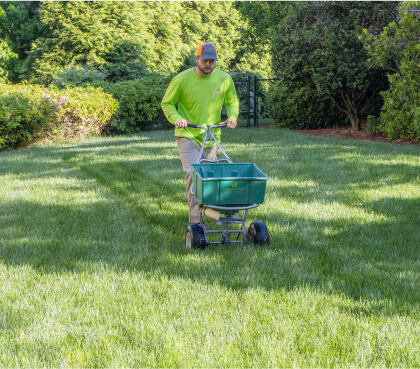
Simply Green combines preventive weed control, treatment for visible weeds, and seasonal fertilization based on what is growing in your yard. Bermuda and Zoysia need different timing from fescue, so the lawn does not receive the same application throughout the year. Grass type, weed activity, weather, moisture, and the condition of the turf all guide the service.
Your Six-Step Lawn Plan
ervice starts with the areas that concern you. The lawn is checked for thin grass, weeds, uneven color, bare sections, and changes near trees, pavement, slopes, or drainage areas.
This helps show whether weeds and nutrition are the main concerns or whether shade, compaction, irrigation, disease, or insects may also be affecting the grass.
Bermuda, Zoysia, and fescue respond differently to treatment. The grass must be identified before fertilizer or weed control is selected.
The weeds and their growth stages are also identified. Atlanta lawns may develop crabgrass, chickweed, henbit, clover, dandelion, nutsedge, or annual bluegrass. Some can be treated during the visit, while others need different timing.
The application is chosen according to the grass, weeds, season, temperature, and lawn condition. Treatment changes as the lawn’s needs change.
Warm-season Bermuda and Zoysia have different growing periods from cool-season fescue. Matching the application to conditions gives the grass what it can use during that part of its growing cycle.
Pre-emergent treatment helps stop certain seasonal weed seeds from establishing roots. It does not remove visible weeds or prevent every weed.
Post-emergent treatment targets suitable visible weeds. The application depends on the weed and surrounding grass. Established or difficult weeds may need more than one treatment.
Fertilizer follows the grass and growing season. Our program uses liquid and granular applications to support color, density, root development, or seasonal recovery when appropriate.
Lime may be included when appropriate for acidic soil. It is not a cure for thin or brown grass caused by shade, drainage, compaction, insects, disease, or irrigation.
Future visits account for changing weeds, temperatures, rainfall, and stages of grass growth. New weed activity and treated areas are reviewed as the program continues.
An area that is not improving may need a service adjustment or a closer look at mowing, watering, sunlight, compaction, disease, or pests. Contact us between visits with a new or continuing concern.
Care After Lawn Service
Follow the instructions after each visit because watering, mowing, and lawn access depend on the application. If a liquid treatment needs to dry, keep children and pets away until the stated re-entry time. Avoid mowing when the service instructions recommend waiting because cutting can remove treatment from weed leaves.
Do not automatically add water after service. Needs depend on the treatment, grass, season, rainfall, and soil moisture. Irrigation should reach the lawn evenly without running onto pavement or keeping shaded turf constantly wet.
Mow at a suitable height for your grass. Cutting too short can stress turf and leave space for weeds. Contact us about unexpected discoloration, spreading weeds, or another change after treatment.
Bermuda and Zoysia grow as Atlanta weather warms and usually become dormant after cold temperatures arrive. Fertilization should follow active growth. Weed control may still be needed during dormancy but must suit the grass and current conditions.
Fescue grows during cooler weather and often struggles through Atlanta heat. Fertilizer supports existing grass but cannot replace turf lost during summer. Fescue aeration and seeding may be recommended where new growth is needed.
Some properties have Bermuda in full sun and fescue beneath trees. Correct identification helps avoid treatment that suits one section but works against another.
Local Conditions Matter
Atlanta’s clay-heavy soil can become dense around driveways, gates, play areas, and walking routes. Compaction limits water and air movement toward roots, so turf may remain thin even with fertilizer. Liquid or core aeration may be worth considering.
Conditions change across small yards. Turf beside pavement dries quickly in summer, while grass beneath mature trees may receive less sun and stay damp after rain. Heavy downpours expose drainage problems, while dry periods reveal weak irrigation coverage.
These conditions affect grass growth and weeds. When an area keeps declining, sunlight, irrigation, drainage, mowing, compaction, pests, and disease may need review before more fertilizer is added.
Results You Can Expect
Recurring service follows changing weed cycles and grass growth. Preventive applications help reduce certain seasonal weeds before establishment. Targeted treatment addresses suitable visible weeds, while fertilizer supports active grass.
Progress differs by lawn. Seasonal weeds respond differently from established perennial weeds or years of thin turf. Bare ground will not fill in where grass cannot grow. The goal is fewer weeds, consistent nutrition, and stronger coverage.
Signs Your Lawn Needs Help
Professional weed control and fertilization may be worth considering when you notice.
These symptoms do not always mean the lawn needs more fertilizer. Shade, compacted soil, irrigation trouble, insects, disease, or incorrect mowing may create similar problems. Checking the lawn first helps identify the service that fits the cause.
Weed control and fertilization may be the main service or one part of a broader lawn plan.
Each service should address a clear lawn condition. We can explain whether another service is relevant instead of adding care the property may not need.
Supports movement through dense soil when compaction makes it harder for water and air to reach the roots.
Removes small plugs to create openings in compacted ground.
Helps restore cool-season grass thinned by Atlanta’s summer heat.
Addresses insects that damage grass blades or feed around the roots.
May help when moisture management around the root zone is part of the concern.
Lawn Care That Fits
Atlanta lawns do not need the same fertilizer or weed treatment in every season. Grass type, current weeds, soil conditions, sunlight, and recent weather all affect what the lawn needs. Simply Green follows those changes through nine scheduled applications instead of relying on occasional treatments.
Simply Green works with Atlanta’s clay-heavy soil, seasonal weeds, summer heat, and common lawn grasses every day. Your program follows the lawn in front of us, not a standard plan built for a different climate.
Atlanta Lawn Questions
You should not have to keep guessing which weed treatment to use, when to fertilize, or why the same section of grass continues to struggle. We can inspect your lawn, identify the grass and visible weeds, and explain what the property needs during the current season.
The service and pricing will be explained before scheduling. You will also receive instructions for watering, mowing, lawn access, and aftercare.
Get a free estimate for residential weed control and fertilization in Atlanta, GA, and start a lawn program built around your grass, property, and local growing conditions.