Residential Lawn Defense
Brown patches are not always caused by heat or a lack of water. Armyworms can chew through grass blades in a short time, while grubs feed on the roots beneath the soil. Either pest can leave an Atlanta lawn thin, weak, and slow to recover.
Simply Green provides residential armyworm and grub control in Atlanta. Service options include a once-yearly preventive application in spring and targeted treatment when active insects are found. The lawn is checked first so the service matches the pest and the type of damage.
Find the Cause Early
A section of grass may turn brown, feel loose, or look as though it was cut too short. Birds may begin gathering in one spot. In other cases, the lawn looks fine one week and noticeably thinner the next. Those changes can come from armyworms or grubs, but insects are not the only possible cause. Summer heat, dry soil, disease, irrigation trouble, and mowing damage can look similar at first.
That is why Simply Green begins with the lawn, not a guess. We assess the visible damage, check the grass and root zone, and look for signs of insect activity. If armyworms or grubs are present, the next step depends on whether the lawn needs active treatment or seasonal prevention.
Our Six-Step Pest Plan
The visit starts where the lawn has changed. We look at how quickly the damage appeared, whether it is spreading, and if it follows a clear pattern.
Armyworms eat the grass blades, so their damage usually shows above the soil. Grubs stay underground and feed around the roots. Knowing where the damage is happening helps us decide what to check next.
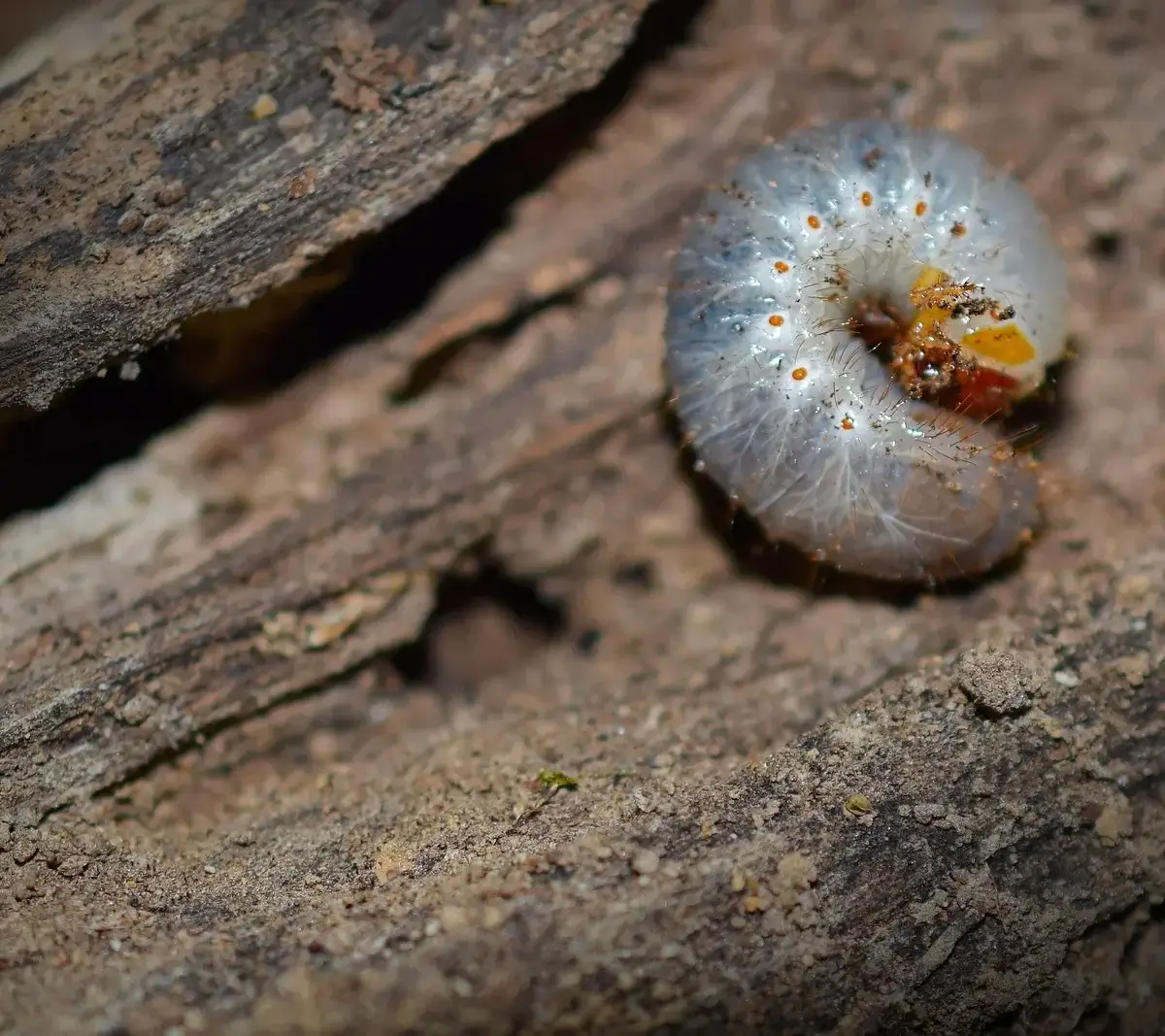
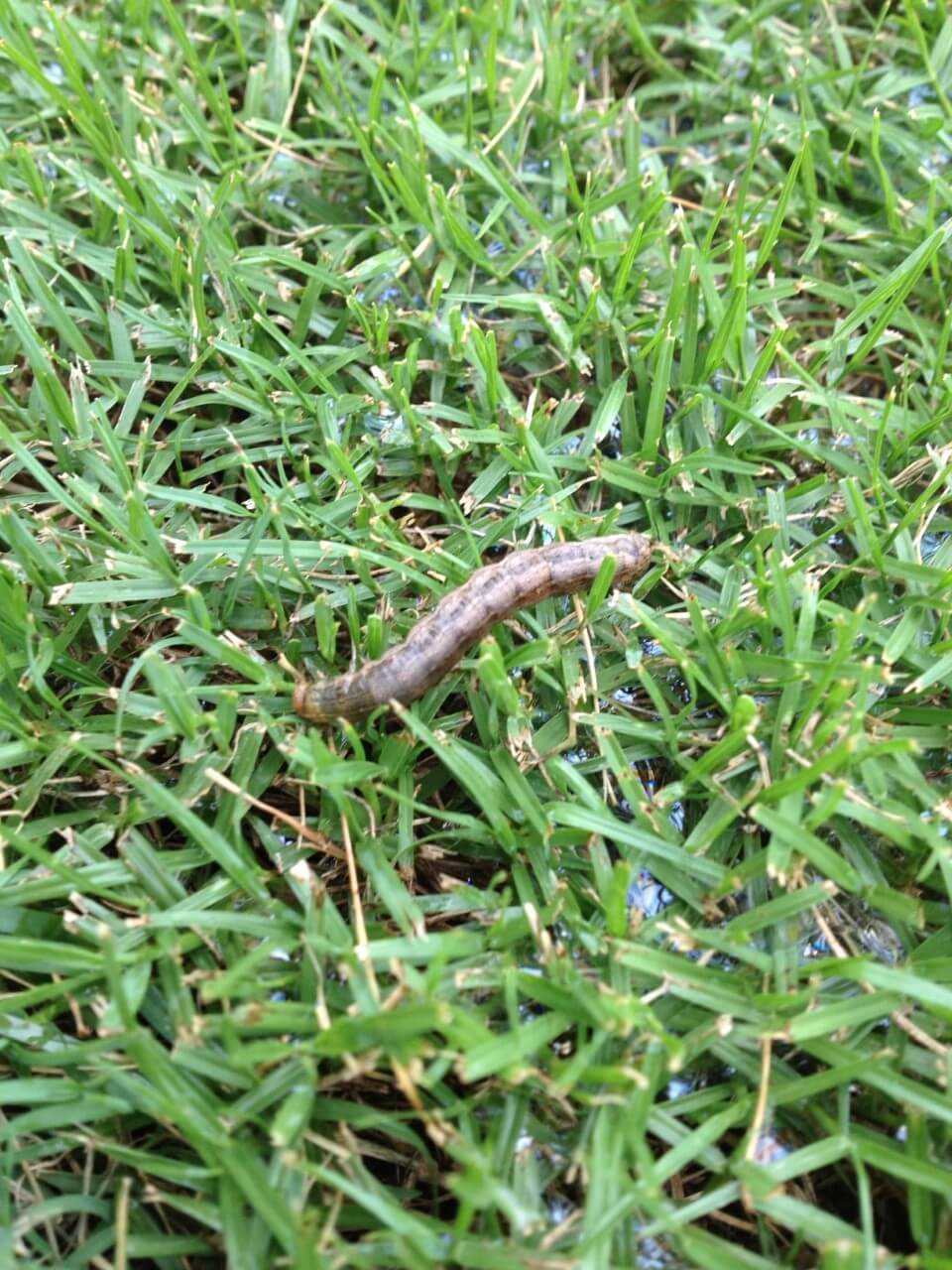
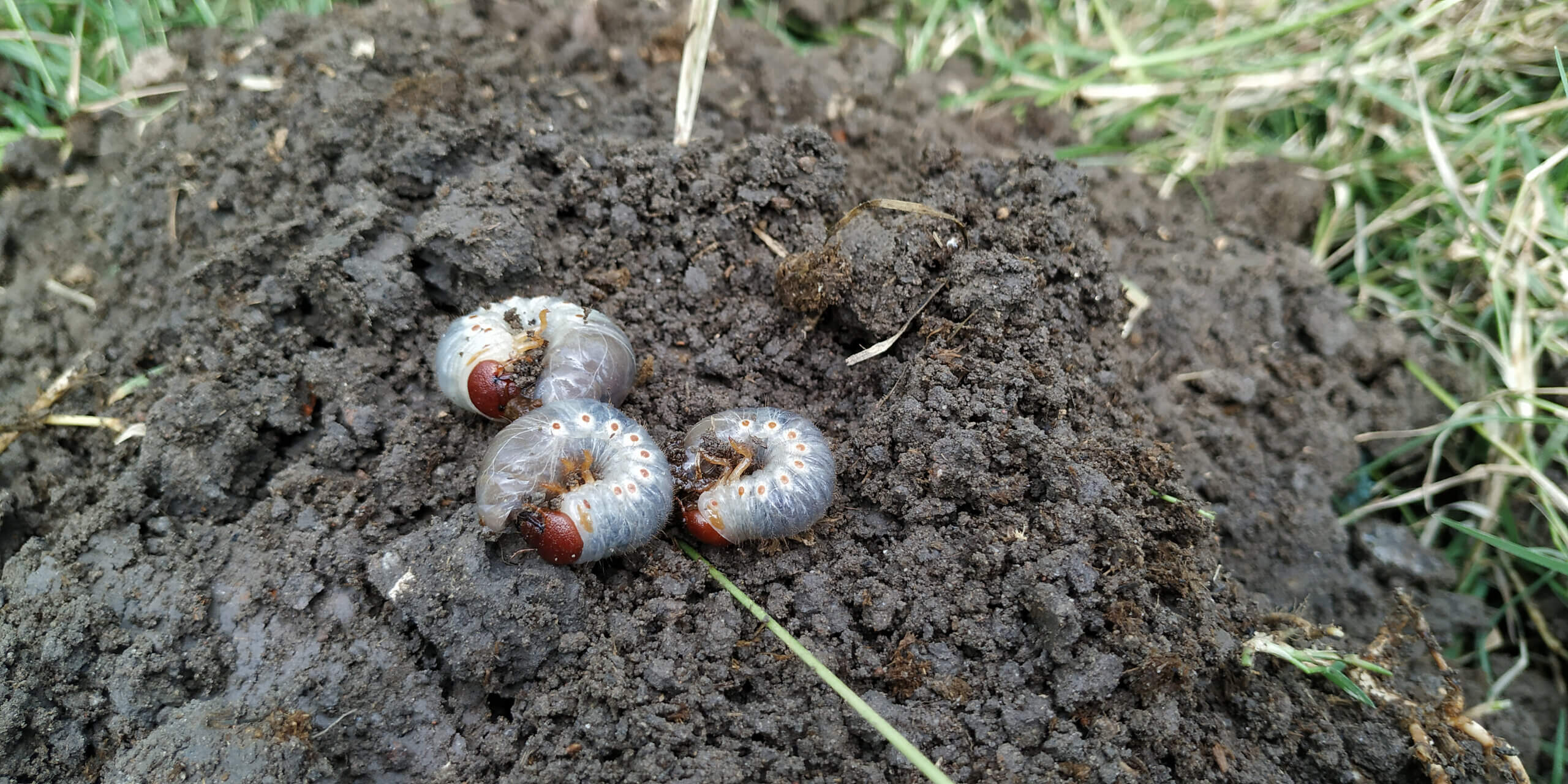
Grass blades, thatch, roots, and the upper layer of soil are checked for evidence of feeding. Armyworms are caterpillars and may be found moving through the turf. Grubs are pale, C-shaped larvae that usually sit close to the root zone.
Grub-damaged grass often feels loose or spongy. In heavier cases, part of the turf may lift because many of the roots have been eaten. According to the University of Georgia Cooperative Extension, yellowing, browning, and drought-like symptoms can also occur when grubs damage turf roots.
service is intended to protect the lawn during the growing season and is often a practical choice for properties with a history of armyworms or grubs.
Visible insects or fresh feeding damage call for a different approach. In that situation, treatment is aimed at the active population. We explain what was found and why a particular service makes sense before moving forward.
Treatment is applied where coverage is needed. For armyworms, that means reaching the grass where the caterpillars are feeding. Grub treatment needs to reach the soil and root zone.
Only spraying the first brown patch is not always enough. Insect activity may extend into grass that has not yet changed color, so the application area is based on the inspection rather than on the most obvious damage alone.
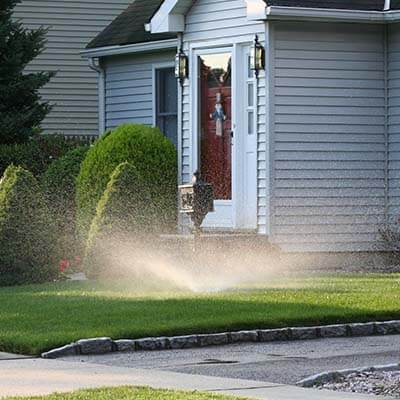
What happens after the application depends on the treatment used. Some materials need to remain on the grass for a period of time. Others need watering to carry them into the soil. The service instructions will explain which applies to your lawn.
People and pets should stay off treated areas until the stated re-entry time has passed. This gives the application time to settle and keeps the household from returning to the lawn too soon.
Killing the insects does not immediately replace damaged grass or roots. Recovery takes time, and the next step depends on how much healthy turf remains.
We may recommend fertilization or another lawn service to support the areas in question. Fresh chewing, spreading brown patches, or new insect activity should be reported promptly. Armyworm moths can move in from outside the property, so a later generation may require another treatment.
Care After Application
Follow the watering directions provided at the time of service. Watering too early can move a surface treatment before it has had time to work. Skipping irrigation when a grub application needs to reach the root zone can also reduce its effectiveness.
Mowing directions matter as well. If the grass needs time before it is cut, wait until the recommended period has passed. Once mowing resumes, use a sharp blade and avoid cutting the lawn unusually short. Damaged turf already has less leaf growth or fewer healthy roots, so scalping adds more stress.
Keep an eye on the treated areas over the next several days. Armyworm feeding should slow after active insects are controlled. Grub-damaged grass will take longer to show improvement because the roots must recover. Contact Simply Green if the damage continues to spread, caterpillars remain active, or new sections begin to loosen.
Signs Worth Checking
A lawn insect problem is easier to manage when the cause is found early.
These signs still need context. Compacted Atlanta clay, poor drainage, missed irrigation, fungal disease, dull mower blades, and summer stress can all affect the lawn. The goal is to find the actual cause before recommending a treatment.
Ragged tips or grass that suddenly looks closely cut may point to armyworm feeding.
Heat stress often follows a weather pattern. Insect damage may continue moving into nearby green turf.
Armyworms are often easier to spot around the edges of active damage or during cooler parts of the day.
Grubs can remove enough roots to change how the lawn feels.
Weak attachment between the turf and soil is a strong reason to check the root zone.
Birds pecking at one section or animals digging at night may be searching for lawn insects.
Prevention Before Feeding
Our preventive armyworm and grub application is completed once per year in spring. It is designed to protect the lawn during the active growing season, before a large insect population begins feeding.
Preventive service is different from treating an existing outbreak. It works best when completed at the proper point in the insects’ life cycles. Homeowners who have dealt with grub damage, armyworm feeding, or repeated turf insect activity may choose to add this service to their lawn care program.
No lawn remains separated from the surrounding environment. Moths fly in, beetles move between properties, and weather changes insect activity. Continue watching the lawn even after preventive service. New damage should be reported while the affected area is still limited.
Fast Care for Outbreaks
Active armyworms need attention because they feed quickly. Once they are identified, Simply Green applies a targeted treatment to control the caterpillars currently in the lawn. The treatment provides 14 days of control. A later generation or new armyworm activity may require re-treatment.
Grub treatment is used when larvae are already feeding beneath the soil surface. It controls the current grub population and provides up to 28 days of control against new activity. If grubs return after that period, another application may be needed.
Those time frames refer to insect control, not complete lawn recovery. Grass with limited damage may fill back in during its growing season. Larger areas with heavy blade or root loss may need fertilization or other support after the insects are under control.
Protect Grass and Roots
Armyworms and grubs can both turn grass brown, but they damage different parts of the lawn. Simply Green checks the grass blades, roots, soil, and damage pattern before recommending prevention or active treatment.
Atlanta heat, rainfall, and active turf growth can affect insect activity. Simply Green responds to what is happening in the lawn instead of treating every brown area as the same problem.
Support the Whole Lawn
nsect control addresses the pest, but another lawn condition may also be contributing to weak growth. Simply Green offers related residential services tailored to the property’s needs.
Not every lawn needs every service. Recommendations are based on the grass, soil, season, and problems identified during the visit.
Weed control and fertilization provide scheduled nutrition and weed management for Bermuda, Zoysia, and fescue lawns.
Liquid aeration is an option for lawns where hard soil limits the movement of water and air.
Core aeration removes small soil plugs to reduce compaction and open the root zone.
Fire ant control treats suitable lawn and landscape areas for existing colonies and continued protection.
Flea and tick control focuses on outdoor areas where those pests are more likely to rest or travel.
Common Customer Questions
Chewed grass, loose turf, spreading brown patches, or unusual bird activity should not be left to guesswork. Simply Green will check the affected areas, look for armyworms and grubs, and explain whether the lawn needs spring prevention, active treatment, or support after damage.
A timely visit can stop additional feeding before more of the lawn is affected. Start with an evaluation and get a clear plan based on what is happening in your grass, not a one-size-fits-all recommendation.