Residential Lawn Aeration
Hard ground can retain water near the surface rather than allowing it to move toward the grass roots. You may notice runoff, thin turf, shallow roots, or soil that is difficult to push a screwdriver into even after watering.
Simply Green provides residential core aeration in Atlanta, GA. A core aerator removes small plugs of soil from suitable lawn areas, creating openings for water, air, and nutrients. Service is timed for the grass growing in your yard, with Bermuda and Zoysia generally aerated during spring or early summer and tall fescue aerated during fall.
When Lawn Soil Gets Hard
Atlanta’s clay-heavy ground can become compacted through mowing, foot traffic, pets, play, and regular lawn equipment. The pressure pushes soil particles closer together. Water may begin to run down a slope or sit in low areas, while roots have less room below the surface.
Simply Green checks the lawn before recommending aeration because those signs do not always come from compaction. A broken sprinkler, poor drainage, lawn disease, insects, shade, or mowing damage can create similar problems. Core aeration is useful when hard soil is limiting the lawn, not when another issue needs to be handled first.
Your Six-Step Lawn Plan
We begin with the areas where the grass is thin, the ground feels hard, or water no longer soaks in evenly. The soil, grass, thatch, slope, and irrigation pattern all help show whether compaction is part of the problem.
A lawn does not need aeration simply because one section has turned brown. Finding the likely cause first keeps the recommendation useful.
Some parts of a yard receive more pressure than others. Gates, play spaces, pet routes, walkways, and paths between outdoor areas may become firm before quieter sections.
Slopes and grass near pavement also deserve attention. These areas often experience runoff, reflected heat, and repeated foot traffic simultaneously.
Core aeration is most useful while the grass is actively growing and able to recover. Bermuda and Zoysia are generally aerated in spring or early summer after they have emerged from winter dormancy.
Tall fescue is normally aerated in fall. The service is often paired with fescue aeration and seeding because the openings improve seed-to-soil contact.
The ground should be moist enough for the machine to pull useful plugs, but not soaked. If the soil is dry, you may receive watering instructions before the visit.
Sprinkler heads, valve boxes, shallow irrigation components, invisible pet fences, drainage components, and other objects near the surface must be marked. Move toys, hoses, pet items, and portable furniture from the lawn. Gates also need to be unlocked.
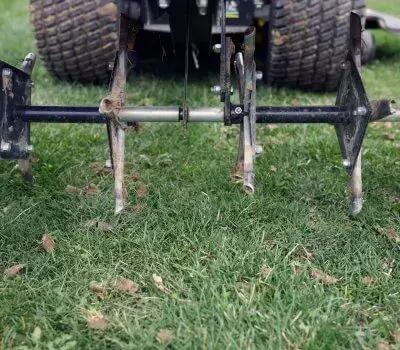
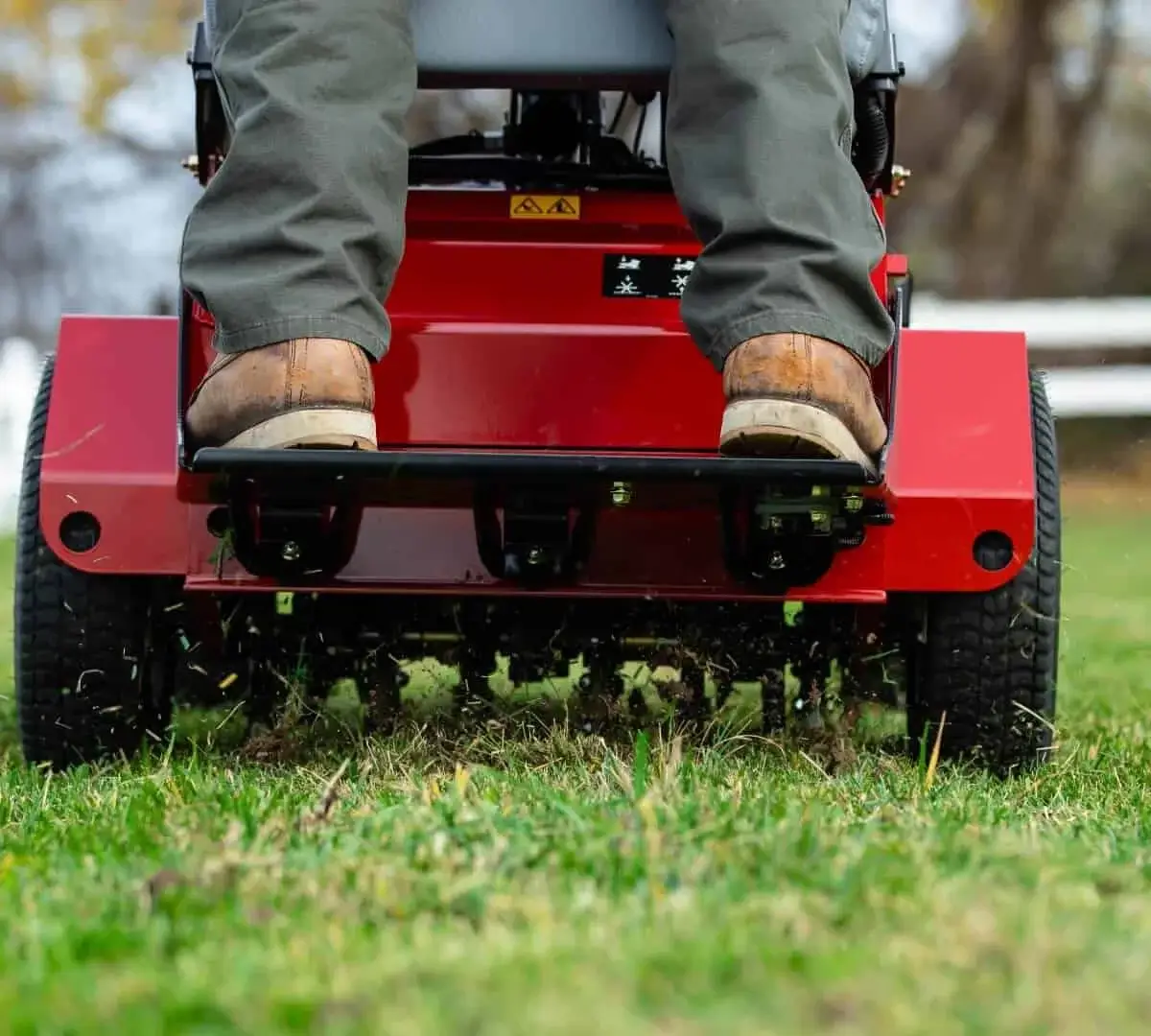
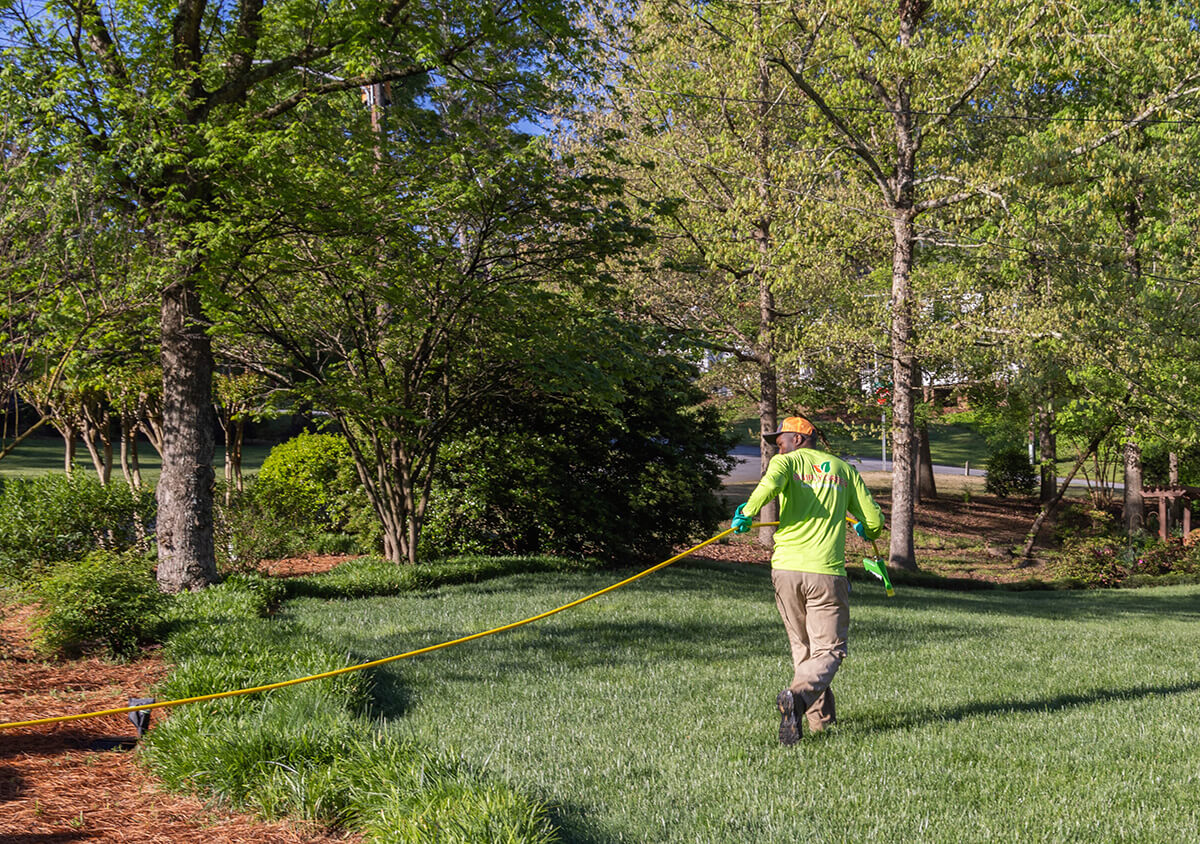
The core aerator moves across accessible lawn areas and pulls small plugs from the ground. These openings relieve surface compaction and give water and air another route into the soil.
Fixed features, steep sections, narrow side yards, and unmarked obstacles may limit where the equipment can go. We cover suitable areas that can be reached safely.
Soil plugs remain on the grass after aeration. This is expected, and they should not be collected. Rain, irrigation, mowing, and normal lawn use will break them apart over time.
Before the visit is complete, you will know when to water, when mowing can resume, and when the lawn can be used normally again.
Care After Core Aeration
Leave the soil plugs where they fall. The lawn may look untidy for several days, but raking or collecting the cores removes soil that will naturally return to the turf. As the plugs break apart, the material settles back between the grass plants.
Follow the watering directions provided after service. Moisture supports the grass and helps soften the cores, but extra water will not make them disappear faster. Too much irrigation may create runoff or leave low areas saturated.
Wait for the recommended period before mowing. Once mowing resumes, use the proper cutting height for your grass type and a sharp blade. The mower will help break up any remaining plugs.
Keep vehicles, heavy equipment, and repeated traffic off damp turf. Freshly aerated ground can be pressed together again when a heavy weight is applied to it. If fescue seed was added, foot traffic should remain light while the new grass begins growing.
Watch the areas that were struggling before service. Core aeration improves soil access, but it cannot repair drainage, fix irrigation issues, or treat insects and diseases. Contact Simply Green if the same section remains unusually hard, wet, or thin after the lawn has had time to respond.

Make Watering More Useful
Water cannot support the lawn when it runs across the surface and leaves the yard. Hard soil is one reason this happens. The openings left by core aeration give rainfall and irrigation another way into the ground.
Better entry does not mean every drainage problem is solved. Water collecting beside a downspout, at the bottom of a slope, or over a damaged drain may require separate work. Uneven sprinkler coverage also needs irrigation attention.
Your watering schedule will still depend on grass type, rainfall, temperature, shade, and soil moisture. Aeration improves the path into the soil. It does not create one watering schedule that fits every Atlanta lawn.
The University of Georgia Cooperative Extension notes that aeration can help reduce soil compaction and improve the movement of water, air, and nutrients in lawns with high clay content.
Give Roots More Room
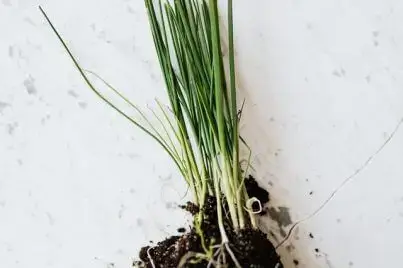
Healthy grass depends on what is happening beneath the surface. Roots need room to grow and access to water, air, and nutrients. When the soil is tightly packed, roots may remain shallow, and the lawn may show signs of stress sooner in hot or dry weather.
Core aeration creates physical space around the root zone. Fertilizer and water also have a clearer route through the surface after plugs are removed.
Aeration may also help with excess thatch. Thatch is the layer of old stems, roots, and plant material between the green grass and the soil. A thin layer is normal. When it becomes too thick, it can slow water movement and separate the grass from the ground below.
Core aeration does not replace mowing, irrigation, fertilizer, or weed control. It supports the soil so those parts of lawn care can work under better conditions.
Know When Soil Is Packed
One symptom is not enough to confirm compaction, but several together can make aeration worth considering.
These signs can also point to irrigation, drainage, insects, disease, or shade. Simply Green checks the lawn so another problem is not mistaken for compaction.
A screwdriver or soil probe is difficult to push into moist soil.
Rain or irrigation moves downhill before soaking into the ground.
Gates, play areas, pet paths, and walkways are subjected to repeated pressure.
Turf loses color quickly when the upper soil dries.
Water has trouble moving through the layer between the grass and soil.
Regular play, mowing, pets, and equipment can gradually compact the soil.
Aerate at the Right Time
Warm-season and cool-season grasses should not be aerated on the same calendar.
Bermuda and Zoysia recover most effectively while actively growing. In Atlanta, that generally means spring or early summer after the grass has greened up. Aerating dormant warm-season turf reduces its ability to fill the openings.
Tall fescue grows most strongly in cooler weather. Fall aeration prepares the soil for seeding and gives new roots time to develop before the next Atlanta summer.
Weather and lawn condition still matter. Saturated ground can be damaged by heavy equipment, while very dry soil may not release useful plugs. Service timing follows the grass and current conditions rather than the month alone.
Core or Liquid Aeration
Core and liquid aeration both address compacted soil, but they do not work the same way.
Core aeration mechanically removes small soil plugs. The holes and plugs are visible for a short time, and shallow objects must be marked before service.
It is often a useful choice for very firm soil and fescue lawns receiving fall seed.
Liquid aeration is sprayed over suitable turf. It does not remove soil or leave plugs behind.
This option can reach narrow sections, fence lines, and areas where a larger aerator has limited access. It also avoids mechanical tines around shallow lawn features.
Some yards may benefit from both approaches at different times. Simply Green considers the soil, grass, access, obstacles, and reason for treatment before recommending one.
Aeration should solve a soil problem, not become another service added automatically. Simply Green looks at the lawn, checks the timing, and explains what core aeration can realistically improve.
Runoff, thin grass, and standing water can come from several causes. We check the soil and surrounding lawn conditions before recommending mechanical aeration.
If irrigation, drainage, disease, or insects are responsible, we explain what needs attention instead of presenting core aeration as the answer.
Bermuda and Zoysia are generally aerated during spring or early summer. Tall fescue is handled during fall and may receive seed at the same time.
That seasonal timing gives the lawn a better opportunity to respond while it is actively growing.
Simply Green provides practical instructions for soil moisture, mowing, marking shallow objects, watering, traffic, and aftercare.
You will also understand why the plugs should remain on the lawn and when normal mowing and yard use can resume. The process stays clear from preparation through recovery.
More Help for Your Lawn
Core aeration supports compacted soil. The lawn should receive the service that matches the problem found.
Liquid aeration provides soil support without pulling plugs.
Fescue aeration and seeding renew suitable thin fescue in the fall.
Hydretain Water Saver helps keep available moisture near grass and plant roots.
Weed control and fertilization provide scheduled lawn nutrition and weed management.
Armyworm and grub control addresses insects feeding on grass blades or roots.
Common Aeration Questions
If water runs across hard soil or grass remains thin in heavily used areas, core aeration may give the roots better access to the soil below. Simply Green will check the lawn, confirm whether compaction is present, and choose a timing that suits your grass.
Request an estimate for residential core aeration in Atlanta. You will receive a clear recommendation, yard-preparation instructions, and practical aftercare before the service is scheduled.