Residential Fire Ant Care
Finding fire ant mounds near your patio, play area, or pet route? Simply Green provides residential fire ant control in Atlanta, GA, with treatment across suitable lawn and landscape areas.
The application controls existing colonies and helps prevent new colonies from becoming established for up to one year. Instead of chasing one visible mound at a time, the service gives the treated property broader protection.
Stop Chasing Ant Mounds
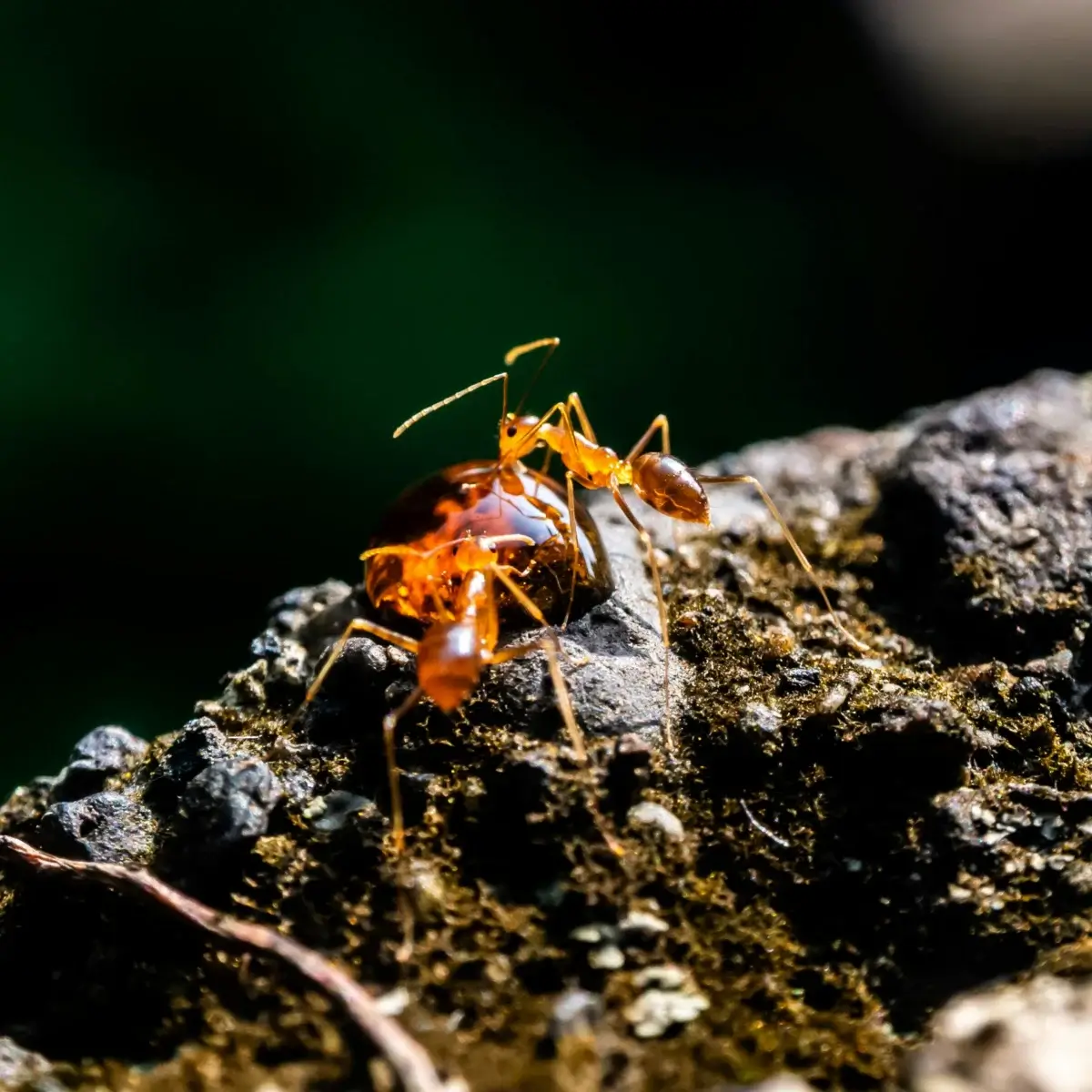
Fire ant mounds near patios, sidewalks, play areas, pet routes, and garden edges can make your yard harder to use. Imported fire ants remain active through much of Atlanta’s warm season, and their mounds may become more visible after rain because moist soil is easier to move. The mound is only the visible part of a colony that continues below the ground.
Simply Green applies fire ant treatment across suitable lawn and landscape areas instead of focusing only on individual mounds. The application controls existing colonies and remains active in treated soil, helping prevent new colonies from becoming established for up to one year. This broader treatment provides practical protection for the outdoor areas your household uses regularly.
Your Six-Step Ant Plan
Tell us where mounds or ant activity have been noticed. Common locations include open turf, landscape edges, sidewalks, driveways, play areas, pet routes, patios, utility boxes, and sunny sections of the yard.
The property is checked for visible mounds and areas where fire ants may establish colonies. This first look also helps identify gardens, water features, pet areas, and other spaces that need care during treatment.
Not every ant found in a yard is a fire ant. The mound, ant activity, location, and surrounding conditions are reviewed before service begins.
Fire ant mounds often appear as loose or fluffy soil without an obvious opening in the center. However, mound appearance can change with weather and soil. Treatment should be based on the actual pest rather than the presence of any ant near the lawn.
The lawn and suitable landscape areas are prepared for a broader application. Vegetable gardens, ponds, play equipment, pet items, toys, and other sensitive or movable items are noted before work starts.
Gates should be unlocked, and loose objects should be removed from the treatment area. Tell us about recent lawn products, newly installed sod, drainage work, or areas that should not receive an application.
Fire ant control is applied across suitable parts of the property according to the product label. Treating a broader area reaches more than the visible mounds and helps manage colonies that have not yet produced an obvious pile of soil.
The product controls existing colonies and leaves a residual effect in treated ground. Residual means the application remains active in the soil after service rather than working only at the moment it is applied.
Rainfall or irrigation helps move the product into the soil, where fire ants travel and forage. Follow the watering directions provided after service. The amount and timing may depend on recent rain, soil moisture, and the application.
Do not flood the yard or allow water to run onto pavement. Atlanta’s clay-heavy soil can stay wet after storms, so automatic irrigation may need to be adjusted for current conditions.
Continue checking the yard after treatment, especially around play areas, pet routes, sidewalks, and landscape edges. Existing activity should decline as ants come into contact with the treated area.
Contact us if new mounds or continuing activity appear. Tell us where the ants are being seen and when the mound first became noticeable. This information helps us understand whether the activity is inside the treated area or may be moving in from nearby ground.
Care After Fire Ant Service
Keep children and pets away from treated areas until the application has been watered in and the lawn is ready for use according to the service instructions. Re-entry requirements depend on the product and conditions, so follow the directions provided for your property.
Do not disturb, kick, flatten, or dig into visible mounds after service. Fire ants can respond quickly when a colony is disturbed. Give the treatment time to work through the soil.
Follow the watering guidance rather than adding extra irrigation automatically. Recent rain, clay soil, slopes, and low areas can change how much water the lawn needs. Contact us if activity continues or a new mound appears after treatment.
Protect Busy Yard Areas
Fire ants can establish colonies almost anywhere suitable soil is available, but certain parts of a residential property deserve closer attention.
A mound in a busy area deserves attention, but the visible mound is only one part of the colony. Whole-area treatment gives the property broader coverage than treating each pile of soil as a separate problem.
Mounds near play sets, open turf, or sand and soil edges can put children close to active ants.
Dogs and other pets may step on or investigate a mound while crossing the yard.
Colonies may develop beside concrete, pavers, steps, and sunny lawn edges.
Warm, open ground near pavement can support mound activity.
Loose soil, mulch edges, and irrigated areas can provide suitable locations.
Fire ants may build near electrical boxes, irrigation equipment, or other protected spaces.
Fire Ants in Atlanta
Atlanta’s warm weather gives fire ants a long period for foraging and colony activity. Mounds may become more visible after rain because moist soil is easier for ants to move. During hot or dry weather, activity can continue deeper in the ground even when the mound is less noticeable.
Irrigated lawns and landscape beds may remain attractive when nearby soil becomes dry. Open, sunny turf can also provide suitable ground for colonies. Fire ants do not stay within fences or property lines, so activity in neighboring yards, common areas, or untreated ground may affect what appears on your property.
The University of Georgia Extension explains that fire ant control can involve treating individual mounds or applying treatment across a wider area. Our service uses a broader property treatment to control existing colonies and help prevent new colonies in suitable treated areas for up to one year.
Signs You Need Treatment
Avoid standing over or disturbing a mound to confirm activity. Tell us where the mound is located and how long it has been visible.
Fire ants may not be the only pests affecting your lawn or outdoor spaces.
Focuses on shaded grass, fence lines, pet routes, and other places where fleas and ticks may remain.
Treats suitable mosquito resting areas and water-holding locations every three weeks.
Addresses insects that damage grass blades or feed around the roots.
Supports residential turf with seasonal weed treatment and grass-type fertilization.
Provides seasonal care for ornamental trees and shrubs.
Broader Fire Ant Care
Treating one mound at a time can leave other colonies active below the soil. Simply Green applies granular fire ant treatment across suitable lawn and landscape areas, addressing more than just the loose dirt visible on the surface.
Atlanta heat, rainfall, irrigation, and nearby untreated land can all affect fire ant activity. Simply Green provides broad yard coverage and clear guidance when new activity appears.
Atlanta Fire Ant Questions
You should not have to inspect every step before walking across your lawn or letting your family use the yard. Treating one mound after another may also leave colonies active elsewhere on the property.
Simply Green can check the areas where fire ants are being seen, explain how the broader lawn treatment works, and provide the preparation, watering, re-entry, and follow-up instructions you need. The recommended service and pricing will be explained before scheduling.
Get a free estimate for residential fire ant control in Atlanta, GA, and protect the outdoor areas your household uses most.