Lawn & Pest Care in Lawrenceville
We provide lawn care, mosquito control, and lawn pest services for Lawrenceville homeowners. We inspect the areas where you are seeing a problem, review the turf, soil, moisture, and surrounding landscape, and explain the recommended service and pricing before scheduling.
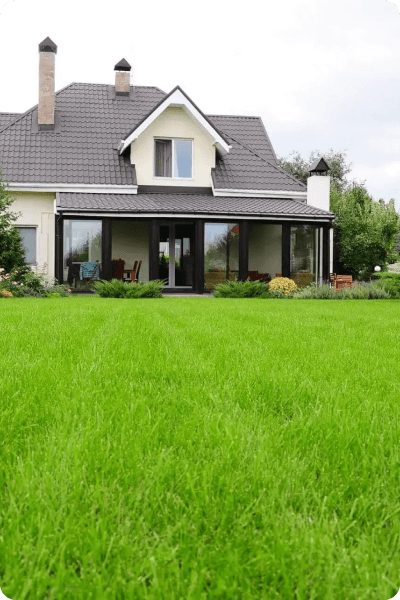
Lawn Care for Lawrenceville Turf
A lawn can lose color or density for several reasons. Compacted soil, uneven watering, shade, heat, turf type, root competition, and seasonal stress can all affect how the grass grows, so adding fertilizer or water without checking the condition first may not solve the problem.
Simply Green offers weed control, fertilization, core aeration, Hydretain Water Saver, and fescue aeration and seeding. We base recommendations on what we find in the lawn and surrounding soil.
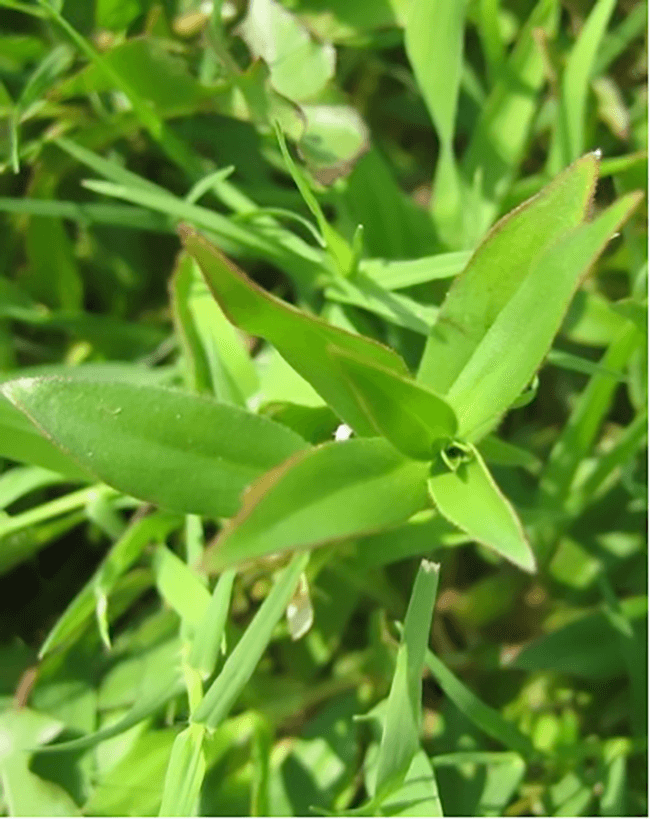
Weed control starts with identifying what is growing and when it appears. Different weeds become active during different parts of the year, and treatment may involve preventive applications before emergence or targeted treatment after weeds are already established.
We also look at the condition of the surrounding turf. Thin areas can leave more room for unwanted growth, so separate lawn care may be appropriate where grass coverage has declined.
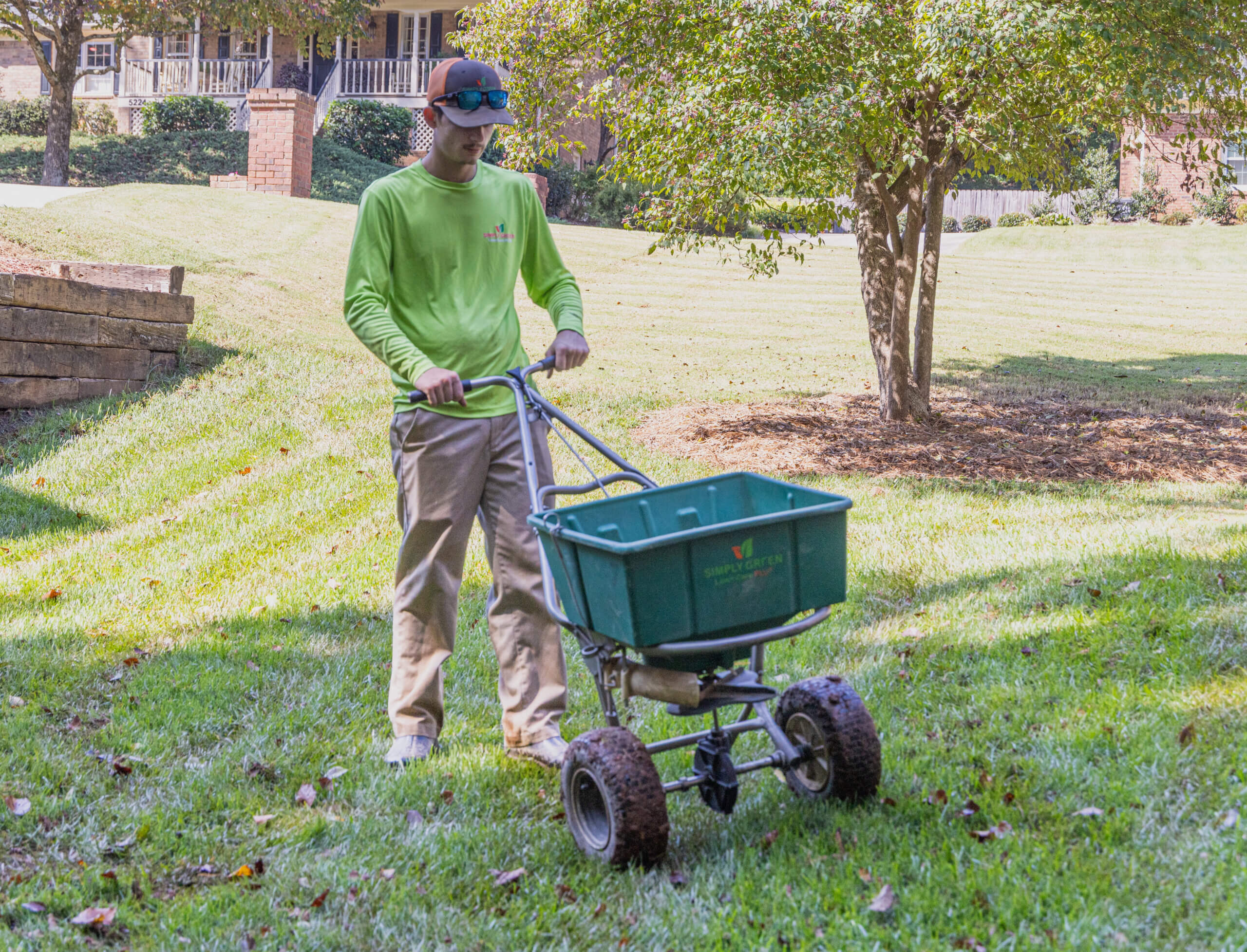
Fertilization is planned around the turf type, season, and current condition of the lawn. Grass does not need the same nutrient support throughout the year, and applications are timed according to the stage of growth.
The service is used to support root development, color, turf density, and seasonal recovery. We avoid treating fertilization as the answer to every lawn problem.
Lawrenceville lawns with clay-heavy soil can develop compacted sections, especially where people, pets, or equipment repeatedly cross the same areas. Dense ground can make it harder for water and air to move through the soil around the roots.
Core aeration removes small plugs of soil to create openings through compacted sections. We check soil density, turf condition, and water movement before recommending the service.
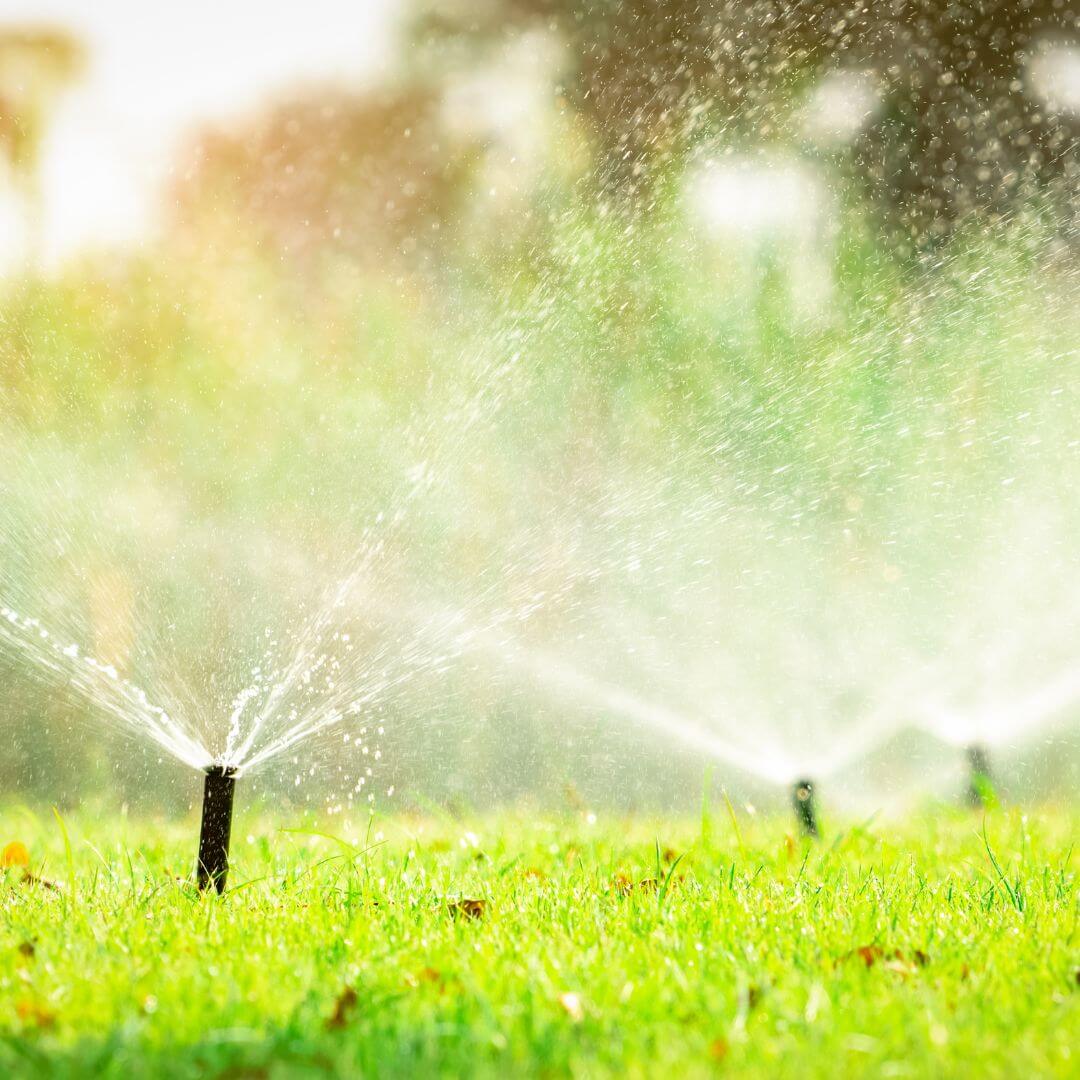
Moisture can vary considerably across a lawn. Sunny sections may dry sooner, slopes can shed water, and irrigation coverage may leave some areas receiving less moisture than others.
Hydretain may be used when moisture management is part of the lawn care plan. It works alongside rainfall and regular irrigation and does not replace normal watering.
Fescue may lose density after summer heat, foot traffic, disease pressure, and periods of moisture stress. Thin sections can become more visible where the lawn has struggled through the warmer months.
Aeration prepares compacted soil and improves seed contact with the ground. Seeding adds new turf where coverage has declined, and we provide watering and mowing instructions for the establishment period.
Mosquito Service in Lawrenceville
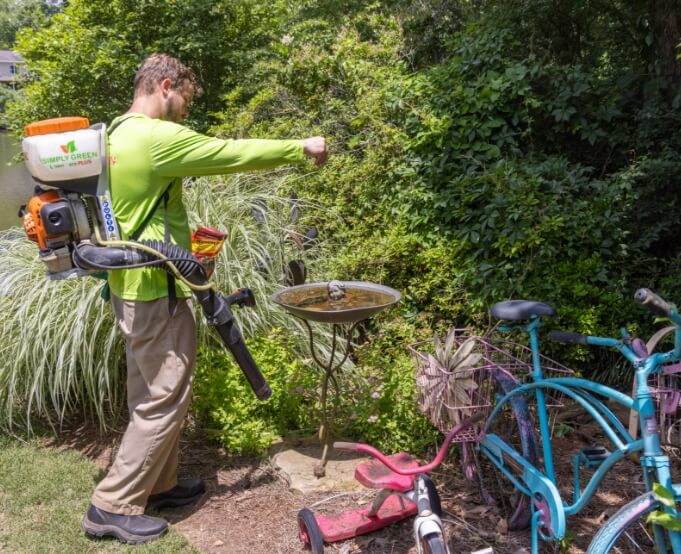
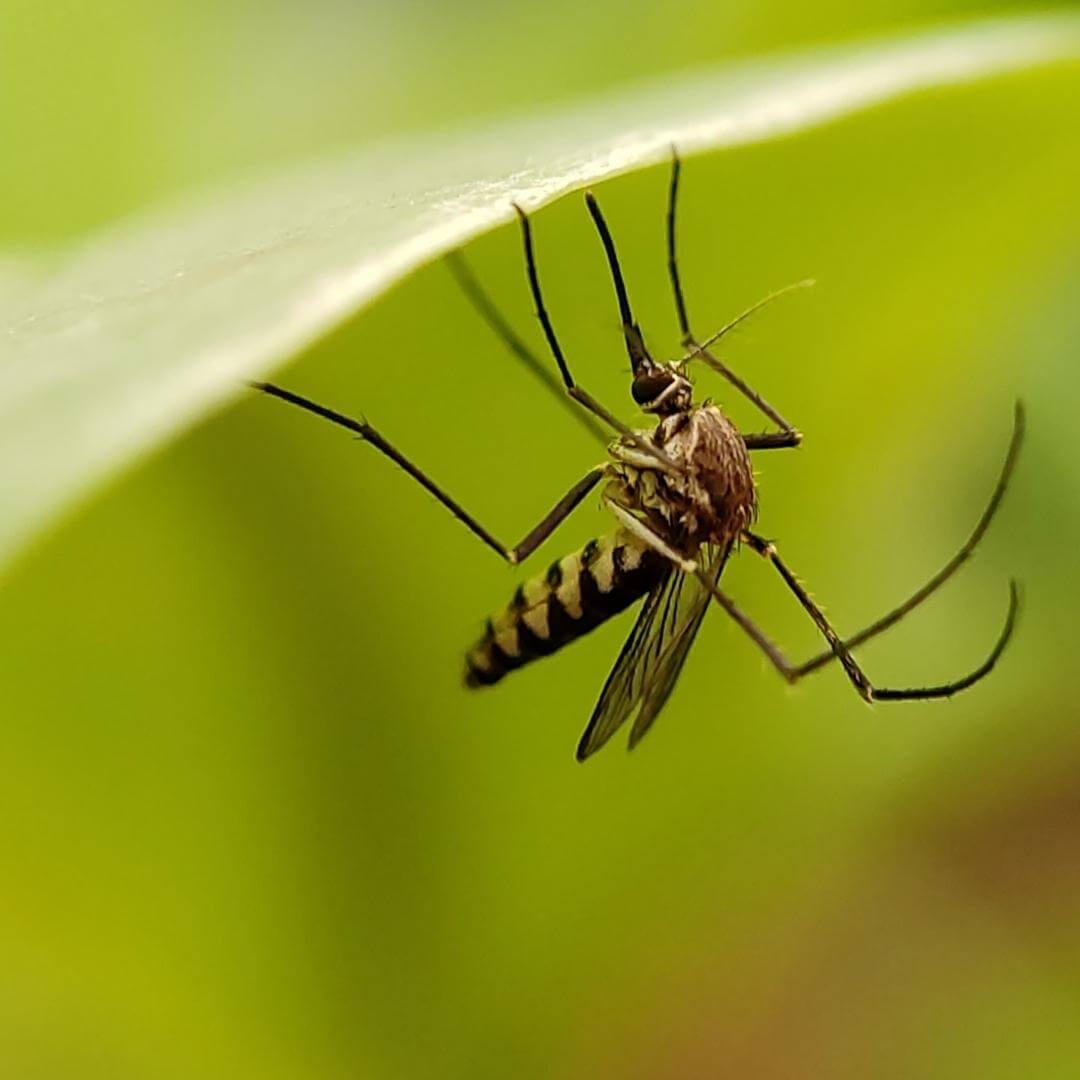
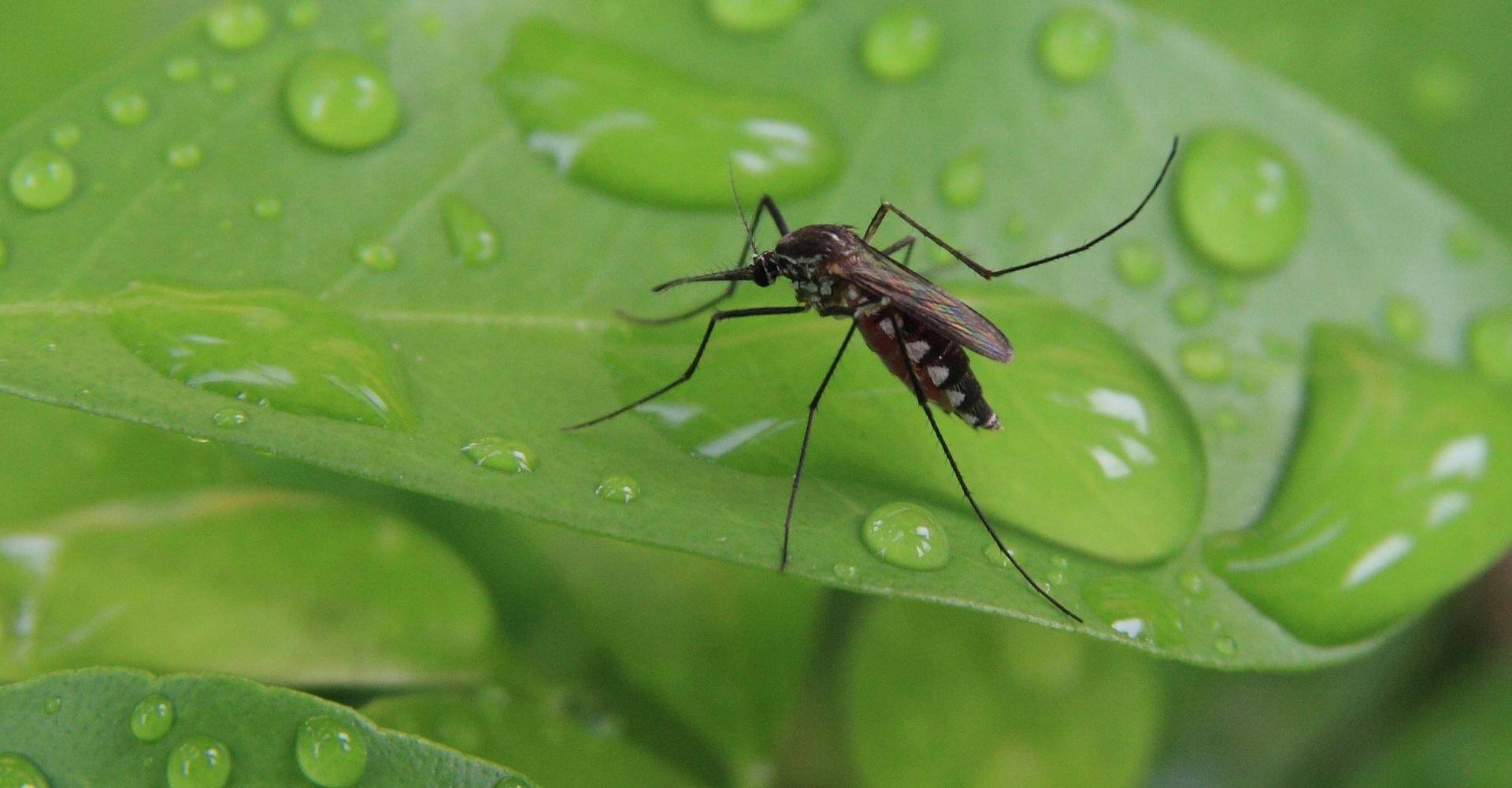
Mosquito activity is often concentrated around shaded vegetation and locations where water remains after rainfall or irrigation. Thick shrubs, ground cover, landscape beds, gutters, containers, and drainage areas can all provide suitable conditions.
Simply Green checks the places where adult mosquitoes may rest along with locations where water collects before treatment begins.

Adult mosquitoes often remain in protected foliage during the day. We inspect shrubs, ground cover, landscape beds, property edges, and vegetation near entrances, patios, walkways, play areas, and other outdoor spaces.
Tell your technician where mosquito activity is most noticeable. That information helps us look more closely at nearby vegetation and water sources during the visit.
Water can collect in gutters, plant saucers, toys, buckets, tarps, containers, drainage areas, and low sections of the yard. Even small amounts can remain after rain long enough to become relevant to mosquito activity.
We check these common collection points during service. Avoidable water should be emptied or corrected when practical, while suitable standing-water locations may receive treatment when appropriate.
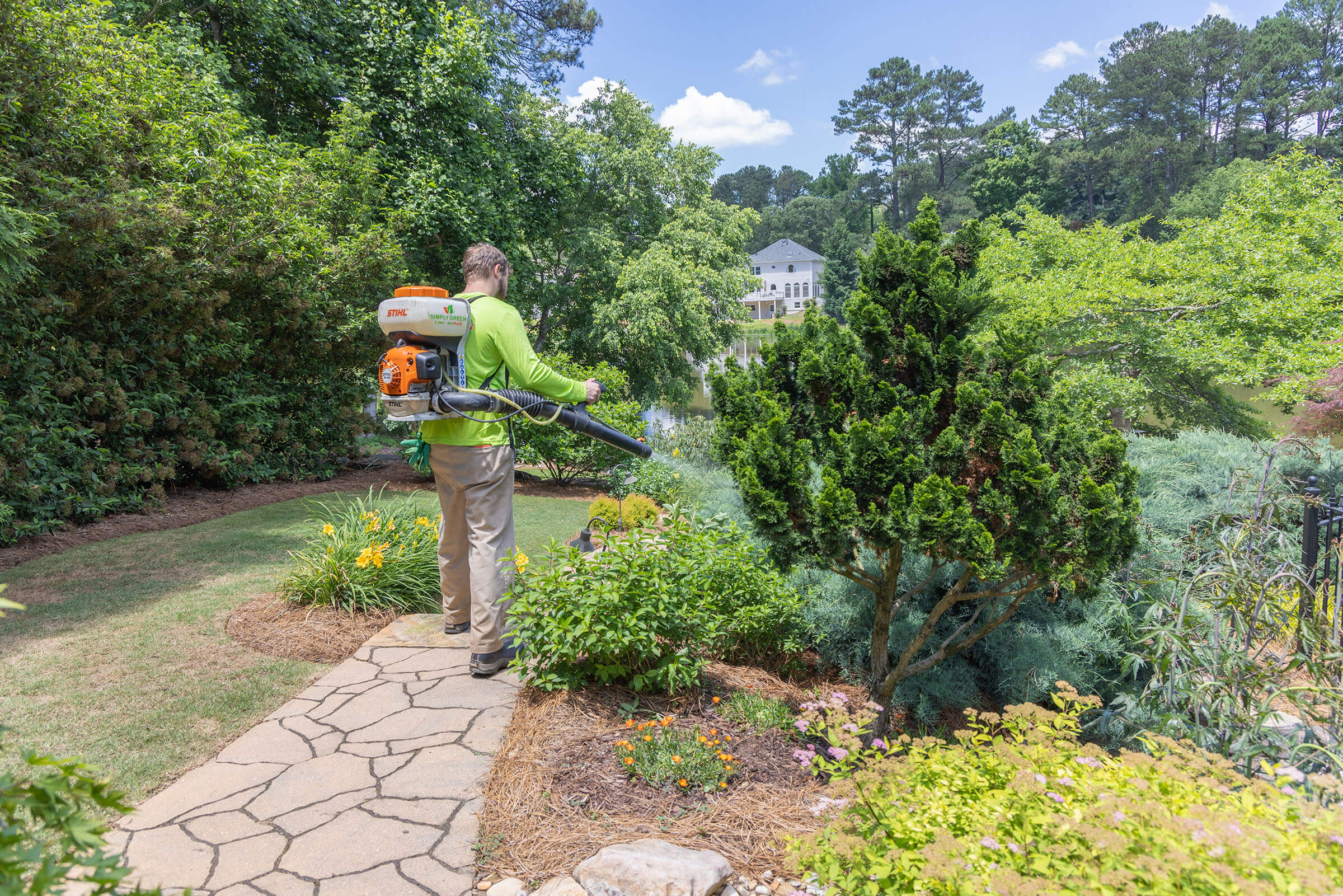
Adult mosquito treatment focuses on shaded foliage and protected vegetation where mosquitoes are likely to rest. Suitable standing-water areas may also be treated for developing larvae.
Vegetation near property boundaries can also be checked when surrounding conditions appear connected to activity in the yard. Simply Green uses EPA-registered products applied according to label directions.
Simply Green schedules mosquito service every three weeks during the program. Conditions may change between visits as rainfall creates new water sources, vegetation becomes denser, and mosquito activity shifts around the property.
At each scheduled visit, the technician checks current conditions and treats appropriate areas. If mosquito activity returns within 14 days of treatment, contact Simply Green so we can reassess the property and provide retreatment when appropriate.
Lawn Pest Services
Lawn pests can leave different signs depending on where and how they feed. Chewed blades may point to one problem, while loose turf or damaged roots can point to another. Fire ant mounds, fleas, ticks, and other visible activity require a different approach.
Simply Green inspects the affected section before recommending treatment. Lawn pest services in Lawrenceville include fire ant control, armyworm control, flea and tick control, and grub worm management.
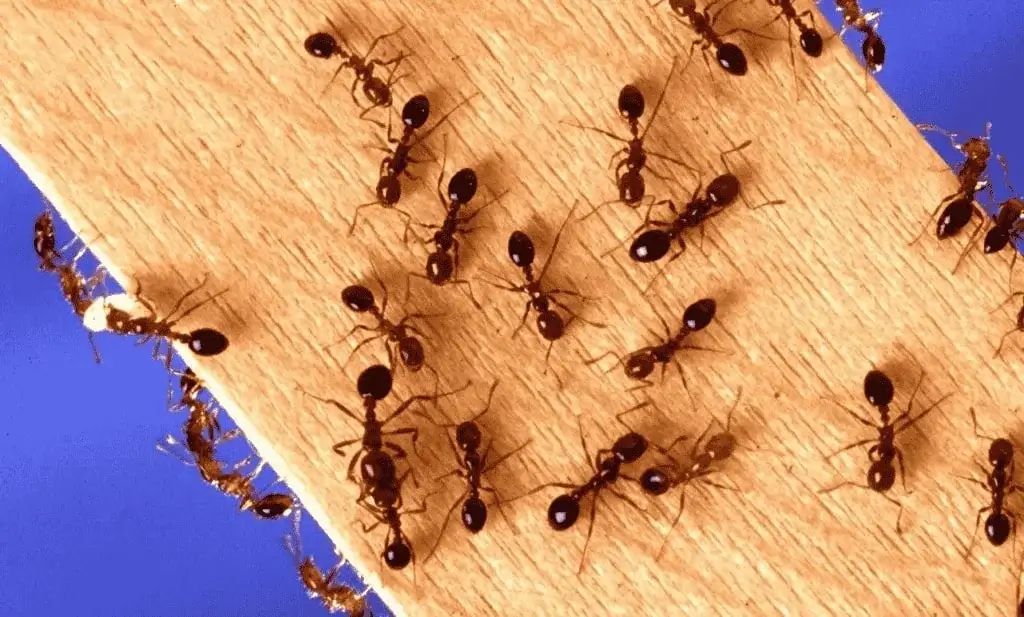
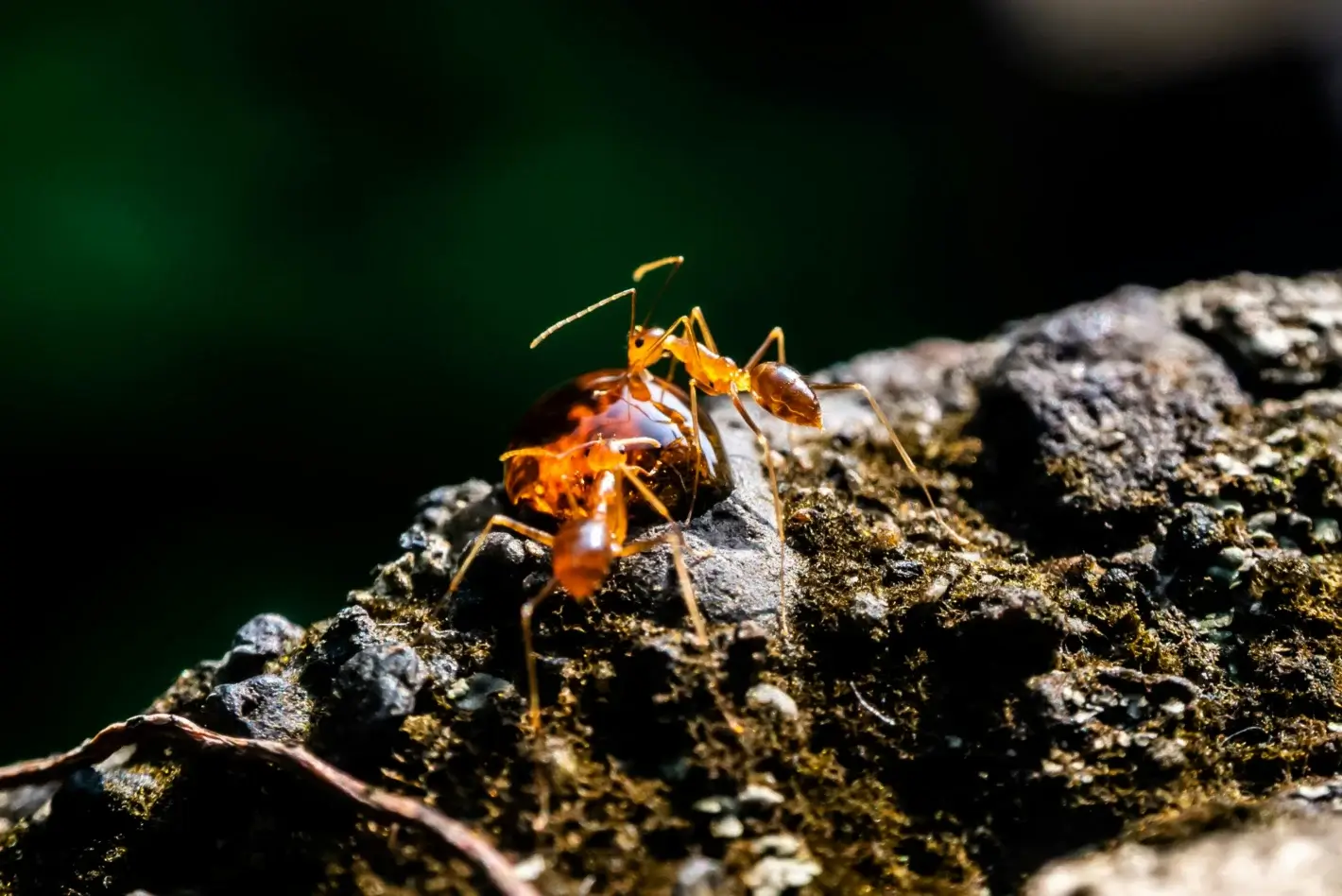
Fire ant colonies may appear in open turf, around landscape beds, or along lawn edges. Visible mounds can show where activity is occurring, although the colony itself remains below the surface.
Simply Green treats established colonies within the serviced portions of the property to reduce fire ant activity.
Armyworms feed directly on grass blades and may cause sections of turf to decline over a relatively short period. Chewed grass or visible caterpillars moving through the lawn can provide signs that activity is present.
We inspect the affected turf before recommending treatment because heat, disease, and other lawn conditions can create similar changes.
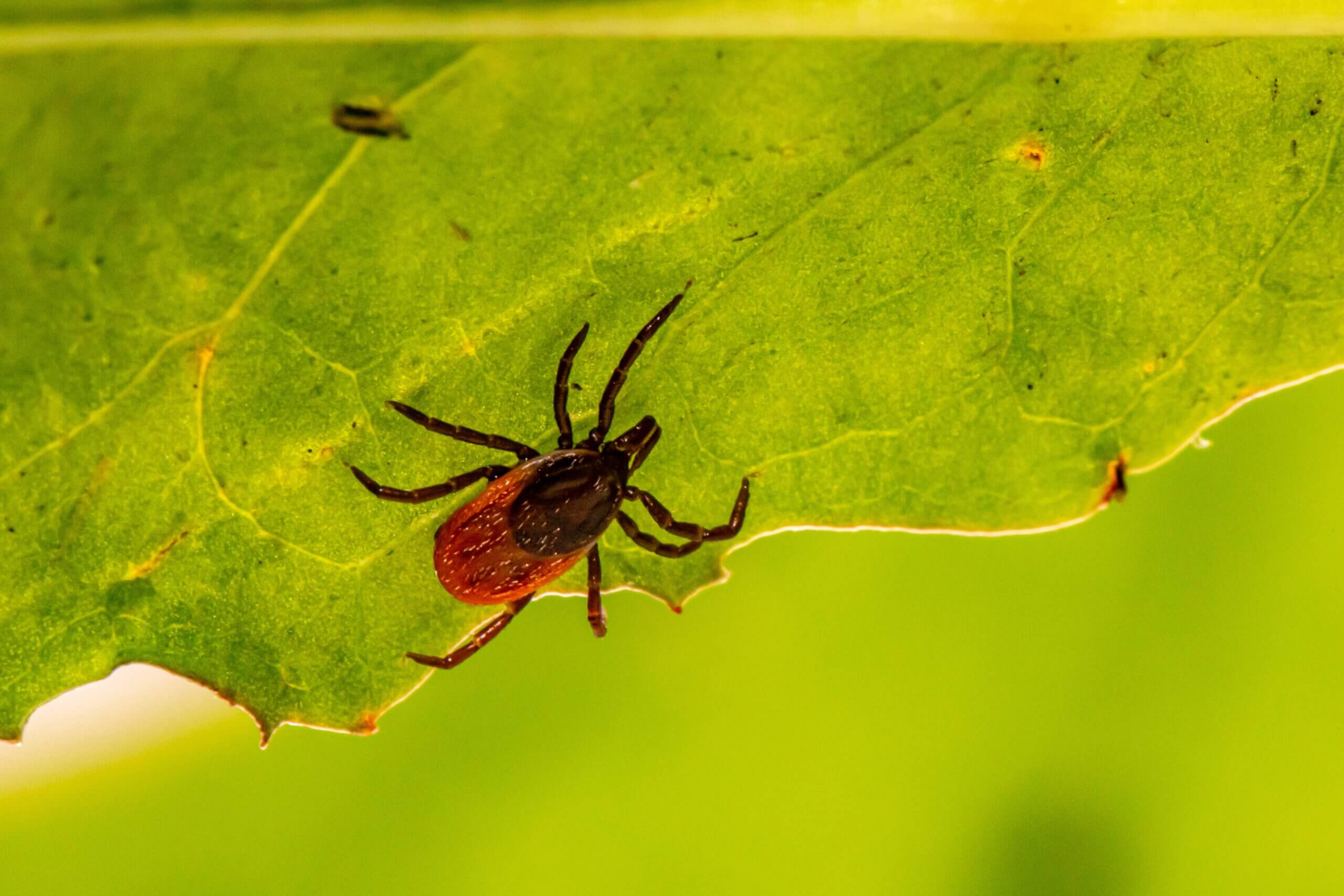
Fleas and ticks are more likely to remain around shaded grass, leaf litter, landscape borders, fence lines, pet routes, and areas visited by wildlife. These protected locations generally provide more suitable conditions than open turf exposed to direct sun.
Treatment focuses on the parts of the property where fleas and ticks are more likely to be found. Mowing regularly and removing accumulated leaves or debris can also reduce some hiding areas.
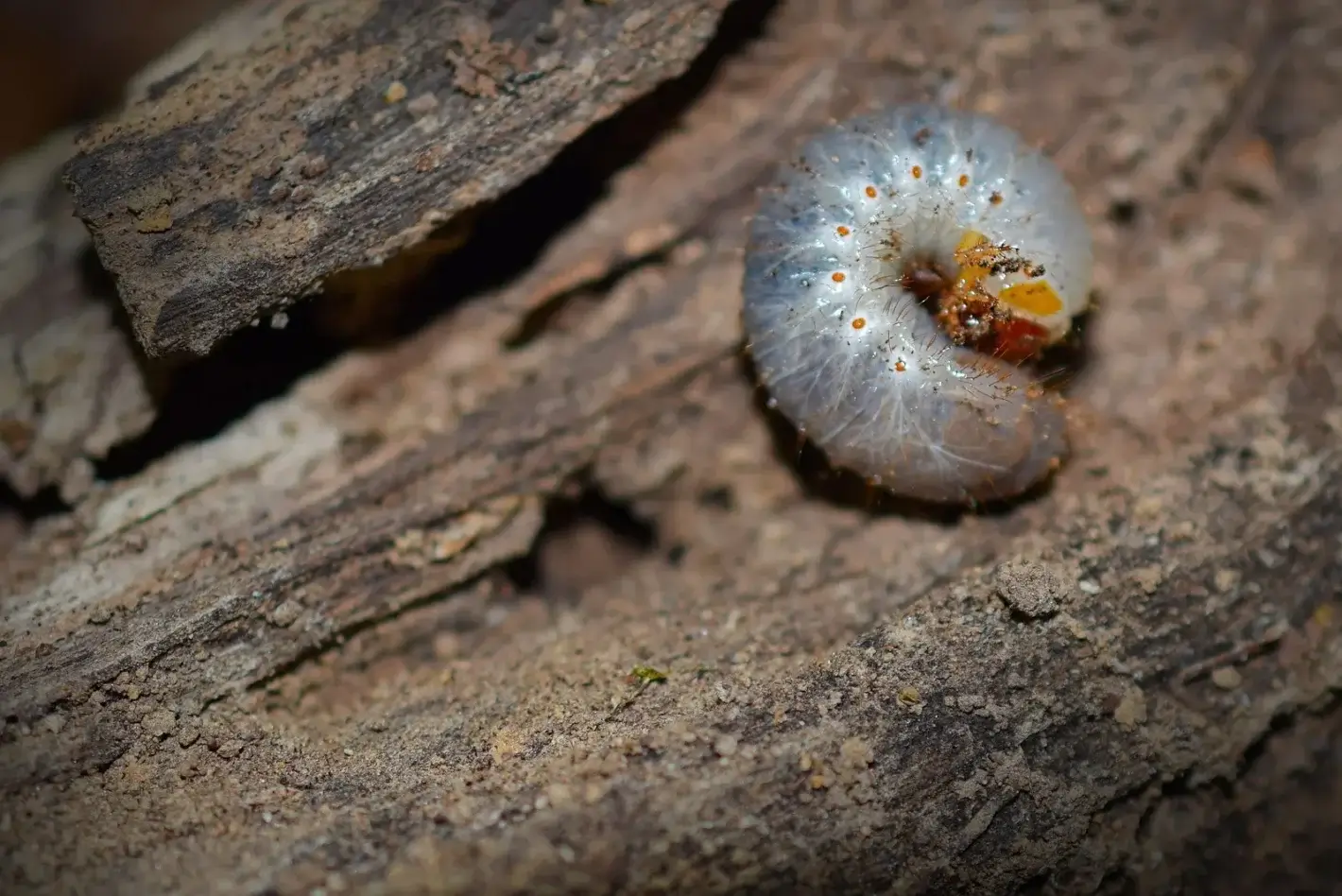
Grubs feed below the surface around turf roots. Grass with damaged roots may weaken, lose color, or pull away from the soil more easily as the problem develops.
Simply Green checks the affected grass and root zone before determining whether preventive or active grub treatment is appropriate. Additional lawn care may be needed where existing damage has reduced turf coverage.
Conditions Around Lawrenceville Lawns
Lawrenceville lawns can experience hot summers, regular rainfall, clay-heavy soil, slopes, mature trees, and mixed sun and shade. Open areas may dry faster during warm weather, while shaded sections can remain damp longer and grow at a different rate.
Compacted ground may also slow water movement into the soil, particularly in frequently used sections. Dense landscaping and collected water can create suitable conditions for mosquito activity. We consider what is happening around the property before recommending service.
Local Lawn & Pest Service
Simply Green is locally owned and operated and provides lawn care, mosquito control, and lawn pest services throughout Lawrenceville. We inspect the condition being addressed before recommending treatment and explain what each suggested service is intended to address.
Our plant health care specialists are Georgia Department of Agriculture certified and maintain Category 24 applicator licenses.
Simply Green also serves communities throughout Gwinnett County, including:
Lawrenceville Lawn & Pest Questions
Simply Green provides lawn care, mosquito control, and lawn pest services for Lawrenceville properties with weeds, thinning turf, compacted soil, moisture concerns, mosquitoes, fire ants, armyworms, fleas, ticks, grubs, and related lawn problems.
Tell us what you have noticed and where it is occurring. We will inspect the relevant areas, explain the recommended service options, and provide pricing before scheduling.