Common Georgia Turf Insects: Identification Guide

Metro Atlanta Turf Pest Guide

Common Turf Insects in Georgia

Brown patches, thinning turf, loose grass, and sudden lawn decline are not always caused by drought or disease. Several insects found in Georgia can feed on grass blades, stems, crowns, or roots, and different pests require different treatment strategies.

Use this guide to recognize common warning signs and learn when professional turf insect control may be needed

Look Above and Below the Soil

How Turf Insects Damage Georgia Lawns

Turf insects can be grouped by how they feed:

  • Leaf-feeding insects, such as armyworms, chew grass blades.
  • Root-feeding insects, including white grubs and billbug larvae, damage turf below the soil.
  • Sap-feeding insects, such as spittlebugs, remove fluids from grass and weaken growth.
  • Nuisance pests, including fire ants, create mounds and make lawns less comfortable to use.

Because insect damage can resemble drought, disease, or fertilizer injury, identifying the pest is an important first step.

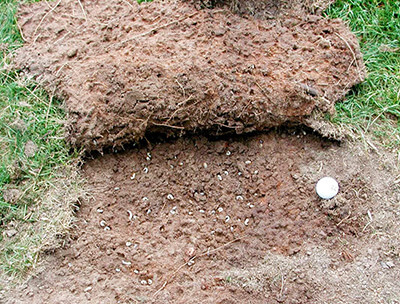
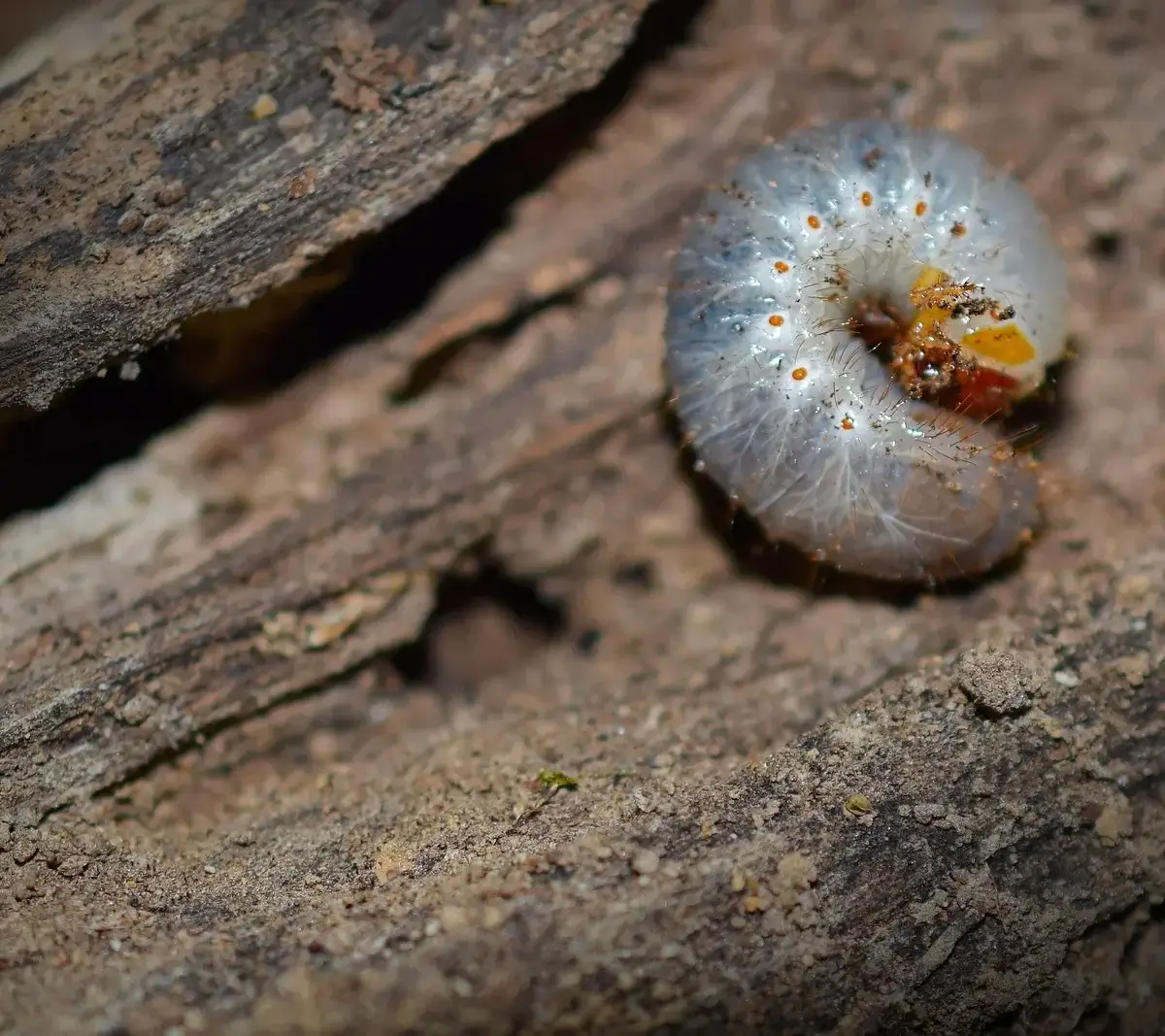
Grub Worms

Fast- Moving Foliage Damage

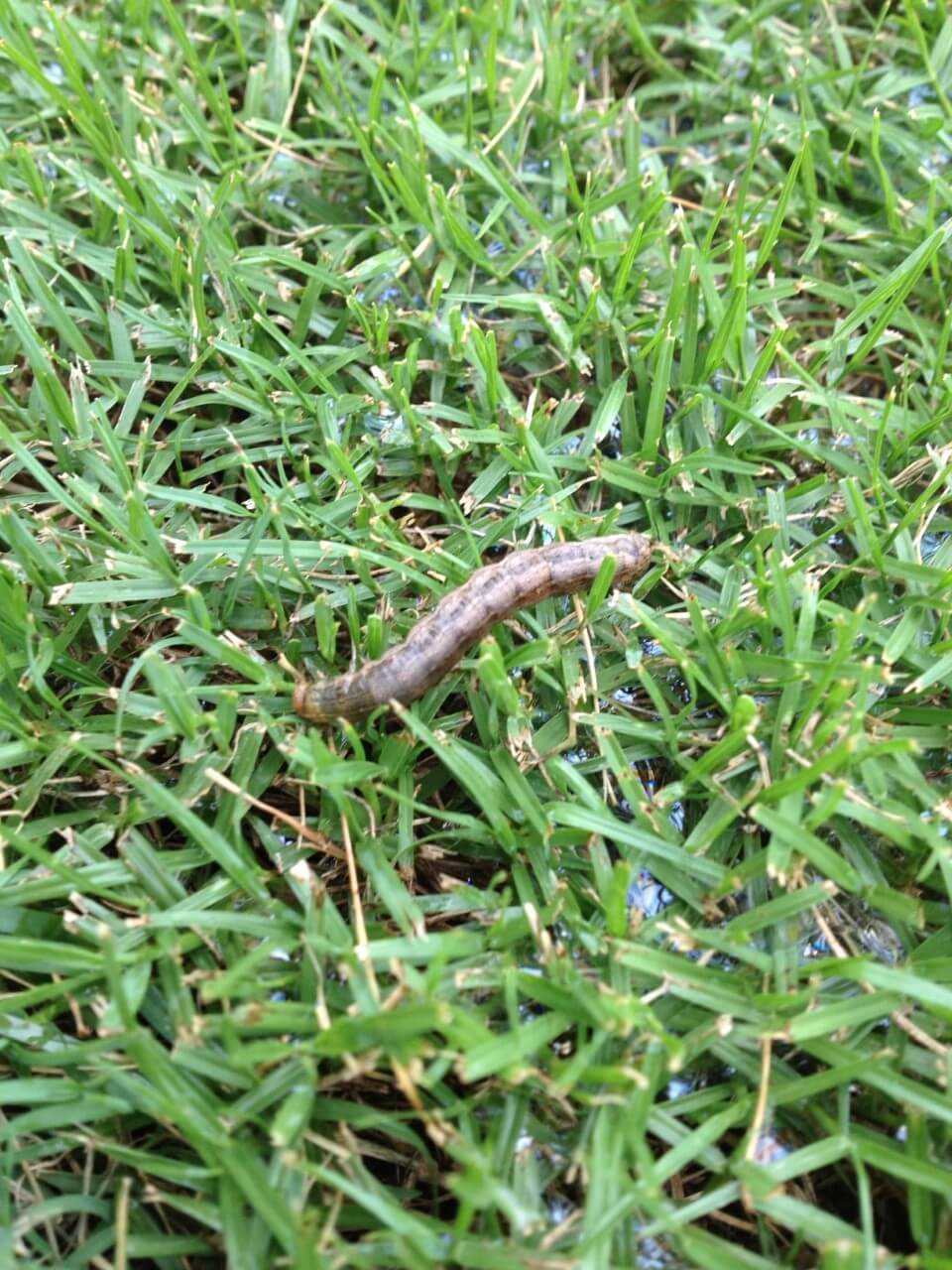
Armyworms

Armyworms are caterpillars that eventually develop into moths. They feed on grass blades and can move across a lawn quickly when populations are high. In North Georgia, damaging activity is commonly noticed during late summer or early fall, although timing varies.

Signs of armyworm activity:

  • Grass that appears cut, stripped, or closely grazed
  • Brown or thinning patches that expand quickly
  • Caterpillars hiding near the soil or thatch
  • Increased bird activity across the lawn
  • Small dark droppings near damaged turf

Armyworms are easier to manage while they are young. Once larger caterpillars begin feeding heavily, visible lawn damage can develop in a short period.

Learn More About Armyworm Control

Protect Frequently Used Outdoor Areas

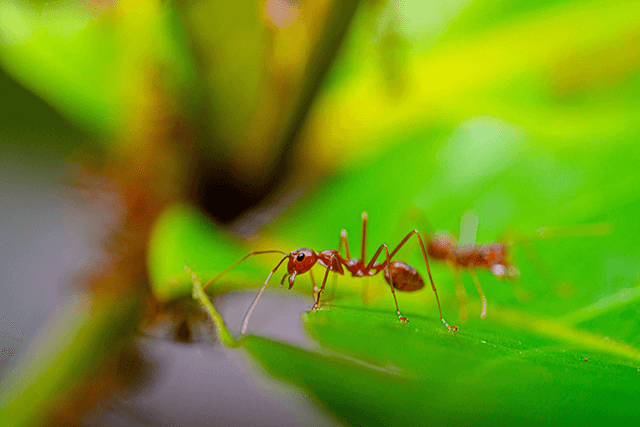
Fire Ants

Fire ants build visible soil mounds in lawns, around sidewalks, near landscape edges, and in other sunny areas. Disturbing a mound may cause worker ants to emerge rapidly and sting.

In addition to making outdoor areas uncomfortable for families, pets, visitors, or employees, large mounds can interfere with mowing and temporarily cover nearby grass.

Signs of fire ant activity:

  • Loose soil mounds without a clear center opening
  • Multiple mounds appearing after rainfall
  • Ant activity when the soil is disturbed
  • Mounds near walkways, play areas, or gathering spaces
  • Thin grass where established mounds have covered turf

Treating only the visible mound may not provide broader control across the property. The appropriate approach depends on the size of the area, colony activity, and treatment objective.

Explore Residential Fire Ant Control

Commercial property managers can also review our commercial fire ant control service.

Fire Ants

Damage Beneath the Surface

White Grubs

White grubs are the immature stage of several beetle species. They are typically cream- colored, C- shaped, and have a brown head with three pairs of legs near the front of the body.

Grubs live beneath the soil and feed on grass roots. As root damage increases, affected turf may struggle to absorb water and nutrients.

Signs of white grub damage:

  • Irregular areas of yellowing or thinning grass
  • Turf that wilts despite adequate moisture
  • Grass that lifts easily because roots are damaged
  • Birds or animals digging into the lawn
  • C-shaped larvae found beneath declining turf

The presence of one or two grubs does not always mean treatment is necessary. Identification, grub density, life stage, season, and visible lawn damage should all be considered.

Learn More About Grub Control

Stem, Crown, and Root Feeding

Billbugs

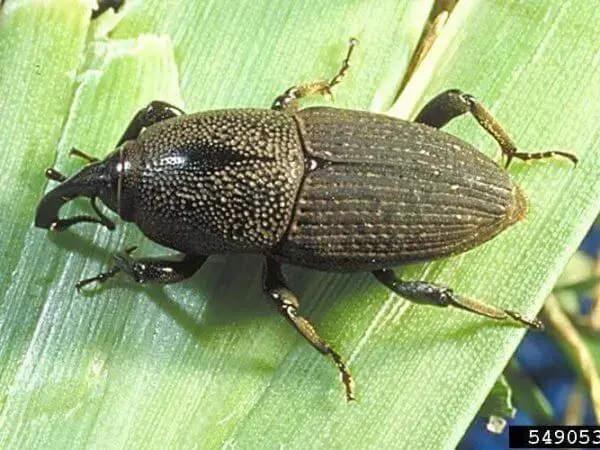
Adult billbugs are small weevils with an elongated snout. Their larvae are white, legless grubs that feed inside grass stems before moving toward the crown and roots.

Bermuda and Zoysia lawns can be affected. Heavy infestations may produce small areas of declining turf that grow into larger, irregular patches.

Signs of billbug activity:

  • Scattered yellow or brown patches
  • Grass stems that break or pull loose
  • Sawdust- like material inside damaged stems
  • White, legless larvae near crowns or roots
  • Firm soil beneath declining turf

Billbug damage can resemble lawn disease or white grub injury. Confirming the pest helps prevent an unnecessary or poorly timed treatment.

Request a Turf Insect Evaluation

Request a Turf Insect Evaluation

Watch for Foamy Masses in Turf

Spittlebugs

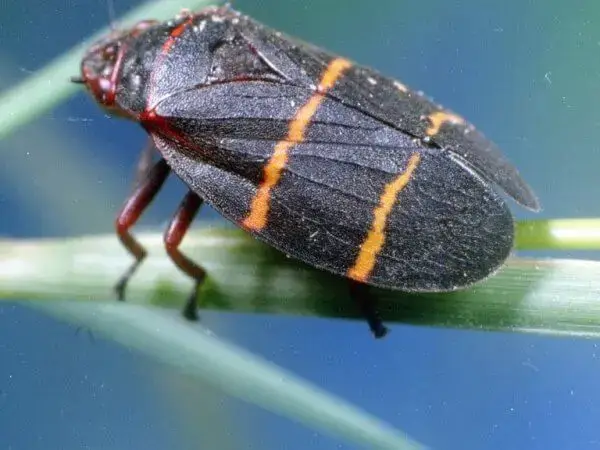
Spittlebug nymphs produce foamy masses around grass stems while feeding on plant fluids. High populations can weaken turf and contribute to yellowing, wilting, or reduced growth. Spittlebugs are often associated with moist, shaded turf and heavy thatch. Centipedegrass is particularly susceptible, although Bermuda and Zoysia may also be affected.

Signs of spittlebug activity

  • White, foamy masses near grass stems
  • Turf that feels unusually wet or “squishy”
  • Yellowing or wilting grass
  • Greater activity in shaded or thatchy areas
  • Small hopping adults disturbed by walking or mowing

Reducing excessive thatch and correcting persistently damp conditions can support a broader management plan. Severe activity may require targeted treatment.

Is It an Insect, Disease, or Lawn-Care Problem?

Several problems can produce brown or thinning grass. Before treating the lawn, consider how quickly the damage appeared, whether grass roots remain attached, and whether insects are visible.

A visual symptom is a useful starting point, but it is not always enough for a reliable diagnosis.

Armyworms

Rapidly stripped grass blades

White grubs or root damage

Turf that lifts easily

Billbugs

Small patches with firm soil

Spittlebugs

Foamy material around stems

Fire ants

Raised soil mounds

Disease, insects, or environmental stress

Circular or expanding patches

Drought, root damage, or saturated soil

Widespread wilting

Respond Before Damage Expands

What to Do When You Suspect Turf Insects

If you notice unusual lawn decline:

  • Inspect the edge between healthy and damaged grass.
  • Look near the soil surface, thatch, stems, and roots.
  • Note how quickly the affected area is expanding.
  • Check recent rainfall and irrigation before assuming drought.
  • Avoid applying an insecticide until the pest is identified.
  • Follow all product- label directions if performing DIY treatment.
  • Request professional help when damage is spreading quickly.

Healthy mowing, watering, and fertilization practices can help turf tolerate some pest pressure, but maintenance alone may not stop an active infestation.

Treatment Based on the Pest

Professional Turf Insect Control

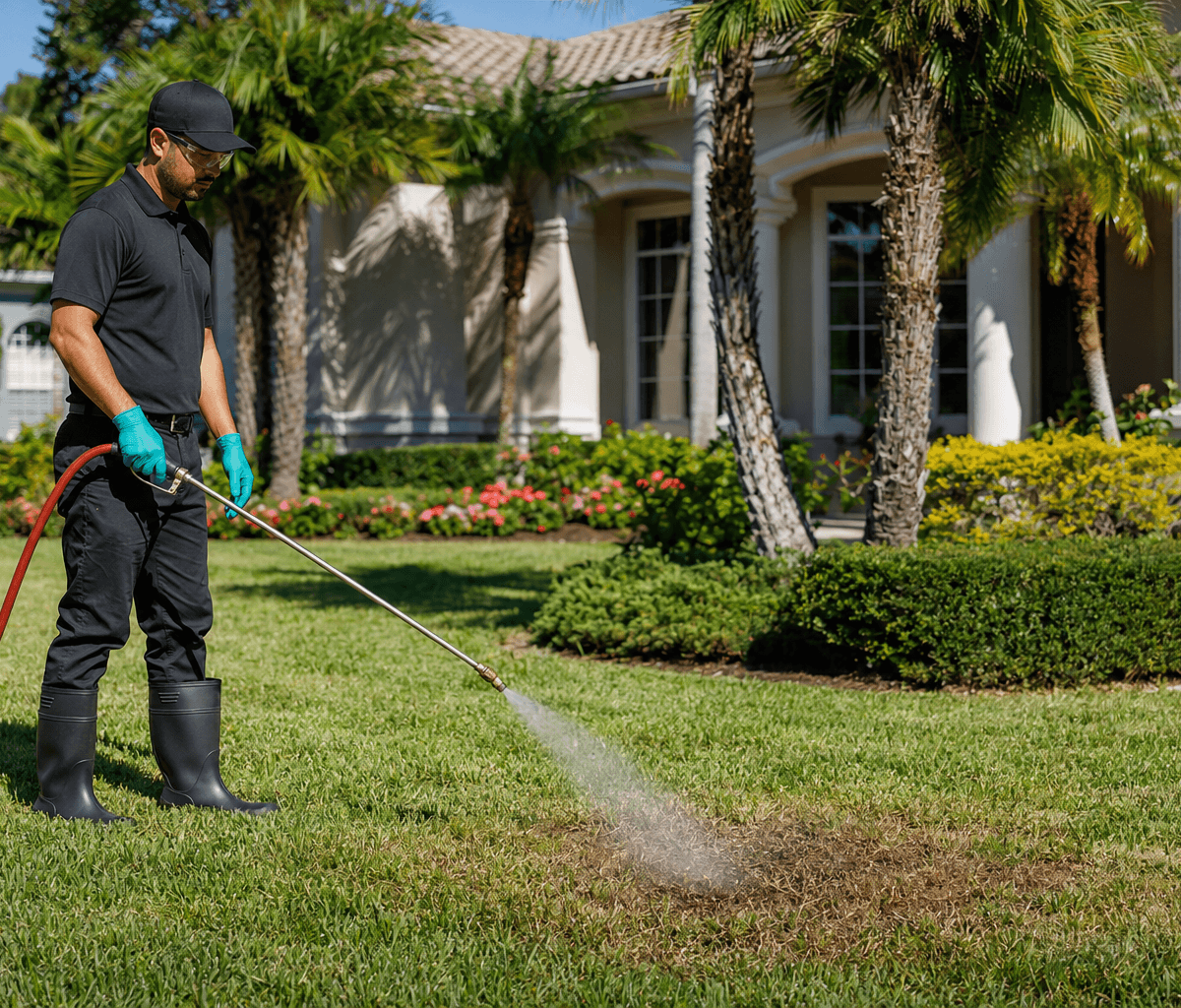
Simply Green Lawn Care treats armyworms, white grubs, billbugs, spittlebugs, and fire ants across our Georgia service area. We assess the visible damage, turf type, pest activity, and property conditions before recommending treatment.

Homeowners can explore our complete range of residential lawn care services. Property managers can review available commercial lawn and outdoor pest services.

Protect Your Lawn From Costly Insect Damage

Turf insects can be difficult to identify, and some can cause extensive damage before they are noticed. If your lawn is thinning, turning brown, lifting from the soil, or declining unusually quickly, schedule an evaluation with Simply Green Lawn Care.