Common Weed Control Mistakes

Smarter Weed Control Starts Here

Common Weed Control Mistakes Georgia Homeowners Should Avoid

Weeds are often a symptom of another lawn problem, not simply unwanted plants that need to be sprayed. Thin turf, compacted soil, improper mowing, excessive moisture, poor fertility, and missed treatment windows can all create opportunities for weeds to spread. This guide explains the most common weed control mistakes we see in Georgia lawns and what you can do differently to build thicker, more competitive turf.
Look Beyond the Surface

Successful Weed Control Requires More Than Spraying

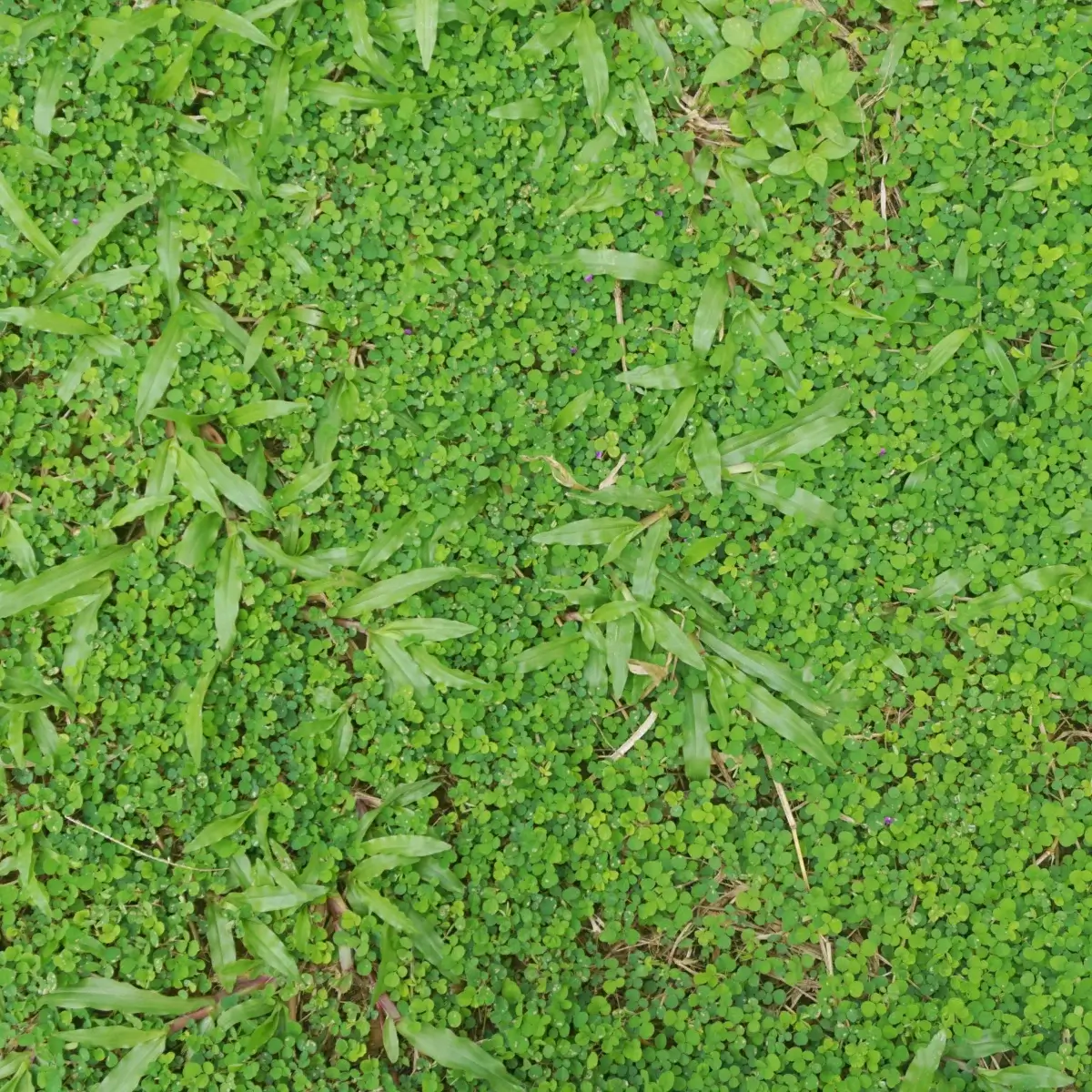
Applying weed control may address the plants you see today, but it does not always correct the conditions that allowed them to grow. For example, plantain often appears in compacted areas, while nutsedge and Virginia buttonweed can be associated with persistently wet soil. Crabgrass commonly establishes in thin or bare sections where sunlight reaches the soil.

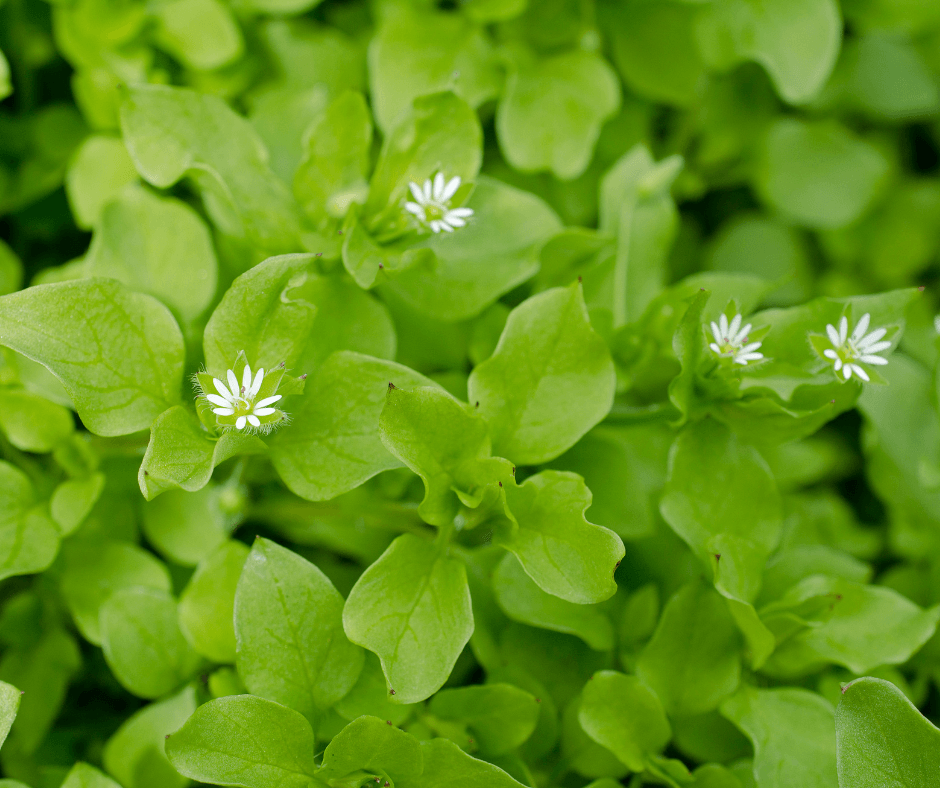
Identifying both the weed and the underlying lawn condition makes it easier to select an effective, long-term solution. Visit our Georgia weed identification guide if you need help recognizing what is growing in your yard.

Treat the Right Problem

Mistake 1: Applying a Product Before Identifying the Weed

Not every weed responds to the same treatment. Annual grassy weeds, perennial grasses, broadleaf weeds, and sedges may require different products, application timing, and follow-up plans. A product labeled for dandelions may do little for nutsedge. Likewise, treatments that are safe for one turfgrass species may injure another.


Before applying anything, identify:

The weed species

Your lawn’s grass type

Whether the weed is annual or perennial

Whether it is actively growing

Which products are labeled for both the weed and turf type

If you are uncertain, professional identification can prevent wasted applications and avoid unnecessary turf damage.

Mistake 2: Confusing Pre-Emergent and Post-Emergent Treatments

Pre-emergent and post-emergent weed controls perform different jobs.

A pre-emergent treatment creates a barrier that helps prevent certain weed seeds from developing successfully. It must be applied before those weeds emerge. Post-emergent products target weeds that are already growing.

If you can already see mature crabgrass, applying a standard pre-emergent will not remove it. Conversely, waiting until weeds appear means the opportunity to prevent that generation may have passed. Timing should be based on the target weed, soil temperature, current weather, turf condition, and product label, not simply a fixed calendar date.

Protect the Turf Canopy

Mistake 3: Mowing Too Short

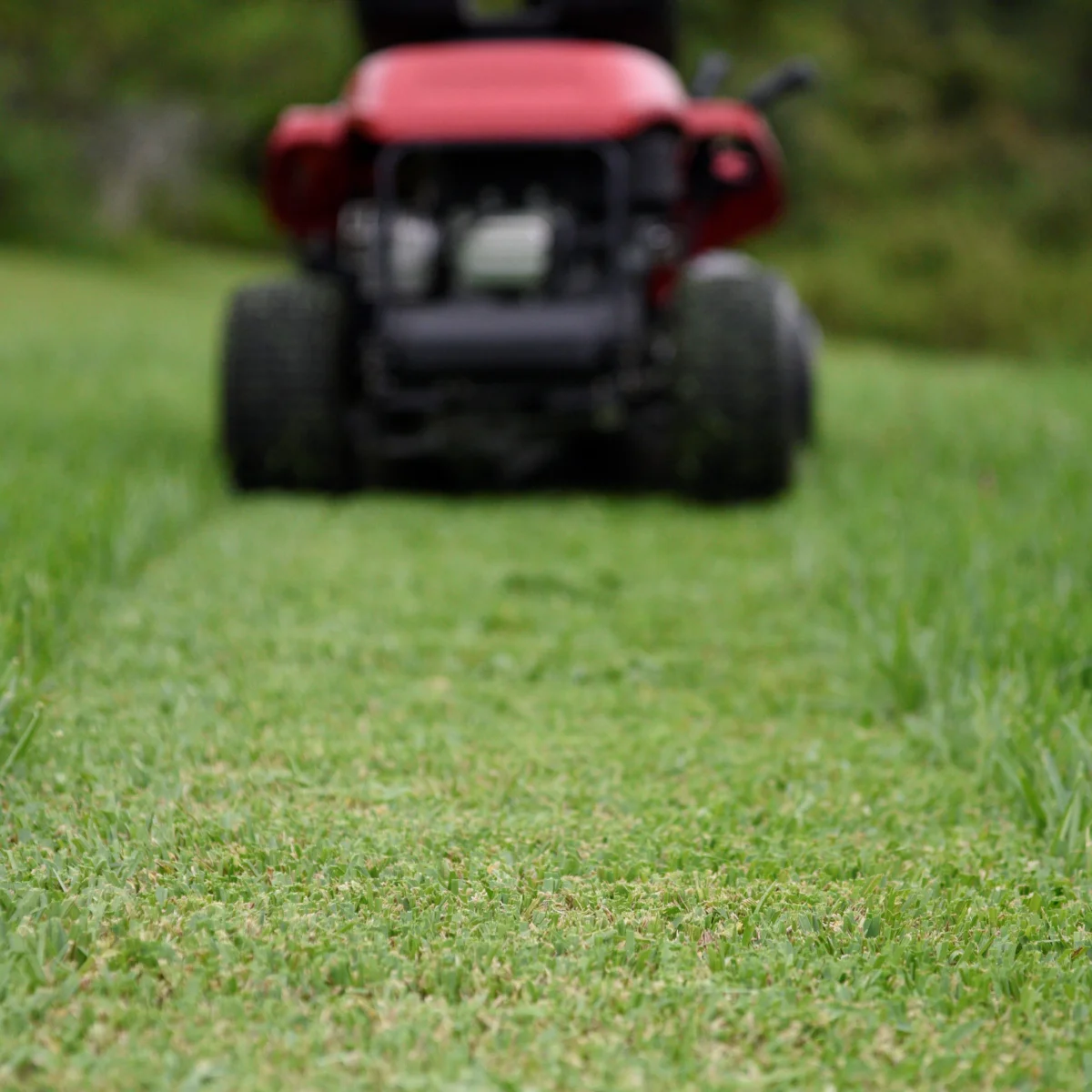
Scalping a lawn weakens the turf canopy and allows more sunlight to reach the soil, giving weed seedlings additional room to establish. The old advice to mow every lawn at three or four inches is also too broad. Recommended mowing height depends on the grass species. Bermuda and Zoysia lawns are generally maintained lower than Tall Fescue, although the exact height can vary by cultivar, equipment, season, and lawn conditions.

As a general practice:

  • Identify your grass type before setting the mower height.
  • Avoid removing more than one-third of the grass blade in one mowing.
  • Raise the mowing height slightly during periods of heat or drought.
  • Keep mower blades sharp to reduce torn, stressed leaf tissue.

Our Georgia lawn and landscape tips provide additional guidance for maintaining Bermuda, Zoysia, and Fescue lawns.

Mistake 4: Mowing on a Rigid Schedule

“Mow once a week” may be a useful reminder, but grass does not grow according to the calendar. Growth changes with rainfall, temperature, fertilization, season, and grass type.

Instead of mowing simply because seven days have passed, monitor the lawn’s height and follow the one-third rule. During active growth, that may require more frequent mowing. During dormancy or drought stress, mowing may be needed less often. Mowing can reduce seed production in some annual weeds, but it will not eliminate established perennial weeds that regrow from roots, bulbs, or underground stems.

Correct the Growing Conditions

Mistake 5: Watering Too Frequently

Frequent, shallow irrigation keeps the soil surface damp and may encourage shallow turf roots, weed germination, and disease activity. Overwatering can be particularly helpful to moisture-loving weeds. Georgia lawns generally perform better when irrigation is adjusted according to rainfall, soil moisture, grass type, and current weather.

Water deeply enough to reach the root zone, then allow the soil surface to begin drying before watering again. Check for leaking sprinkler heads, poorly aimed irrigation, drainage problems, and low areas that remain wet after the rest of the lawn has dried. Recently seeded or installed turf has different moisture requirements, so establishment instructions should take priority.

Mistake 6: Fertilizing Without Understanding the Lawn

Fertilizer can help healthy turf grow dense enough to compete with weeds, but more fertilizer is not always better. Too much nitrogen can produce excessive growth, increase mowing demands, worsen certain turf problems, and sometimes benefit the weeds you are trying to control. Too little nutrition may leave the grass thin and unable to compete.

Fertilizer decisions should consider:

Grass species

Soil-test results

Soil pH

Current turf condition

Season and growth cycle

Previous fertilizer applications

Bermuda and Zoysia have different seasonal needs from Tall Fescue. A treatment schedule should match the lawn rather than applying the same fertilizer program to every property.

Give Grass the Advantage

Mistake 7: Ignoring Compaction and Bare Areas

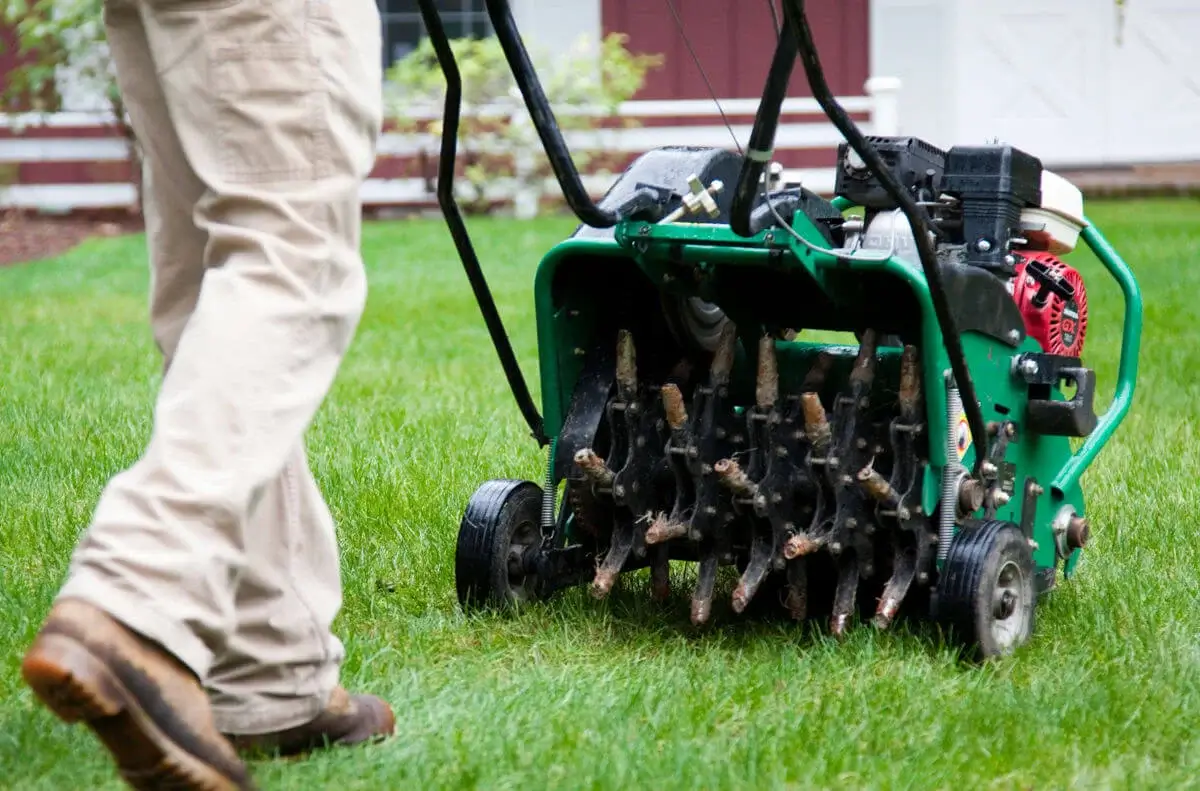
Compacted soil restricts the movement of air, water, and nutrients through the root zone. It can weaken turf and create conditions where weeds such as plantain and goosegrass gain an advantage. Aeration may help address soil compaction, but it should be performed at an appropriate time for the grass type and coordinated with any seeding or pre-emergent plans.

Bare areas also deserve attention. Before adding seed or sod, determine why the grass disappeared. Possible causes include:

  • Insufficient sunlight
  • Compacted or poorly drained soil
  • Insect or disease damage
  • Heavy foot traffic
  • Improper irrigation
  • An unsuitable grass type

Repeatedly treating weeds without correcting these conditions usually produces temporary results.

Mistake 8: Expecting One Application to Solve Everything

Some young annual weeds respond well to a properly selected treatment. Established perennial weeds can be much more persistent because they may reproduce through roots, bulbs, rhizomes, or other underground structures. Dallisgrass, wild onion, nutsedge, Virginia buttonweed, and similar problem weeds may require targeted products, repeat applications, and improvements to the surrounding turf.

Weed control should be viewed as an ongoing lawn management process, not a one-time spray.

Apply Carefully

Mistake 9: Ignoring the Product Label

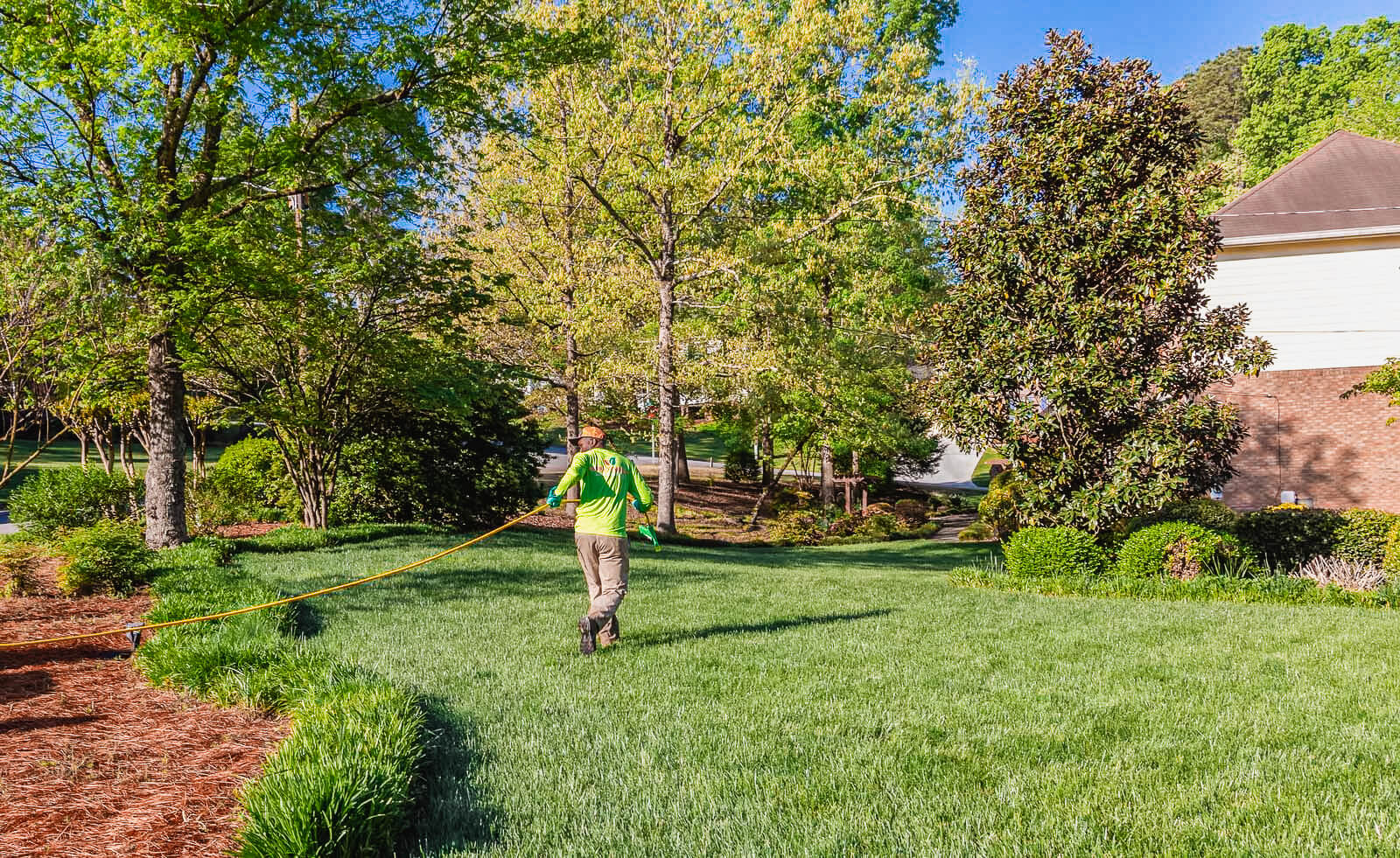
An herbicide label explains where and how the product can legally be used. It also identifies compatible turf species, application rates, temperature restrictions, watering directions, reseeding intervals, and safety precautions.

Common application errors include:

Estimating the treatment area incorrectly

Applying more product than the label permits

Spraying during excessive heat or wind

Using a product on an incompatible grass type

Allowing spray to drift onto ornamental plants

Applying before heavy rain

Overseeding too soon after a pre-emergent treatment

More product does not mean better control. It can mean damaged turf, wasted money, or unnecessary risk to nearby plants.

Mistake 10: Treating Weeds Without Strengthening the Lawn

The most reliable defense against recurring weeds is a healthy, properly maintained lawn. Weed treatments are more effective when combined with appropriate mowing, irrigation, fertilization, soil management, and pest monitoring. A comprehensive program addresses the weeds that are present while helping the turf occupy the space those weeds would otherwise use.

When Should You Call a Lawn Care Professional?

Professional assistance may be worthwhile when:

  • You cannot identify the weed or grass species.
  • Weeds return after repeated DIY applications.
  • A large portion of the lawn is affected.
  • The turf is thinning, discolored, or developing bare areas.
  • You are coordinating pre-emergent treatments with seeding.
  • The lawn has drainage, compaction, insect, or disease concerns.
  • You want a seasonal weed control and fertilization plan.

Simply Green Lawn Care offers residential weed control and fertilization for homeowners and commercial weed control and fertilization for managed properties across Metro Atlanta and surrounding Georgia communities.

Help Your Lawn Grow Thicker and Give Weeds Less Room

If weeds continue returning despite regular mowing and treatment, the problem may require more than another store-bought product. Simply Green Lawn Care can evaluate your grass type, weed pressure, seasonal timing, and overall turf condition to recommend an appropriate treatment plan.