Lawn Cooling Benefits: How a Healthy Lawn Can Reduce Home Energy Costs
 March 28, 2025
4 min read
March 28, 2025
4 min read
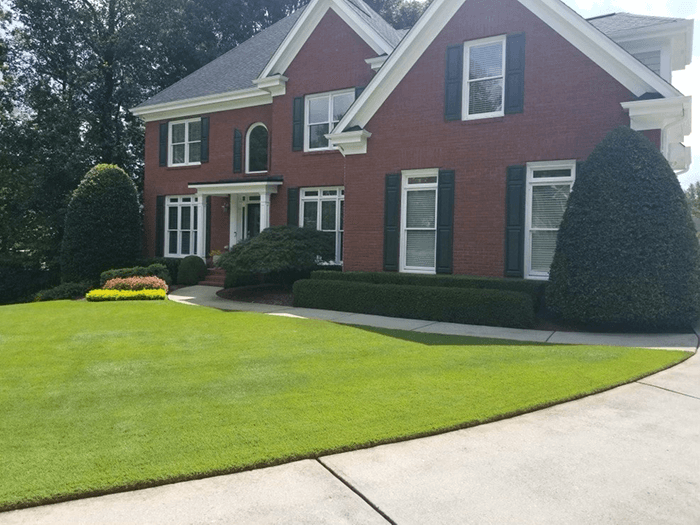
When homeowners think about professional lawn care, they often focus on aesthetics—the lush green grass, the neatly trimmed edges, and blooming bushes.
However, a well-maintained lawn offers more than just curb appeal. One of the most unexpected benefits of professional lawn care is its role in energy savings, particularly in reducing home cooling costs.
Surprisingly, there is a connection between a healthy lawn, energy-efficient landscaping, and lower energy bills. Following is a breakdown of how improving the health of your Georgia lawn can save you money long-term.
The Cooling Power of Grass
A healthy lawn acts as a natural air conditioner for your home. Grass absorbs sunlight and reduces heat radiation through evaporation, keeping the surrounding air cooler compared to paved surfaces. Studies show that lawns can be up to 30 degrees Fahrenheit cooler than asphalt and 14 degrees cooler than bare soil. This temperature difference can make a significant impact on your home’s cooling costs, especially during the hot summer months.
When your lawn is professionally maintained, the grass remains dense, healthy, and well-hydrated. This ensures optimal cooling effects, helping to lower the ground temperature around your home. In turn, this reduces the heat load on your house, allowing your air conditioning system to work more efficiently and consume less energy.
Reducing the Urban Heat Island Effect
Urban areas with limited green space tend to suffer from the Urban Heat Island (UHI) effect, where buildings and pavement absorb and retain heat, significantly increasing temperatures. Homeowners in suburban and urban areas can mitigate this effect by investing in professional lawn care. A thick, vibrant lawn helps offset the warming effects of surrounding hardscapes, providing a cooler microclimate around your home.
By reducing the UHI effect in your yard, you decrease the overall demand for air conditioning. This results in lower electricity bills and reduces strain on the power grid, benefiting both homeowners and the environment. Energy-efficient landscaping strategies, such as using ground cover plants, installing shade trees, and optimizing irrigation, can maximize these benefits.
Improved Airflow and Shade Benefits
A well-maintained lawn often includes strategically placed trees, shrubs, and other landscaping features that contribute to natural cooling. Trees provide shade that blocks direct sunlight from hitting your home, keeping indoor temperatures lower. When combined with healthy grass, which releases moisture into the air through transpiration, the overall cooling effect is amplified. Implementing energy-efficient landscaping techniques, such as selecting the right grass type and maintaining proper soil health, can further enhance cooling benefits.
Professional lawn care workers can help you design a lawn that maximizes these benefits. Proper tree placement, for example, can reduce air conditioning costs by up to 25%, making professional lawn care a smart investment for energy-conscious homeowners. Incorporating energy-efficient landscaping elements, such as windbreaks and native plants, optimizes your outdoor space for energy savings.
Moisture Retention and Evaporative Cooling
Healthy lawns retain moisture, which contributes to evaporative cooling. As water evaporates from the grass blades, it cools the surrounding air, creating a more comfortable outdoor environment. This effect can be especially beneficial in Georgia’s hot, humid climate where cooling costs tend to be high.
This level of efficiency requires proper irrigation and soil management. Overwatering or underwatering can diminish the lawn’s cooling potential. Professional lawn care services ensure optimal watering schedules, aeration, and soil treatments to enhance moisture retention and cooling benefits. Integrating energy-efficient landscaping techniques, such as drip irrigation and mulch application, improves water conservation and cooling effects.
Enjoy Long-Term Financial Benefits
The energy savings associated with a healthy lawn can add up over time. Lower cooling costs mean reduced electricity bills, and less strain on your HVAC system. A well-maintained lawn enhances property value and curb appeal, making it a worthwhile investment for homeowners looking to increase their home’s marketability.
By adopting energy-efficient landscaping techniques, homeowners can maximize these savings while also creating a sustainable and eco-friendly outdoor space. Choosing the right plants, optimizing irrigation, and strategically placing shade elements all contribute to a more energy-efficient home.
Simply Green Can Help!
By investing in professional lawn care services and implementing energy-efficient landscaping techniques, homeowners can enjoy a beautiful yard and tangible energy savings.
So, the next time you consider lawn maintenance, remember that a greener lawn isn’t just about looks—it’s about a cooler, more energy-efficient home.
Contact Simply Green Lawn Care Plus today for consultation on how to improve the health of your lawn and implement energy-saving elements to your landscape.