Hydretain Water Saver in Atlanta, GA | Simply Green

Residential Water Support

Hydretain Water Saver Treatment in Atlanta, GA

Some parts of your lawn may dry out long before the rest. Grass near a driveway can lose color while a shaded section stays damp. A slope may shed water, or one sprinkler zone may provide less coverage than another.

Simply Green provides Hydretain Water Saver treatment in Atlanta to keep more usable moisture close to the roots. It works with rainfall and regular irrigation, helping the lawn make better use of the water it already receives. Hydretain does not replace watering, but it may reduce watering needs by up to 50 percent when the yard, weather, and irrigation conditions are suitable.
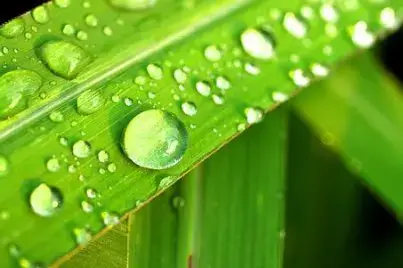
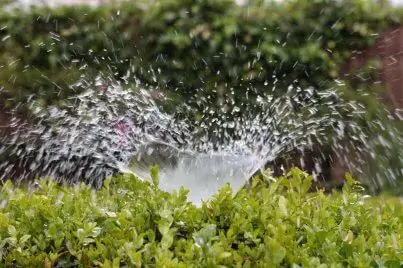
More Moisture for Roots

Give Your Lawn More Time to Use Available Water

Atlanta weather can move from heavy rain to several hot, dry days in the same week. The water in open, sunny areas disappears faster, especially around driveways, sidewalks, patios, and other surfaces that hold heat. Increasing the irrigation schedule for the entire yard may leave one section soaked while another still looks dry.

Hydretain helps keep available moisture near the roots for longer. The lawn still needs rain or irrigation, and watering must reach the soil in the first place. The treatment simply helps the grass get more value from the moisture that is already there.

Your Six-Step Service

How Hydretain Treatment Works?

Find the Areas That Dry First

We begin with the sections that wilt, lose color, or feel dry before the rest of the lawn. Sunny slopes, lawn edges, turf near pavement, and spots between irrigation heads often show the first signs.

The pattern matters. A single dry patch may come from a blocked sprinkler or damaged grass. Several areas drying out between watering cycles may indicate a broader moisture problem.

Look at the Lawn Conditions

Grass type, sunlight, slope, soil, and root depth all affect water use. Bermuda and Zoysia are active during Atlanta’s warmer months, while fescue follows a cooler growing cycle and often struggles in summer.

Atlanta clay can hold moisture once water enters the soil, but a hard surface may cause runoff. Hydretain helps manage moisture around the roots. It does not physically open heavily compacted ground, so liquid aeration or core aeration may be more useful when compaction is the main concern.

Check Irrigation Coverage

A sprinkler system can run on schedule without evenly covering every section. A clogged nozzle, poor spray pattern, low pressure, or blocked head may leave part of the lawn dry.

Simply Green does not repair irrigation systems, but visible coverage problems are worth identifying before treatment. Hydretain cannot hold water in an area that receives little to no water.

Apply Hydretain to Suitable Areas

Hydretain is sprayed across the lawn areas included in the service. Even application helps the treatment reach the soil around the grass roots rather than remaining limited to a single visible dry spot.

Once it has been watered in, Hydretain collects small amounts of moisture in the soil and keeps that moisture available near the roots. There is no need to turn the service into a chemistry lesson. Its job is straightforward: help your lawn use available water more efficiently.

Water the Treatment Into the Soil

Hydretain needs water to move from the grass surface into the root zone. The instructions provided after service will explain when to water the lawn.

Recent rain, soil moisture, irrigation coverage, and the treated area can all affect the directions. Follow the instructions for your lawn rather than waiting automatically for the next storm.

Adjust Watering Carefully

Once the treatment has moved into the soil, watch the lawn before changing the irrigation schedule. A sunny slope may still need water sooner than grass beneath mature trees.

If the lawn continues to hold color and shows fewer signs of stress, watering intervals may be gradually adjusted. Cutting every irrigation zone at once can leave naturally dry sections short of water.

Water the Lawn, Then Follow What the Grass Shows You

Complete the initial watering according to the service instructions. This step moves Hydretain into the soil where it can work around the roots. Make sure sprinkler heads are operating and that the treated sections receive coverage.

Keep people and pets away until the treatment has been watered in and the stated re-entry period has passed. After that, normal use can resume.

Over the next several days, check the areas that usually dry first. Grass near concrete, open slopes, and sunny lawn edges provides a useful picture of how well moisture is holding. There is no need to dig into the soil every day. Changes in color, wilt, and how quickly footprints disappear can tell you plenty.

Avoid adding extra water simply because the surface looks dry. Moisture may still be present lower in the root zone. At the same time, Hydretain is not a reason to ignore grass that is clearly wilting. Watering should follow the lawn, rainfall, and current temperature.

The University of Georgia Cooperative Extension recommends deep, less frequent watering for established lawns rather than light watering every day. Early morning is generally the better time because less water is lost to heat and wind. New sod and seed need a different schedule while their roots develop.

Useful Moisture, Not More

What Hydretain Adds to Your Watering Routine?

Hydretain does not add water to the yard. It helps make moisture already in the soil easier for roots to use.

That difference is important. If a sprinkler misses the area, the treatment cannot replace the water it missed. If the ground is heavily compacted and water runs across the surface, the soil problem still needs attention. If the lawn is brown due to insects or disease, holding more moisture near the roots will not address the cause.

Hydretain is most useful when the lawn receives water but loses usable moisture too quickly. The service can support:

  • Sunny grass that dries between irrigation cycles
  • Turf beside driveways, sidewalks, and patios
  • Sloped sections where water moves away quickly
  • New sod developing its root system
  • Newly seeded areas that need steady moisture
  • Lawns facing a hot, dry stretch in Atlanta

The goal is not to keep the ground wet all the time. Constantly saturated soil can create a different set of lawn problems. Hydretain supports more efficient use of moisture while the watering schedule continues to reflect actual conditions.

Look for a Clear Pattern

When Hydretain May Fit Your Lawn?

One dry afternoon does not mean your yard needs another service. Repeated patterns are more useful.

These conditions are a starting point, not a diagnosis. Simply Green checks the lawn before recommending Hydretain because dry-looking grass can have several causes.

The Same Areas Keep Drying Out

Grass loses color in the same sunny section after every gap between rain. Watering helps for a short time, but the area fades sooner than the rest of the lawn.

Pavement Is Heating Nearby Turf

Driveways, sidewalks, patios, and stone borders collect heat during the day. Grass growing beside them may need moisture sooner than turf farther away.

Water Leaves Before It Soaks In

A slope may send irrigation downhill, especially when the soil surface is hard. Hydretain can help retain moisture once it enters the soil, but significant compaction may still require aeration.

New Grass Needs Consistent Moisture

Fresh sod and grass seed have shallow or developing roots. Hydretain can help manage moisture during establishment, but regular watering remains essential.

Irrigation Zones Dry at Different Rates

One part of the lawn looks healthy, while another loses color under similar weather conditions. Coverage, sunlight, soil, and slope should be considered before increasing the entire watering schedule.

Different Grass, Different Needs

Match Watering to Your Atlanta Grass

Bermuda and Zoysia are warm-season grasses. They become active as Atlanta temperatures rise, then go dormant during colder weather. Their watering needs change with growth, rainfall, and heat.

Fescue stays green through much of the cooler season but can struggle during Atlanta summers. A fescue lawn in full sun may need closer attention than one receiving light afternoon shade. Deep shade presents another issue because even well-watered fescue can thin when it lacks enough light.

Tree roots also affect the lawn. Grass beneath a mature tree may avoid direct heat but compete with the tree for available moisture. The same irrigation zone can contain exposed turf, shaded grass, and root competition, each of which responds differently.

Hydretain supports these grasses, but it does not make their needs identical. Simply Green considers the grass and its location before deciding where to apply the treatment.

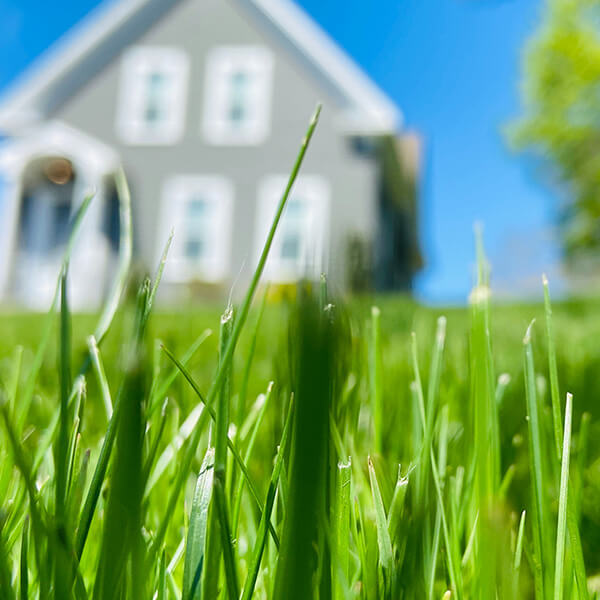
Lawn in front of house

Practical Watering Benefits

What Homeowners Can Expect From Hydretain

The biggest benefit is more efficient use of available moisture.

Hydretain works alongside mowing, irrigation, fertilizer, soil care, and other basic lawn needs. It does not take their place.

That can lead to several practical changes in the yard:

Dry sections may hold moisture longer.

Grass has more time to use water before the root zone dries again.

The lawn may handle short dry periods better.

More available moisture can reduce stress between rainfall or scheduled irrigation.

Watering needs may decrease.

Under suitable conditions, Hydretain may reduce outdoor watering by up to 50 percent. Actual results vary from one yard to another.

New sod or seed receives added moisture support.

Developing roots still need careful and consistent watering.

One dry patch is less likely to dictate the whole schedule.

You can follow individual lawn conditions instead of overwatering every zone.

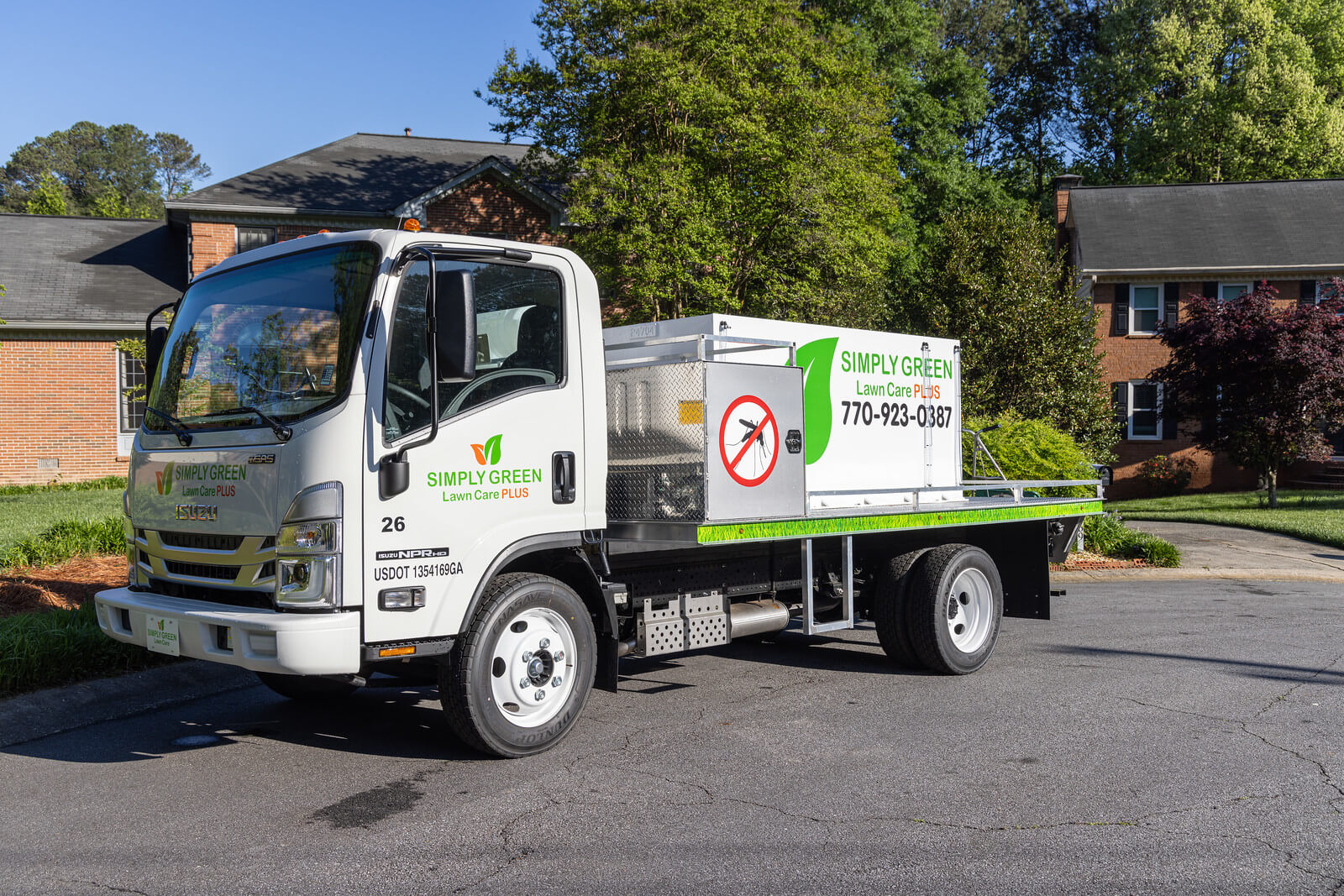
Photo of a Simply Green Lawn Care service truck

Why Choose Simply Green?

Hydretain is useful only when moisture availability is part of the problem. Simply Green looks at the lawn first, explains where the treatment can help, and points out when something else needs attention.

  • We Start With the Dry Pattern

    The same brown patch can result from a clogged sprinkler, compacted soil, insect feeding, disease, shallow roots, or insufficient water. We look at where the problem appears, how quickly it returns, and what is happening around it before suggesting Hydretain.

  • You Receive Clear Watering Instructions

    The treatment must reach the soil, so aftercare is not left vague. You will know when to water it, when the lawn can be used again, and what changes to watch for over the next several days. If another company manages your irrigation, those directions can be passed along without translation.

  • We Keep the Limits Clear

    Hydretain helps the lawn use available moisture. It will not repair an irrigation system, move standing water, loosen severely compacted soil, or treat insects and disease. If another service is a better fit, we explain why instead of adding Hydretain to a lawn that does not need it.

    Simply Green works with Bermuda, Zoysia, and fescue lawns across Metro Atlanta. Local heat, clay-heavy soil, mature trees, summer storms, and dry stretches are part of how we review the yard and recommend the next step.

More Help for Your Lawn

Related Care for Dry or Thin Grass

Moisture may be only one factor affecting the lawn. Simply Green offers related residential services when another need is found.

A lawn does not improve by stacking unrelated treatments. The service should match the reason the grass is struggling.

Liquid aeration

Liquid aeration supports movement of water and air through compacted lawn soil without removing plugs.

Core aeration

Core aeration removes small soil plugs to create physical openings in compacted ground.

Weed control and fertilization

Weed control and fertilization provides scheduled nutrition and weed management for Bermuda, Zoysia, and fescue.

Fescue aeration and seeding

Fescue aeration and seeding renews suitable thin fescue lawns during Atlanta’s fall growing period.

Armyworm and grub control

Armyworm and grub control addresses insects when brown or thinning grass is caused by active feeding.

Common Watering Questions

Frequently Asked Questions

Add Hydretain to Your Atlanta Lawn Care Plan

If the same sections dry before the rest of your yard, adding more water everywhere may not be the answer. Simply Green will assess the grass, irrigation coverage, slope, sunlight, and soil to determine whether Hydretain is the right solution.

Request an estimate and get a clear recommendation for the lawn. If Hydretain is suitable, we will apply the treatment and explain exactly how to water it in and manage irrigation afterward.