
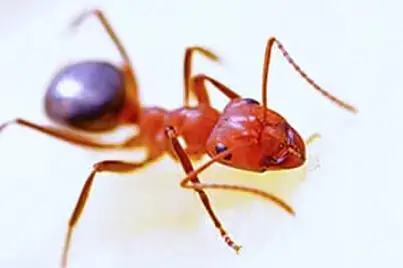
 If you own a home with a yard in Atlanta, chances are you’ve encountered one of the area’s most frustrating pests: fire ants. These ants (and the unsightly anthills they seem to build overnight) are not just annoying, they’re also dangerous. Wondering how to get rid of fire ants? Learn what works (and what doesn’t) from the professionals at Simply Green Lawn Care.
Why Destroy Fire Ants?
Fire ants are a particularly aggressive species of ant that will swarm once disturbed. That means that if you accidentally disturb a nest, you may end up with dozens or even hundreds of bites in a short amount of time. While their painful stings aren’t life-threatening for most adults, about 5% of the population is severely allergic to fire ants, and people have died from anaphylactic shock after being stung. The risk is especially high for young children due to their smaller size, as well as small animals like cats and dogs.
In addition to threatening our human and non-human family members, fire ants are extremely damaging to livestock and native wildlife, especially ground-nesting birds. As an invasive species, fire ants even harm our native (far less dangerous and destructive) ant species by competing with them for resources.
How to Get Rid of Fire Ants
So, now that you know why fire ants have got to go, how do you actually get rid of them? That’s where we come in. Our Atlanta lawn care company offers fire ant control that can give you your yard back! Read on to learn what works and what doesn’t when it comes to killing fire ants.
The Dont’s
First, let’s get what not to do out of the way. While there’s a time and place for folk remedies, we suggest that you don’t waste your time with these:
- Grits
- Boiling water
- Orange peels
- Diatomaceous earth
- Club soda
- Gasoline
The problem with most of these is that while they may kill some ants on the surface of the nest, they are not going to harm the queen. As long as the queen and some of her workers survive, they will just move away from the annoyances you’ve presented and rebuild.
The Do’s
Unfortunately there really aren’t any natural or non-toxic remedies for fire ants. They’re tough and aggressive, so eradicating them requires an aggressive approach. That’s why we recommend the following:
- Use a granular insecticide. Our fire ant control service (which you can book as-needed or include in one of our annual lawn care plans) uses TopChoice, a granular insecticide only available to lawn and pest control professionals.
- Keep the pressure on. Fire ants are resilient, and eradicating them from your yard requires ongoing treatment. If you treat your yard for fire ants and don’t keep up a regular schedule, they can actually come back worse than before. Our fire ant treatment kills existing colonies and prevents the establishment of new colonies for up to a year.
- Be safe. Many of the insecticides used to treat fire ant infestations are dangerous, and proper application is required. We use TopChoice because it has a high safety profile and is selectively toxic to insects. When applied properly by a trained technician, you can rest easy that your family and pets can safely enjoy your yard again.